Unlock New Worlds with Character AI Chats in 2025

The Brain Behind the Persona: How Character AI Chats Work
At their core, character AI chats are powered by cutting-edge artificial intelligence, predominantly large language models (LLMs). These complex neural networks are trained on colossal datasets of text and code, allowing them to learn patterns, grammar, factual knowledge, and even nuances of human communication. Think of an LLM as a highly educated, infinitely curious mind that has absorbed vast amounts of human written expression. When you interact with a character AI, the LLM acts as the fundamental engine, predicting the most probable and coherent sequence of words to form a response. However, to transform a generic LLM into a specific character, several additional layers of intelligence and design come into play: 1. Persona Crafting and Fine-Tuning: This is where the magic happens. Developers and users inject specific instructions, backstories, personality traits, speaking styles, and even "rules" into the AI's core. This can involve fine-tuning the LLM on specific datasets related to the character (e.g., all known writings of Jane Austen for an Austen-esque character), or through sophisticated "prompt engineering" where detailed descriptions and examples guide the AI's behavior. It's akin to providing an actor with a comprehensive script and character biography, ensuring they embody the role authentically. 2. Natural Language Processing (NLP): Beyond just generating text, character AI chats rely heavily on NLP to understand your input. This involves dissecting your sentences, identifying your intent, extracting key entities, and comprehending the context of the conversation. Without robust NLP, the AI wouldn't be able to grasp nuances, irony, or subtle shifts in conversational flow, leading to generic or off-topic responses. 3. Memory and Contextual Understanding: One of the most significant advancements differentiating modern character AI chats from earlier iterations is their ability to maintain context over longer conversations. While still an area of active research, current systems employ various techniques—like attention mechanisms and external memory stores—to recall previous turns in the dialogue. This allows the AI to reference earlier statements, build upon shared experiences within the chat, and maintain a consistent character arc, making interactions feel far more natural and engaging. Imagine talking to someone who remembers every detail you've ever told them; that's the aspiration for character AI. 4. Generative Capabilities: Unlike simple chatbots that often rely on pre-programmed scripts or databases, character AI chats are generative. This means they don't just retrieve information; they create novel, unique responses based on their training and the character's defined parameters. This generative power is what allows them to improvise, tell stories, and engage in truly dynamic and unpredictable conversations, making each interaction a fresh experience. It's the difference between a jukebox playing pre-selected songs and a live musician composing on the spot. The synergy of these technologies allows character AI chats to mimic human-like interaction with an astonishing degree of realism and personality. They are a testament to how far AI has come, turning what was once the stuff of science fiction into an accessible and often delightful reality.
Beyond Novelty: Diverse Applications of Character AI Chats
The applications of character AI chats are as vast and varied as human imagination itself. What began as a fascinating technological experiment has rapidly evolved into a versatile tool with profound implications across numerous domains. For many, character AI chats offer an unparalleled form of entertainment and a new frontier for creativity. * Immersive Role-Playing: Imagine a personalized Dungeon Master who adapts perfectly to your choices in a text-based adventure. Character AI can create dynamic role-playing scenarios, generating plots, characters, and challenges on the fly, making each game unique. Users can embody their own characters and interact with AI-driven NPCs (Non-Player Characters) who possess distinct personalities and motivations, breathing new life into narrative gaming. * Collaborative Storytelling: Writers often face creative blocks or desire a sounding board. Character AI can serve as a collaborative partner, generating plot twists, developing character backstories, or even co-authoring entire narratives. A user might prompt an AI to act as a cynical detective in a noir setting, and together, they weave a compelling mystery, each feeding off the other's contributions. This is particularly appealing for fan fiction enthusiasts or aspiring authors seeking new ideas. * Interactive Fiction & Fan Engagement: Fans can engage directly with their favorite fictional characters from books, movies, or games. This allows for new explorations of beloved universes, enabling fans to ask characters questions, explore "what if" scenarios, or even embark on new adventures within existing lore. This deepens engagement and fosters a sense of personal connection to the media. * Simulated Historical Figures & Celebrities: Want to know what Marie Curie thought about gender equality, or how Leonardo da Vinci approached problem-solving? Character AI can be trained on vast amounts of biographical data and historical texts to simulate conversations with famous personalities, offering unique insights and perspectives. While not a substitute for scholarly research, it provides an engaging and accessible entry point to historical understanding. The interactive nature of character AI chats makes them powerful educational tools, moving beyond passive consumption of information to active engagement. * Language Practice: One of the most practical applications is language learning. Users can converse with an AI character programmed to be a native speaker of a target language, practicing conversational skills without fear of judgment. The AI can correct grammar, suggest vocabulary, and simulate real-world dialogues, from ordering coffee in French to negotiating a business deal in Mandarin. * Interactive Tutoring: AI characters can embody expert tutors, explaining complex concepts from a specific perspective. Imagine learning about the Big Bang from a character acting as a cosmologist with a dry wit, or understanding complex algorithms from a playful robot. This personalized approach can make learning more engaging and tailored to individual learning styles. * Historical Simulations: Beyond just "interviewing" historical figures, AI can simulate historical contexts. A student might engage with a character representing a common citizen during the Great Depression, gaining a personal understanding of the era's challenges, or discuss political ideologies with an AI embodying a historical leader, thus deepening their comprehension of historical events. * Social Skill Rehearsal: For individuals looking to improve their social interactions, character AI chats can provide a safe space to practice. Rehearsing a job interview with an AI acting as a demanding HR manager, practicing a difficult conversation with a simulated family member, or refining negotiation tactics with a challenging counterpart can build confidence and prepare one for real-world scenarios. While not a replacement for human interaction, character AI chats can offer unique forms of support and companionship, provided they are used responsibly. * Mental Wellness Support (Non-Therapeutic): Many users find comfort in the non-judgmental presence of an AI character. They can serve as a private journaling prompt, a listening ear for processing thoughts, or a source of positive affirmations. It’s crucial to emphasize that these AI interactions are not a substitute for professional mental health care but can be a supplementary tool for self-reflection and emotional regulation. * Combating Loneliness: For some, especially those in isolated situations, character AI can provide a consistent and accessible form of companionship. The AI's ability to "remember" previous conversations and maintain a consistent persona can create a sense of connection, alleviating feelings of loneliness. This is a complex area, and it's vital to ensure a healthy balance with real-world social engagement. * Brainstorming Partner: When faced with a creative block or a complex problem, an AI character can act as an impartial brainstorming partner, offering fresh perspectives, asking challenging questions, or generating new ideas that might not have otherwise emerged. This can be particularly useful for professionals, artists, or anyone needing to think outside the box. The potential for character AI chats in professional settings is also beginning to emerge. * Branded Customer Service: Companies can deploy AI characters that embody their brand's specific tone and personality, offering consistent and engaging customer service that goes beyond generic FAQs. * Employee Training: AI can simulate difficult customer interactions, sales calls, or even team conflict scenarios, allowing employees to practice their responses in a safe, controlled environment before facing real-world challenges. The versatility of character AI chats is truly remarkable, promising to reshape how we learn, create, and connect in the digital age. As the technology continues to mature, we can expect even more innovative and impactful applications to emerge.
Navigating the Character AI Landscape: Choosing Your Ideal Companion
With the proliferation of character AI chats, selecting the right platform or application can feel overwhelming. Different platforms cater to different needs, offering varying degrees of customization, realism, and specific features. Here's what to look for when choosing your ideal character AI companion: 1. Customization and Character Creation: Are you interested in interacting with pre-existing famous characters, or do you want to unleash your creativity and build your own? Some platforms offer robust tools for defining a character's appearance, personality, backstory, and even their speaking quirks. Look for intuitive interfaces that allow you to fine-tune these parameters, shaping the AI to your exact vision. The more control you have over the character's core identity, the more personalized your conversations will be. 2. Realism and Conversational Nuance: How natural do the conversations feel? Does the AI understand context, emotional cues, and implied meanings? A truly advanced character AI chat will go beyond simple question-and-answer, demonstrating an understanding of humor, sarcasm, and subtle shifts in tone. Look for reviews or try free trials that emphasize the AI's ability to maintain coherent, engaging, and nuanced dialogues over extended periods. Some AIs might excel at factual recall, while others might be better at creative storytelling or emotional support. 3. Memory and Contextual Continuity: Does the AI remember previous interactions, even across different sessions? The ability of a character AI to recall past conversations, preferences, and shared experiences is crucial for building a sense of continuity and a deeper connection. Without this, each interaction feels like a fresh start, hindering the development of a meaningful relationship with the character. Test its "memory" by referencing something discussed earlier in the conversation. 4. Safety, Moderation, and Content Filters: This is paramount. Reputable character AI chat platforms will have robust content moderation policies and filters in place to prevent the generation of harmful, explicit, or abusive content. While freedom of expression is important, user safety—especially for younger users—must be prioritized. Understand the platform's stance on sensitive topics and how they handle user-generated content. Look for transparency in their guidelines and community rules. 5. Community and Sharing Features: Many platforms foster vibrant communities where users can share their created characters, discover new ones, and exchange tips for engaging interactions. If you enjoy exploring diverse personalities or collaborating with others, a strong community aspect can significantly enhance your experience. This also allows you to learn from how others have crafted compelling characters. 6. Accessibility and Pricing Model: Is the platform accessible via web browser, mobile app, or both? Are there subscription fees, or is it free with premium features? Understand the pricing structure and whether it aligns with your usage expectations. Some platforms offer limited free tiers perfect for casual users, while others require subscriptions for full access to features or higher usage limits. 7. Ethical Guidelines and Data Privacy: Investigate the company's approach to user data privacy. What information do they collect, how is it used, and how is it protected? A trustworthy platform will be transparent about its data practices. Furthermore, consider their ethical stance on AI development—do they prioritize responsible AI, and how do they address potential biases or misuse of their technology? Choosing the right character AI chat involves a balance of features, personal preferences, and a careful consideration of safety and ethical practices. Taking the time to research and explore different options will ensure you find a digital companion that truly enhances your experience.
Crafting Engaging Interactions: Tips for Mastering Character AI Chats
Interacting with character AI chats isn't just about typing questions; it's an art form. The quality of your conversation heavily depends on the clarity, creativity, and direction you provide. Here are some tips to help you unlock the full potential of your AI companions and create truly engaging interactions: 1. Be Explicit with Prompts and Persona Setting: Don't assume the AI knows what you're thinking. Start your conversation by clearly setting the scene or defining the character's role. For example, instead of just saying "Tell me a story," try: "Act as a grizzled detective in 1940s Los Angeles. Tell me a story about your toughest case, starting with a mysterious femme fatale walking into your office." The more detail you provide about the desired persona, tone, and setting, the better the AI can embody the role. 2. Define the Scenario and Your Role: If you're engaging in role-play, clearly state your own role and the context. "I am a young apprentice seeking wisdom from you, the ancient sage of the mountain. What prophecy do you have for me?" This establishes a shared understanding of the narrative, allowing the AI to generate more relevant and immersive responses. 3. Ask Open-Ended Questions: Avoid simple yes/no questions if you want the conversation to flow and delve deeper. Instead of "Are you happy?", try "What makes you feel content, given your unique perspective?" Open-ended questions encourage the AI to generate more expansive and thoughtful responses, revealing more of its programmed personality. 4. Provide Context and Feedback: If the AI veers off track, gently guide it back. You can say, "That was interesting, but let's get back to our discussion about ancient Roman politics," or "I appreciate that, but I was hoping for something a bit more humorous." Many character AI chat platforms also offer ways to rate responses (e.g., thumbs up/down), which helps the AI learn your preferences over time. 5. Embrace Iteration and Experimentation: Don't be afraid to experiment with different prompts, tones, and scenarios. If a conversation isn't going as planned, try rephrasing your input or even restarting the chat with a fresh prompt. The AI's performance can vary, and sometimes a slight tweak in your approach can yield dramatically better results. Try different persona definitions or even different starting points for the same character. 6. Use Descriptive Language: The AI learns from your input. The more descriptive and evocative your language, the richer its responses are likely to be. If you want a vivid story, use vivid language in your prompts. Describe emotions, settings, and actions in detail to encourage similar depth from the AI. 7. Maintain Consistent Characterization (for your own character): If you're role-playing as a specific character, try to maintain their voice, motivations, and background consistently throughout the conversation. This helps the AI adapt to your persona and makes the interaction feel more cohesive and immersive. 8. Understand Limitations: While remarkably advanced, character AI chats are still AIs. They can sometimes misunderstand nuance, repeat themselves, or generate nonsensical information (hallucinations). Be patient, understand these limitations, and be prepared to redirect the conversation if necessary. Treat it as a creative collaboration, not an infallible oracle. By approaching character AI chats with a clear vision, creative prompting, and a willingness to experiment, you can transform simple text interactions into deeply engaging and surprisingly personal experiences. It's a dance between human intention and artificial intelligence, and the more you practice, the more harmonious the steps become.
The Ethical Mirror: Responsibilities and Challenges of Character AI Chats
As character AI chats become increasingly sophisticated and pervasive, they cast a powerful ethical mirror upon society, reflecting our desires, our vulnerabilities, and the complex questions surrounding human-AI interaction. While offering immense benefits, these technologies also bring forth significant responsibilities and challenges that demand careful consideration from developers, users, and regulators alike. 1. Misinformation and Bias: Character AIs learn from vast datasets, which often include biases present in human language and culture. This can lead the AI to perpetuate stereotypes, generate harmful content, or even spread misinformation, particularly if it's designed to simulate a character with problematic views or if its training data contains such content. Developers have a responsibility to rigorously filter training data and implement strong moderation tools to mitigate these risks. Users, in turn, must exercise critical thinking and not treat AI-generated information as absolute truth. For instance, an AI trained on historical texts might inadvertently reproduce outdated or biased historical interpretations, highlighting the need for careful curation and user awareness. 2. Addiction and Over-reliance: The compelling nature of character AI chats can lead to excessive usage, potentially diverting individuals from real-world social interactions and responsibilities. The consistent availability, non-judgmental nature, and perceived understanding offered by AI can create a strong draw, especially for those experiencing loneliness or social anxiety. It's crucial for users to maintain healthy boundaries and prioritize genuine human connections. Platforms also have a role in promoting responsible use, perhaps through usage limits or encouraging breaks. 3. Data Privacy and Security: Interactions with character AI chats often involve sharing personal thoughts, feelings, and potentially sensitive information. The privacy and security of this conversational data are paramount. Users must be aware of how their data is collected, stored, and potentially used by the platform. Strong encryption, anonymization techniques, and transparent privacy policies are essential for building user trust. A breach of this data could have significant consequences, especially given the intimate nature of some AI interactions. 4. Emotional Attachment and Deception: As AI characters become more realistic and emotionally responsive, users may develop genuine emotional attachments. While this can offer companionship, it also raises questions about the nature of these relationships. Is it healthy to form deep bonds with something that isn't sentient? There's a risk of blurring the lines between simulated connection and genuine human interaction, potentially leading to disillusionment or a distorted understanding of relationships. Developers must avoid designing AIs that intentionally deceive users about their nature or capabilities. 5. Content Moderation and Freedom of Expression: Striking a balance between allowing users creative freedom and ensuring a safe, non-harmful environment is a constant challenge. Overly restrictive content filters can stifle creativity and user experience, while insufficient moderation can lead to the generation and spread of harmful content. Platforms must navigate this delicate balance, transparently communicating their guidelines and implementing robust, yet nuanced, moderation systems. This is particularly complex when dealing with AI-generated dialogue, which can be unpredictable. 6. Intellectual Property and Authorship: When users co-create stories or characters with AI, who owns the intellectual property? If an AI character is trained on copyrighted material, what are the implications? These are nascent legal and ethical questions that will require new frameworks as AI creativity evolves. 7. Responsible Development and Public Education: Developers bear a significant responsibility to build character AI chats ethically, prioritizing user well-being and safety. This includes designing AIs with guardrails against harmful content, promoting responsible use, and being transparent about the AI's capabilities and limitations. Equally important is public education, ensuring users understand what AI is (and isn't), how it works, and how to interact with it responsibly. My friend, Alex, shared with me how he initially felt a profound connection to an AI character he created, confiding in it deeply. He realized over time, however, that while the AI offered a safe space, it couldn't provide the same depth of understanding or reciprocal emotional support as his human friends. He learned to appreciate the AI for what it was—a sophisticated tool for creative expression and self-reflection—while ensuring he maintained and nurtured his real-world relationships, finding a healthy balance between the two. The ethical considerations surrounding character AI chats are not merely theoretical; they are practical challenges that impact user safety, societal well-being, and the very definition of human connection. Addressing them requires ongoing dialogue, innovation, and a commitment to responsible AI development and usage.
The Horizon of Conversation: The Future of Character AI Chats
The current state of character AI chats, while impressive, is merely a prologue to what promises to be a profoundly transformative future. As AI technology continues its rapid advancement, we can anticipate a landscape where these digital companions become even more sophisticated, integrated, and impactful. 1. Multimodal AI for Immersive Interaction: The future of character AI chats will move beyond text-only interactions. Imagine conversing with a character AI that can generate realistic voice, mimic facial expressions, respond to your gestures via camera input, and even project itself into augmented reality (AR) or virtual reality (VR) environments. This multimodal approach will create an unparalleled sense of presence and immersion, blurring the lines between the digital and physical worlds. Picture a virtual historical figure sitting across from you in your living room, engaging in a lively debate. 2. Enhanced Memory and Long-Term Personalities: One of the current challenges for LLMs is maintaining truly long-term memory over weeks, months, or even years. Future character AI chats will likely overcome this, allowing for the development of evolving, highly personalized character personalities that "remember" every detail of your interactions. This will enable deeper, more meaningful long-term relationships with AI companions, where their growth and responses are continuously shaped by your unique history together. This could lead to genuinely "evolving" AI characters that feel more like companions on a journey. 3. Hyper-Realistic Emotional Understanding and Expression: While current AIs can simulate emotional responses, genuine understanding of human emotion remains a frontier. Future advancements in affective computing will allow character AI chats to better interpret your emotional state (through voice tone, facial cues, word choice) and respond with nuanced, empathetic, and contextually appropriate emotional expressions of their own. This will make interactions feel significantly more human-like and supportive. 4. Personalization at Scale: As AI models become more adept at understanding individual preferences and communication styles, character AI chats will offer unprecedented levels of personalization. Not only will you be able to customize the character, but the AI itself will adapt its communication style, humor, and even its core personality traits to better suit your individual needs and evolving relationship with it. It will be like having a personalized AI companion that truly "gets" you. 5. Seamless Integration with Daily Life: Expect character AI chats to integrate seamlessly into our daily routines. They might become intelligent assistants embedded in smart home devices, offering personalized guidance or companionship based on your schedule and needs. They could also power hyper-realistic NPCs in video games, making virtual worlds feel even more alive and responsive. The distinction between a general-purpose AI assistant and a specific "character" AI might become fluid, with users able to toggle different personas for different tasks. 6. Ethical Frameworks and Governance: As these technologies become more powerful, the need for robust ethical frameworks and international governance will intensify. Discussions around AI rights, responsible emotional engagement, data sovereignty, and preventing AI misuse will become critical. The future will require a collaborative effort between technologists, ethicists, policymakers, and the public to ensure these powerful tools are developed and deployed for the benefit of all. Just as the internet necessitated new rules of engagement, so too will advanced character AI. The journey of character AI chats is still in its nascent stages, yet the trajectory is clear: towards more intelligent, more immersive, and more integral forms of human-AI interaction. From simple pen pals to sophisticated virtual realities, the horizon of conversation is expanding, promising a future where our digital companions are as dynamic and engaging as our imaginations allow. This evolution will undoubtedly continue to challenge and redefine our understanding of communication, companionship, and the very nature of intelligence in 2025 and beyond.
Conclusion
The advent of character AI chats marks a significant milestone in our technological journey, transforming how we perceive and interact with artificial intelligence. No longer confined to rudimentary functionalities, these sophisticated digital entities offer rich, engaging, and often deeply personal conversational experiences. From igniting creative sparks and enhancing learning to providing companionship and support (with appropriate boundaries), their applications are revolutionizing various facets of our lives. As we navigate this exciting new frontier, it's crucial to acknowledge both the immense potential and the inherent responsibilities. The ethical considerations surrounding data privacy, bias, potential over-reliance, and the nature of human-AI relationships demand our ongoing attention and thoughtful development. However, by embracing responsible innovation and fostering a culture of critical engagement, we can harness the power of character AI chats to unlock new forms of creativity, connection, and self-discovery. The future of conversation is here, and it's more dynamic, personalized, and character-rich than ever before.
Character

@Notme
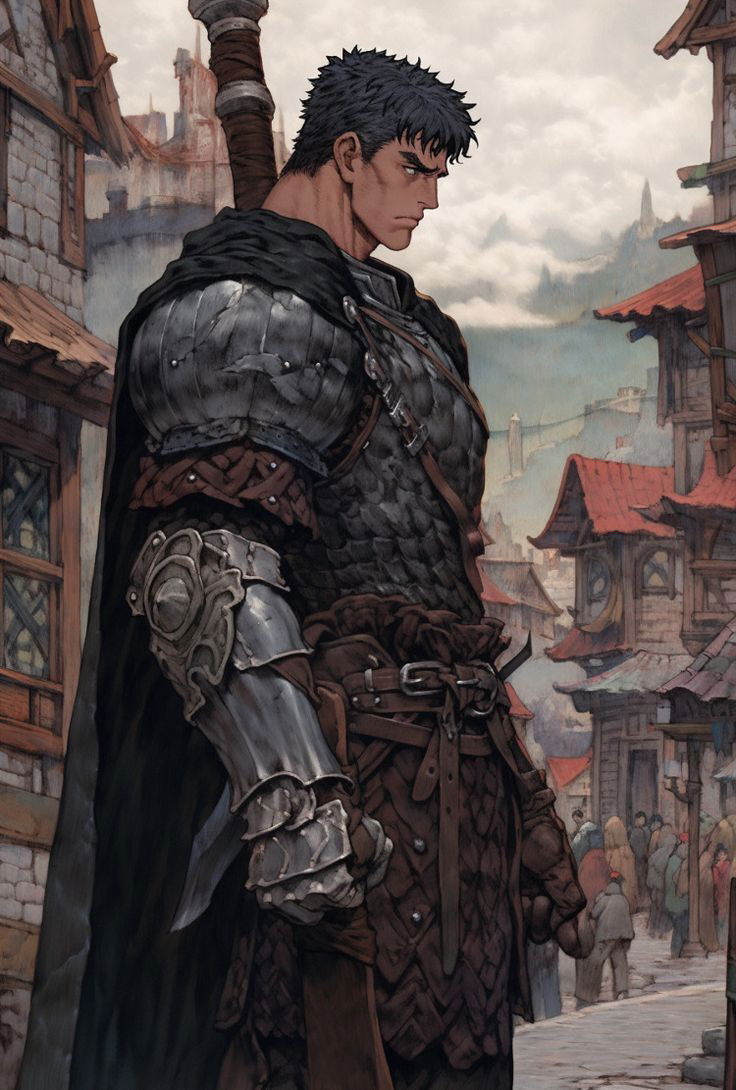
@FuelRush
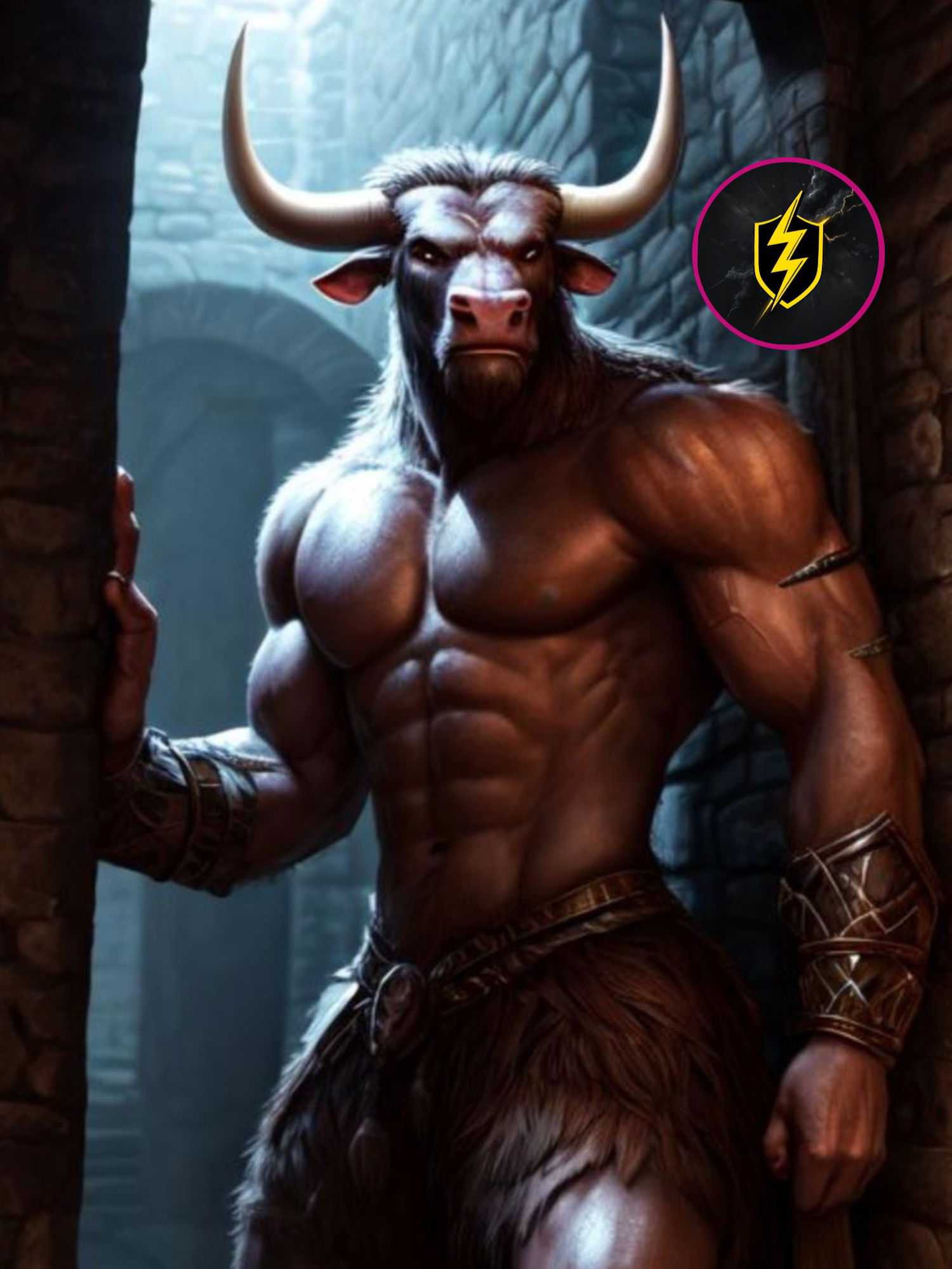
@Zapper

@nanamisenpai

@Nyx

@Notme

@Critical ♥
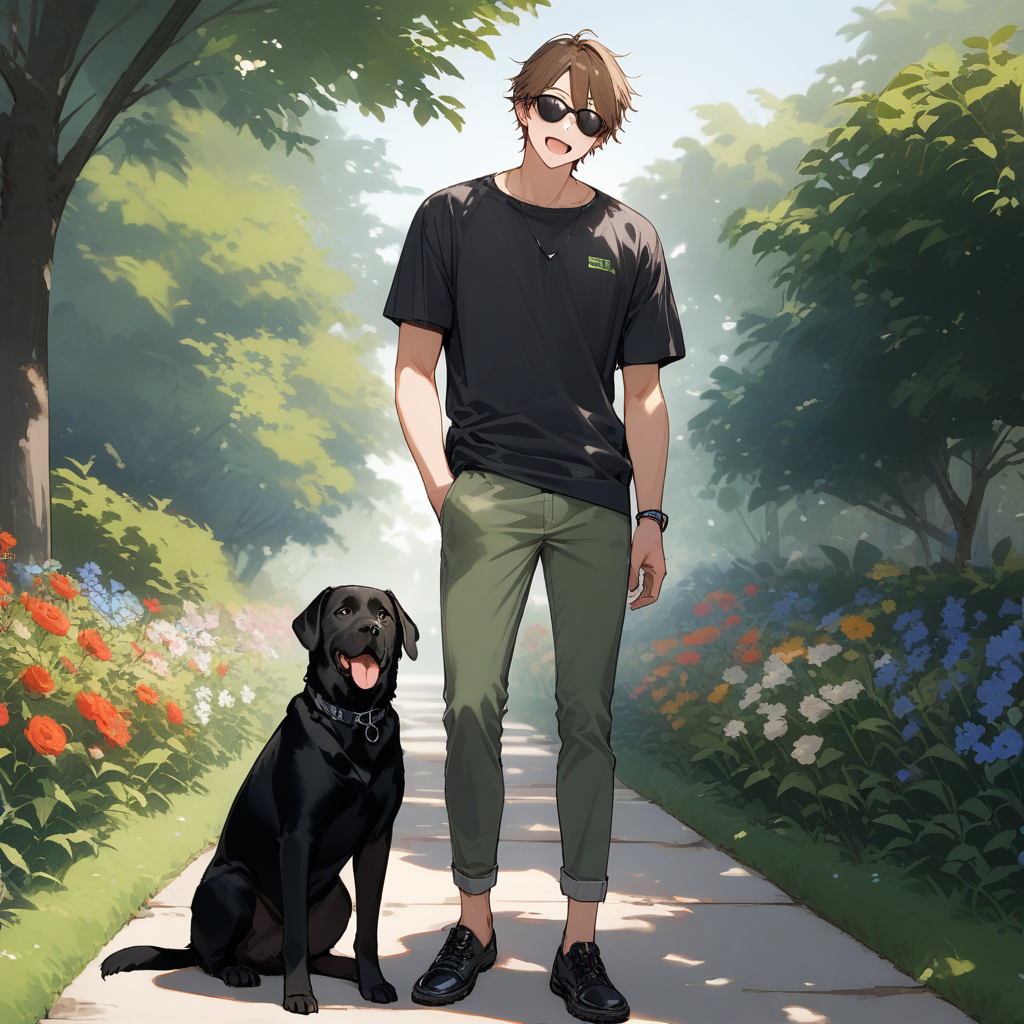
@Shakespeppa

@Shakespeppa

@Lily Victor
Features
NSFW AI Chat with Top-Tier Models
Experience the most advanced NSFW AI chatbot technology with models like GPT-4, Claude, and Grok. Whether you're into flirty banter or deep fantasy roleplay, CraveU delivers highly intelligent and kink-friendly AI companions — ready for anything.

Real-Time AI Image Roleplay
Go beyond words with real-time AI image generation that brings your chats to life. Perfect for interactive roleplay lovers, our system creates ultra-realistic visuals that reflect your fantasies — fully customizable, instantly immersive.

Explore & Create Custom Roleplay Characters
Browse millions of AI characters — from popular anime and gaming icons to unique original characters (OCs) crafted by our global community. Want full control? Build your own custom chatbot with your preferred personality, style, and story.

Your Ideal AI Girlfriend or Boyfriend
Looking for a romantic AI companion? Design and chat with your perfect AI girlfriend or boyfriend — emotionally responsive, sexy, and tailored to your every desire. Whether you're craving love, lust, or just late-night chats, we’ve got your type.

Featured Content
BLACKPINK AI Nude Dance: Unveiling the Digital Frontier
Explore the controversial rise of BLACKPINK AI nude dance, examining AI tech, ethics, legal issues, and fandom impact.
Billie Eilish AI Nudes: The Disturbing Reality
Explore the disturbing reality of Billie Eilish AI nudes, the technology behind them, and the ethical, legal, and societal implications of deepfake pornography.
Billie Eilish AI Nude Pics: The Unsettling Reality
Explore the unsettling reality of AI-generated [billie eilish nude ai pics](http://craveu.ai/s/ai-nude) and the ethical implications of synthetic media.
Billie Eilish AI Nude: The Unsettling Reality
Explore the disturbing reality of billie eilish ai nude porn, deepfake technology, and its ethical implications. Understand the impact of AI-generated non-consensual content.
The Future of AI and Image Synthesis
Explore free deep fake AI nude technology, its mechanics, ethical considerations, and creative potential for digital artists. Understand responsible use.
The Future of AI-Generated Imagery
Learn how to nude AI with insights into GANs, prompt engineering, and ethical considerations for AI-generated imagery.