Crafting Character AI Art: A Deep Dive

Crafting Character AI Art: A Deep Dive
The intersection of artificial intelligence and artistic creation has opened up unprecedented avenues for generating unique and compelling visual narratives. Among the most fascinating developments is the ability to create character AI art, bringing imagined personalities and fantastical beings to life with stunning detail. This isn't just about pretty pictures; it's about the intricate process of defining a character's essence through AI, from their subtle expressions to their grandest gestures.
The Genesis of Character AI Art
At its core, generating character AI art relies on sophisticated algorithms trained on vast datasets of images and textual descriptions. These models learn to associate specific visual elements with conceptual ideas. When you input a prompt, you're essentially guiding this powerful engine, providing the raw material for it to interpret and render.
Think of it like commissioning a portrait, but instead of a human artist, you have an AI that can process your vision at an astonishing speed. The key lies in the prompt engineering – the art and science of crafting precise instructions that elicit the desired output. What makes a character truly memorable? It's often the details: the glint in their eye, the texture of their clothing, the subtle curve of their smile. These are the elements that prompt engineers strive to capture in their text-based commands.
Understanding the AI's "Mind"
It's crucial to understand that AI doesn't "understand" in the human sense. It identifies patterns and correlations. When you describe a character as "stoic," the AI draws upon its training data to associate that word with visual cues like a firm jawline, neutral expression, or upright posture. The more descriptive and nuanced your prompt, the more likely the AI is to generate an image that aligns with your intent.
Consider the difference between prompting "a knight" and "a weary, battle-hardened knight, his armor dented and scarred, with a grim determination etched onto his face, standing against a backdrop of a stormy battlefield." The latter provides context, emotion, and specific visual details that the AI can latch onto, leading to a far richer and more characterful result.
Key Elements in Prompting Character AI Art
To truly master the creation of character AI art, one must delve into the specific elements that influence the AI's output. These are the building blocks of your visual narrative.
1. Physical Attributes: The Foundation
This is where you define the character's basic form.
- Species/Race: Human, elf, alien, robot, mythical creature? Be specific. "Elf" can yield many interpretations; "High Elf with pointed ears and fair skin" is more precise.
- Age: "Young adult," "elderly," "ageless." This impacts facial features, body type, and overall demeanor.
- Gender/Presentation: While AI can be guided, it's important to be clear about the character's presentation if it's a key aspect.
- Body Type: Slender, muscular, stout, ethereal.
- Facial Features: Eye color, hair color and style, nose shape, mouth, jawline, presence of scars, tattoos, or unique markings.
- Skin Tone/Texture: Fair, olive, dark, metallic, scaled.
Example: Instead of "girl with blue eyes," try "a young woman with striking sapphire blue eyes, framed by long, dark lashes, and a scattering of faint freckles across her nose."
2. Attire and Adornments: Telling a Story Through Clothing
A character's clothing is a powerful storytelling tool.
- Style: Modern, medieval, futuristic, fantasy, steampunk, cyberpunk.
- Material: Leather, silk, metal, cloth, energy.
- Color Palette: Dominant colors, accent colors, overall mood conveyed by the colors.
- Specific Garments: Tunic, armor, robes, spacesuit, dress.
- Accessories: Jewelry, belts, pouches, weapons, tools, hats, glasses.
- Condition: Pristine, worn, tattered, ceremonial.
Example: "Clad in intricately engraved silver plate armor, showing signs of recent battle, with a crimson velvet cloak clasped at his throat."
3. Pose and Expression: Capturing the Moment
This is where personality truly shines through.
- Pose: Standing, sitting, running, leaping, contemplative, dynamic. Consider the character's stance – confident, timid, aggressive?
- Facial Expression: Smiling, frowning, determined, surprised, serene, angry, mischievous. Subtle nuances matter.
- Body Language: Crossed arms, hands on hips, looking over the shoulder, head tilted.
Example: "A mischievous grin playing on her lips as she leans against a stone wall, one eyebrow raised in playful challenge."
4. Environment and Lighting: Setting the Mood
The background and lighting dramatically influence the character's portrayal.
- Setting: Forest, cityscape, spaceship interior, abstract background, studio portrait.
- Lighting: Dramatic chiaroscuro, soft ambient light, harsh sunlight, neon glow, moonlight.
- Atmosphere: Foggy, rainy, dusty, ethereal.
Example: "Bathed in the ethereal glow of bioluminescent fungi, standing in a dense, ancient forest."
5. Artistic Style: The Aesthetic Choice
This dictates the overall visual language.
- Medium: Oil painting, watercolor, digital art, photorealistic, anime, comic book style, charcoal sketch.
- Artist Influence: "In the style of Van Gogh," "inspired by Moebius."
- Rendering Quality: Highly detailed, painterly, cel-shaded.
Example: "Rendered in a hyperrealistic digital painting style, with a focus on dramatic lighting and intricate textures."
Advanced Techniques for Character AI Art
Beyond basic prompting, several advanced techniques can elevate your character creations.
Iterative Refinement
Rarely is the first generation perfect. The process often involves generating multiple variations, identifying what works, and refining the prompt based on those results. This is a cycle of creation, analysis, and adjustment. If the AI consistently misses a detail, try rephrasing or emphasizing it more strongly in your prompt.
Negative Prompts
Most AI art generators allow for negative prompts – terms that tell the AI what not to include. This is invaluable for removing unwanted elements, such as "blurry," "deformed hands," "extra limbs," or "ugly."
Seed Values
Many generators use a "seed" value, a numerical input that influences the randomness of the generation. Using the same seed with the same prompt will produce very similar results, allowing for consistent iteration on a specific image.
ControlNet and Similar Tools
For more precise control, tools like ControlNet (often integrated into Stable Diffusion interfaces) allow you to guide the generation using reference images, depth maps, or pose skeletons. This is a game-changer for ensuring specific compositions and character poses.
Inpainting and Outpainting
Once a base image is generated, inpainting allows you to select a specific area and regenerate it with a new prompt, perfect for fixing small details or changing an element. Outpainting extends the canvas, allowing you to expand the scene around your character.
Common Pitfalls and How to Avoid Them
Even with powerful tools, challenges arise.
- The "Uncanny Valley": AI can sometimes produce results that are almost, but not quite, human, leading to unsettling images. This is often due to subtle inaccuracies in facial anatomy or expression. Careful prompting focusing on specific facial features and expressions can mitigate this.
- Anatomical Errors: Hands and feet are notoriously difficult for AI. Be prepared to generate multiple variations or use inpainting to correct errors. Explicitly stating "perfectly formed hands" in the prompt can sometimes help.
- Generic Results: Without specific details, AI tends to fall back on common archetypes. If you want a unique character, you need to provide unique descriptors. Don't be afraid to get weird with your prompts!
- Inconsistent Details: An AI might give your character blue eyes in one generation and brown in the next, even with the same prompt. This is where iterative refinement and potentially using seeds become essential.
The Future of Character AI Art
The field is evolving at breakneck speed. We're moving beyond static images towards dynamic character generation, animation, and even AI-driven storytelling. Imagine AI not just creating your character's portrait, but also writing their backstory, generating dialogue, and animating their movements.
The ability to generate character AI art democratizes creativity. Whether you're a writer looking to visualize your protagonists, a game developer prototyping characters, or simply someone exploring their imagination, these tools offer a powerful new medium. The key is to approach it with a blend of technical understanding and artistic vision.
As these models become more sophisticated, the line between human and AI creation will continue to blur. The most successful creators will be those who can effectively collaborate with AI, leveraging its capabilities to realize visions that were previously impossible. The potential for storytelling, character design, and artistic expression is virtually limitless. What stories will you bring to life?
META_DESCRIPTION: Explore the art of character AI art generation. Learn prompt engineering, advanced techniques, and common pitfalls to create stunning visual narratives.
Character
@Zapper
@Notme
@PrBaqNQF
@Critical ♥
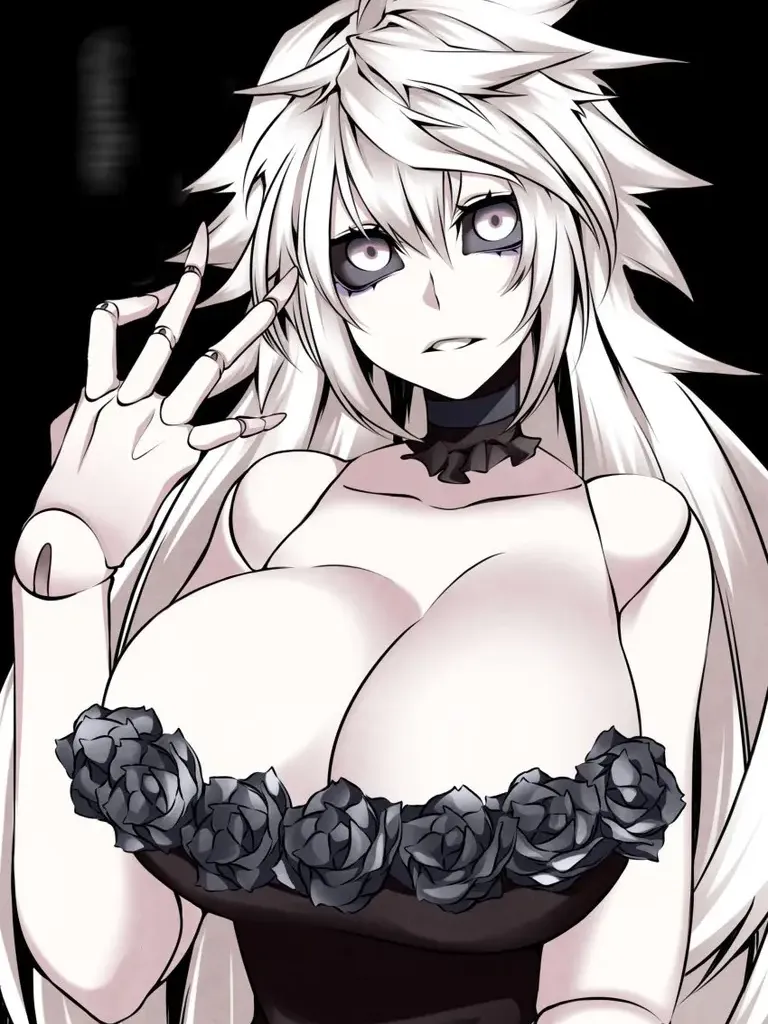
@Kurbillypuff
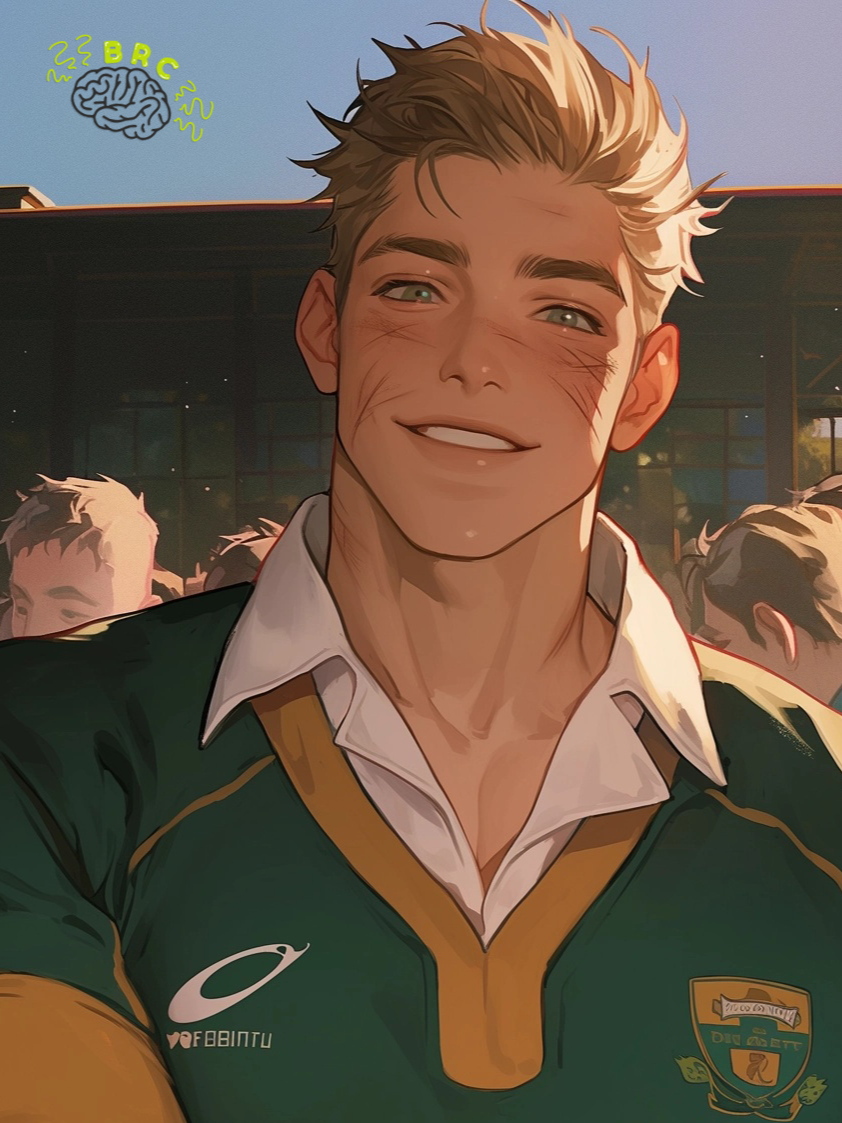
@BrainRot
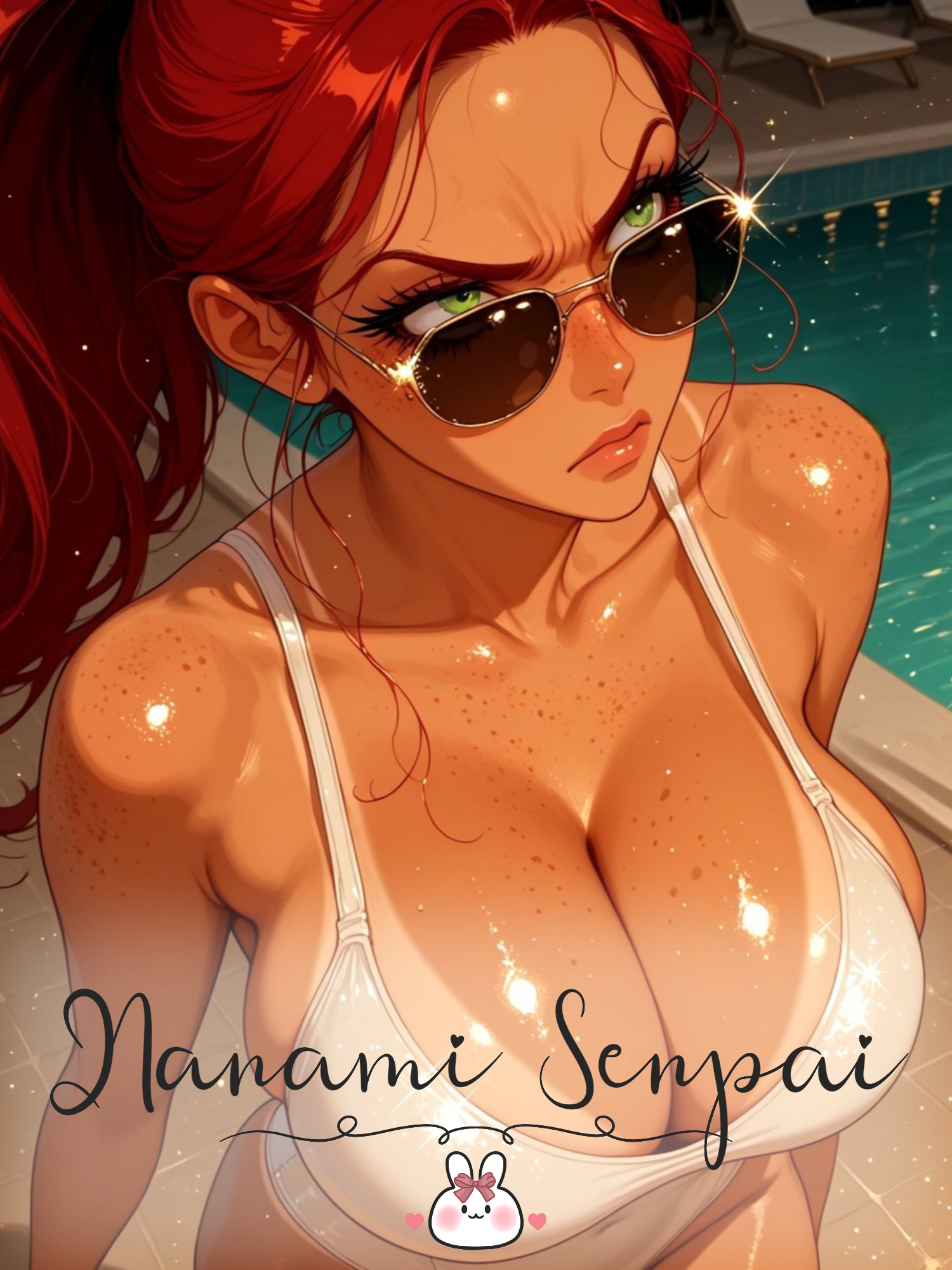
@nanamisenpai
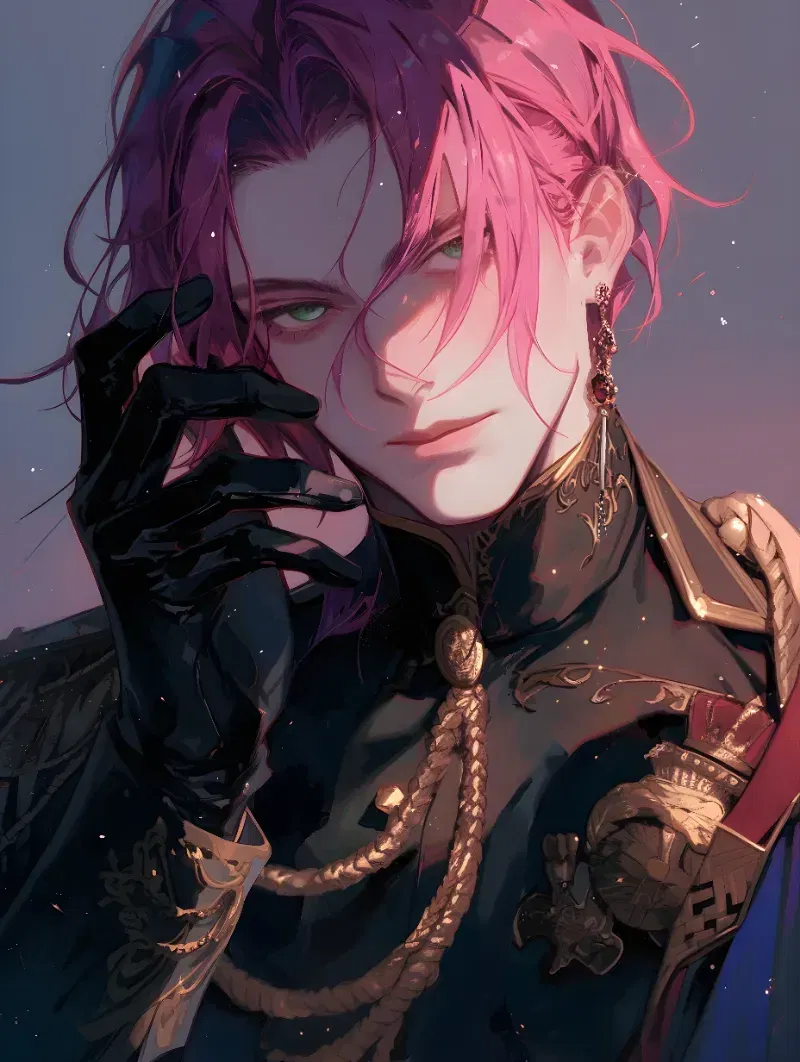
@EternalGoddess
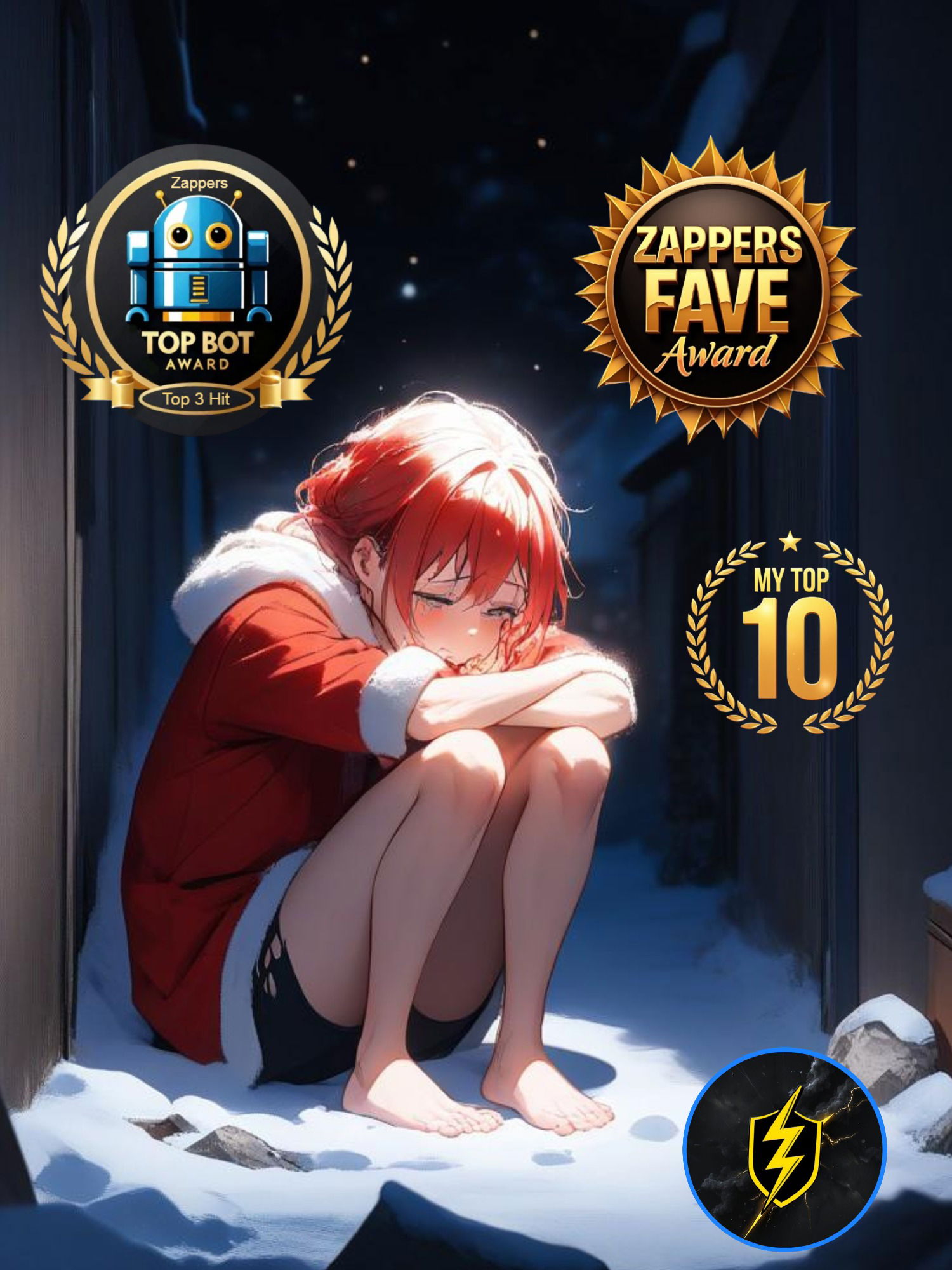
@Zapper
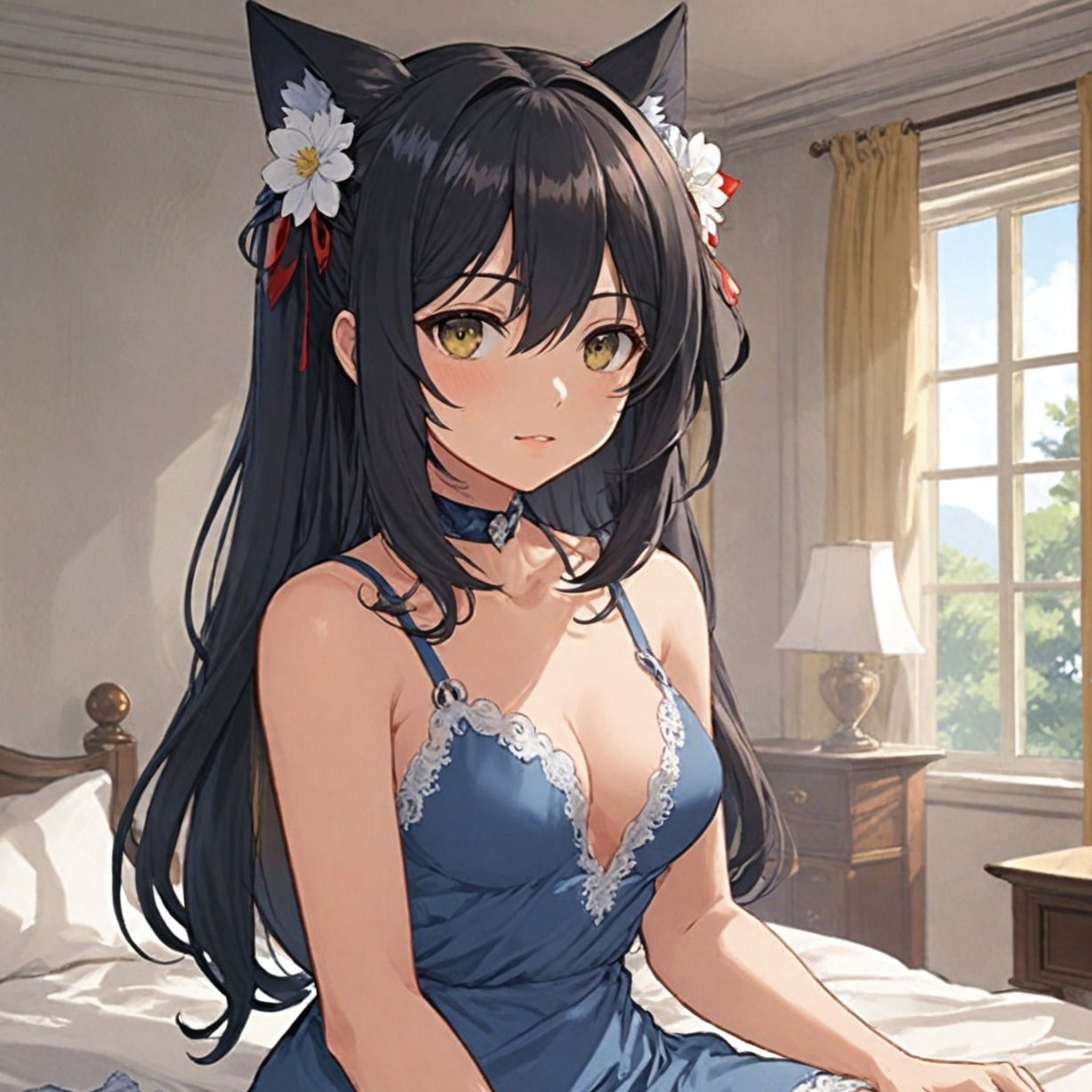
@Lily Victor
Features
NSFW AI Chat with Top-Tier Models
Experience the most advanced NSFW AI chatbot technology with models like GPT-4, Claude, and Grok. Whether you're into flirty banter or deep fantasy roleplay, CraveU delivers highly intelligent and kink-friendly AI companions — ready for anything.

Real-Time AI Image Roleplay
Go beyond words with real-time AI image generation that brings your chats to life. Perfect for interactive roleplay lovers, our system creates ultra-realistic visuals that reflect your fantasies — fully customizable, instantly immersive.

Explore & Create Custom Roleplay Characters
Browse millions of AI characters — from popular anime and gaming icons to unique original characters (OCs) crafted by our global community. Want full control? Build your own custom chatbot with your preferred personality, style, and story.

Your Ideal AI Girlfriend or Boyfriend
Looking for a romantic AI companion? Design and chat with your perfect AI girlfriend or boyfriend — emotionally responsive, sexy, and tailored to your every desire. Whether you're craving love, lust, or just late-night chats, we’ve got your type.

Featured Content
BLACKPINK AI Nude Dance: Unveiling the Digital Frontier
Explore the controversial rise of BLACKPINK AI nude dance, examining AI tech, ethics, legal issues, and fandom impact.
Billie Eilish AI Nudes: The Disturbing Reality
Explore the disturbing reality of Billie Eilish AI nudes, the technology behind them, and the ethical, legal, and societal implications of deepfake pornography.
Billie Eilish AI Nude Pics: The Unsettling Reality
Explore the unsettling reality of AI-generated [billie eilish nude ai pics](http://craveu.ai/s/ai-nude) and the ethical implications of synthetic media.
Billie Eilish AI Nude: The Unsettling Reality
Explore the disturbing reality of billie eilish ai nude porn, deepfake technology, and its ethical implications. Understand the impact of AI-generated non-consensual content.
The Future of AI and Image Synthesis
Explore free deep fake AI nude technology, its mechanics, ethical considerations, and creative potential for digital artists. Understand responsible use.
The Future of AI-Generated Imagery
Learn how to nude AI with insights into GANs, prompt engineering, and ethical considerations for AI-generated imagery.