CraveU

Understanding the Psychology of Avoiding Eye Contact

Explore the psychology, cultural nuances, and strategies for understanding and improving behaviors related to avoiding eye contact.
Start Now
craveu cover image

The Science Behind Eye Contact

Eye contact is more than just a social norm; it’s deeply rooted in human biology and psychology. When we lock eyes with someone, our brains release oxytocin, often called the "love hormone," which fosters trust and connection. This primal response dates back to our ancestors, who used eye contact to gauge trustworthiness and potential threats. However, avoiding eye contact can trigger the opposite effect. It may signal discomfort, dishonesty, or disinterest, depending on the context. Studies show that prolonged eye contact increases arousal levels, which can be overwhelming for some individuals, leading them to look away as a coping mechanism.

Why Do People Avoid Eye Contact?

Avoiding eye contact isn’t a one-size-fits-all behavior. It can stem from various psychological, cultural, or situational factors. Here are some common reasons: 1. Social Anxiety: For individuals with social anxiety disorder, maintaining eye contact can feel like an insurmountable challenge. The fear of judgment or rejection intensifies, making it easier to avert their gaze. 2. Cultural Differences: In some cultures, direct eye contact is seen as disrespectful or aggressive. For example, in many Asian and Indigenous cultures, prolonged eye contact with authority figures is considered impolite. 3. Low Self-Esteem: People with low self-esteem may avoid eye contact because they feel unworthy of attention or fear being scrutinized. 4. Neurodivergence: Conditions like autism or ADHD can make eye contact uncomfortable or overwhelming due to sensory sensitivities or difficulties with social cues. 5. Past Trauma: Individuals who have experienced trauma may avoid eye contact as a defense mechanism to protect themselves from perceived threats.

The Misinterpretations of Avoiding Eye Contact

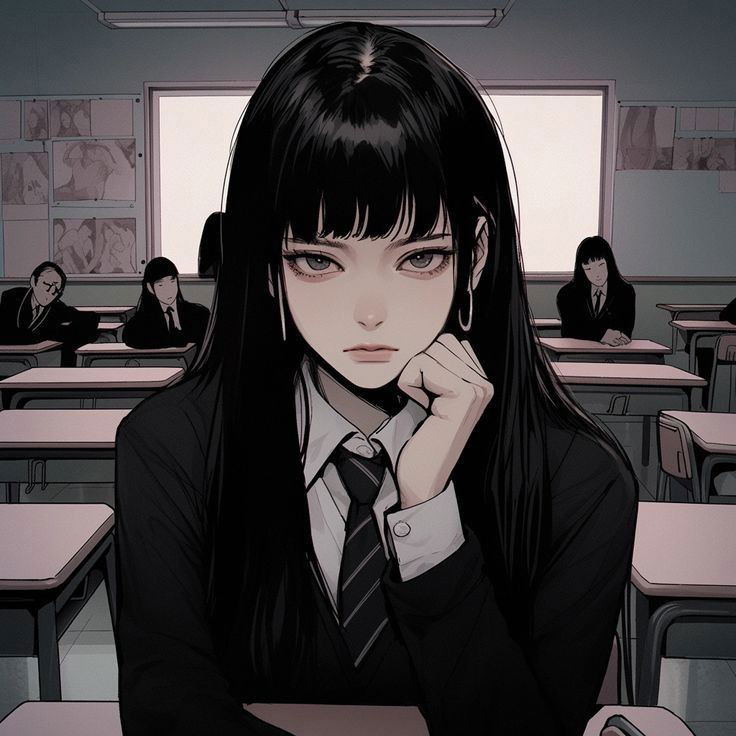
One of the most significant challenges with avoiding eye contact is the potential for misinterpretation. In Western cultures, where direct eye contact is valued, looking away can be misread as: - Lack of confidence - Dishonesty - Disinterest - Guilt However, these assumptions aren’t always accurate. For instance, someone avoiding eye contact due to social anxiety may be deeply engaged in the conversation but unable to express it through gaze. Understanding the context and individual differences is crucial to avoid jumping to conclusions.

Cultural Perspectives on Eye Contact

Eye contact norms vary widely across cultures, highlighting the importance of cultural relativity in interpreting this behavior. - Western Cultures: In countries like the United States, Canada, and much of Europe, maintaining eye contact is seen as a sign of confidence, honesty, and respect. Avoiding it can be perceived negatively. - East Asian Cultures: In Japan, China, and South Korea, direct eye contact, especially with superiors or elders, is often avoided to show humility and respect. - Middle Eastern Cultures: In many Middle Eastern countries, prolonged eye contact between genders can be seen as inappropriate or disrespectful. - Indigenous Cultures: Some Indigenous communities view direct eye contact as a challenge or threat, preferring more subtle forms of nonverbal communication.

How to Improve Eye Contact

If avoiding eye contact is holding you back, there are practical strategies to improve this skill: 1. Start Small: Practice maintaining eye contact with friends or family members for a few seconds at a time. Gradually increase the duration as you feel more comfortable. 2. Focus on the Eyebrow Triangle: If direct eye contact feels too intense, try focusing on the area between the eyes or the eyebrows. This can create the illusion of eye contact without the discomfort. 3. Use the 50/70 Rule: In conversations, aim to maintain eye contact 50% of the time when speaking and 70% when listening. This balance ensures you appear engaged without feeling overwhelmed. 4. Practice Mindfulness: Techniques like deep breathing or grounding exercises can reduce anxiety and make eye contact feel less daunting. 5. Seek Professional Help: If avoiding eye contact is linked to deeper issues like anxiety or trauma, consider working with a therapist or counselor.

The Role of Technology in Eye Contact

In the digital age, technology has introduced new challenges to maintaining eye contact. Video calls, for instance, often require looking at the camera rather than the screen, which can feel unnatural. Here are some tips for virtual eye contact: - Position the camera at eye level to minimize the need to look down. - Practice looking directly at the camera lens, even if it feels strange at first. - Use visual cues like nodding or smiling to compensate for the lack of physical presence.

When Avoiding Eye Contact Is Okay

While improving eye contact is beneficial, there are situations where avoiding it is perfectly acceptable or even necessary: - Respecting Cultural Norms: When interacting with someone from a culture where direct eye contact is frowned upon, adapt your behavior to show respect. - Personal Comfort: If maintaining eye contact causes significant distress, prioritize your mental well-being and take breaks when needed. - Professional Boundaries: In certain professional settings, like therapy or counseling, avoiding eye contact can create a safe space for clients to open up.

The Future of Eye Contact in a Changing World

As societal norms evolve, so too will our understanding of eye contact. The rise of remote work, virtual reality, and diverse cultural interactions will likely reshape how we interpret and use this nonverbal cue. By staying informed and empathetic, we can navigate these changes with grace and understanding.

Conclusion

Avoiding eye contact is a complex behavior with roots in psychology, culture, and personal experience. While it can sometimes be misinterpreted as a sign of weakness or dishonesty, it often reflects deeper emotional or situational factors. By understanding the nuances of this behavior and practicing practical strategies, we can improve our ability to connect with others authentically. Whether you’re someone who avoids eye contact or interacts with someone who does, approaching the situation with empathy and awareness is key. After all, true connection goes beyond the gaze—it’s about understanding and respecting the person behind the eyes.

Features

NSFW AI Chat with Top-Tier Models

Experience the most advanced NSFW AI chatbot technology with models like GPT-4, Claude, and Grok. Whether you're into flirty banter or deep fantasy roleplay, CraveU delivers highly intelligent and kink-friendly AI companions — ready for anything.

NSFW AI Chat with Top-Tier Models feature illustration

Real-Time AI Image Roleplay

Go beyond words with real-time AI image generation that brings your chats to life. Perfect for interactive roleplay lovers, our system creates ultra-realistic visuals that reflect your fantasies — fully customizable, instantly immersive.

Real-Time AI Image Roleplay feature illustration

Explore & Create Custom Roleplay Characters

Browse millions of AI characters — from popular anime and gaming icons to unique original characters (OCs) crafted by our global community. Want full control? Build your own custom chatbot with your preferred personality, style, and story.

Explore & Create Custom Roleplay Characters feature illustration

Your Ideal AI Girlfriend or Boyfriend

Looking for a romantic AI companion? Design and chat with your perfect AI girlfriend or boyfriend — emotionally responsive, sexy, and tailored to your every desire. Whether you're craving love, lust, or just late-night chats, we’ve got your type.

Your Ideal AI Girlfriend or Boyfriend feature illustration

FAQs

What makes CraveU AI different from other AI chat platforms?

CraveU stands out by combining real-time AI image generation with immersive roleplay chats. While most platforms offer just text, we bring your fantasies to life with visual scenes that match your conversations. Plus, we support top-tier models like GPT-4, Claude, Grok, and more — giving you the most realistic, responsive AI experience available.

What is SceneSnap?

SceneSnap is CraveU’s exclusive feature that generates images in real time based on your chat. Whether you're deep into a romantic story or a spicy fantasy, SceneSnap creates high-resolution visuals that match the moment. It's like watching your imagination unfold — making every roleplay session more vivid, personal, and unforgettable.

Are my chats secure and private?

Are my chats secure and private?
CraveU AI
Experience immersive NSFW AI chat with Craveu AI. Engage in raw, uncensored conversations and deep roleplay with no filters, no limits. Your story, your rules.
© 2025 CraveU AI All Rights Reserved