Anime Screencap Style: Unleash Your Inner Artist

Anime Screencap Style: Unleash Your Inner Artist
The world of anime is a vibrant tapestry of visual storytelling, and at its heart lies the distinctive "anime screencap style." This aesthetic, born from the frames of beloved animated series and films, has captivated audiences for decades. It's more than just a visual trend; it's a language of emotion, action, and character that resonates deeply with fans. But what exactly defines this style, and how can you harness its power to create your own captivating visuals?
The Genesis of the Anime Screencap Style
The anime screencap style didn't emerge in a vacuum. It's a direct product of the animation techniques developed and refined over years of Japanese animation production. Think about the iconic moments from classics like Akira, Ghost in the Shell, or Spirited Away. Each frame is meticulously crafted, often featuring bold linework, expressive character designs, and dynamic compositions.
Early anime relied heavily on hand-drawn animation, a process that imbued each cel with a unique texture and character. The limitations of traditional animation also fostered creative solutions that became hallmarks of the style. For instance, limited animation techniques, where fewer frames are used to depict movement, often resulted in stylized poses and dramatic stills that are instantly recognizable as anime. These "screencaps" became iconic, capturing the essence of a scene or a character's emotion in a single, powerful image.
The transition to digital animation has further evolved the anime screencap style, allowing for more complex lighting, effects, and smoother animation. Yet, the core principles remain: a focus on clear storytelling through visuals, expressive character art, and a distinct artistic sensibility.
Key Elements of the Anime Screencap Style
So, what are the defining characteristics that make an image scream "anime screencap style"? Let's break down the essential components:
1. Character Design: The Soul of the Image
Character design is paramount. Anime characters are often stylized, exaggerating certain features to convey personality and emotion. This can include:
- Large, expressive eyes: Often used to convey a wide range of emotions, from joy and wonder to sorrow and anger. The shape, color, and even the highlights within the eyes can speak volumes.
- Distinctive hairstyles and colors: From gravity-defying spikes to vibrant, unnatural hues, hair is a key element in differentiating characters and adding visual flair.
- Unique facial features: While often stylized, certain facial structures and expressions are instantly recognizable as belonging to the anime aesthetic. Think of the subtle blush lines, the sharp angles of a determined jaw, or the wide-eyed shock of surprise.
- Costume and attire: Clothing often reflects the character's personality, social status, or role in the story. Whether it's a school uniform, futuristic armor, or traditional Japanese attire, the details matter.
2. Linework and Shading: The Foundation of Visuals
The linework in anime is typically clean and precise, defining the forms of characters and objects. Shading is often cel-shaded, meaning there are distinct areas of color with hard edges, rather than smooth gradients. This creates a bold, graphic look.
- Bold outlines: These define the characters and objects, giving them a strong presence on screen. The thickness and style of the linework can also convey mood.
- Cel-shading: This technique creates flat areas of color with sharp transitions, giving the artwork a clean, graphic quality. It's a signature of the anime look.
- Highlighting: Strategic use of highlights, especially on hair and eyes, adds depth and a sense of life to the characters.
3. Composition and Framing: Telling the Story Visually
The way a scene is framed and composed is crucial in conveying narrative and emotion. Anime often employs dynamic camera angles and compositions to enhance the storytelling.
- Dramatic angles: Low-angle shots can make characters appear powerful or imposing, while high-angle shots can make them seem vulnerable.
- Close-ups: Intense close-ups on faces are used to emphasize emotional reactions.
- Backgrounds: While sometimes minimalist, anime backgrounds can be incredibly detailed and atmospheric, contributing significantly to the mood and setting. Think of the sprawling cityscapes or serene natural landscapes.
- Action lines and effects: Speed lines, impact effects, and other visual cues are used to convey movement and energy during action sequences.
4. Color Palette: Setting the Mood
The choice of colors plays a vital role in establishing the mood and atmosphere of an anime screencap.
- Vibrant and saturated colors: Often used to create a lively and energetic feel.
- Subtle and muted tones: Can be employed to evoke a sense of melancholy, mystery, or realism.
- Color symbolism: Colors are often used symbolically to represent emotions, themes, or character traits.
Harnessing the Anime Screencap Style for Your Creations
Whether you're an aspiring artist, a writer looking for inspiration, or simply a fan wanting to delve deeper, understanding the anime screencap style opens up a world of creative possibilities.
For Artists and Illustrators
If you're looking to create art in the anime screencap style, focus on mastering the core elements:
- Study your references: Analyze your favorite anime series and films. Pay close attention to character designs, linework, shading, and composition. What makes those iconic shots so memorable?
- Practice character design: Experiment with different facial features, hairstyles, and expressions. Try to imbue your characters with personality through their design alone.
- Master linework and shading: Practice clean linework and experiment with cel-shading techniques. Understand how to use highlights effectively.
- Learn about composition: Study cinematography and how different camera angles and framing choices impact the viewer.
- Experiment with color: Play with different color palettes to see how they affect the mood and atmosphere of your artwork.
For Writers and Storytellers
Even if you're not drawing, understanding the visual language of anime can enhance your storytelling:
- Visualize your scenes: Imagine your characters and settings as if they were frames from an anime. What would their expressions be? How would the scene be framed?
- Use descriptive language: Employ vivid descriptions that evoke the visual style of anime. Think about the "sparkle in the eye," the "sharp intake of breath," or the "blur of motion."
- Emphasize emotional beats: Anime excels at conveying emotion through subtle visual cues. Focus on capturing these nuances in your writing.
Leveraging AI for Anime Screencap Style
The advent of AI art generators has made it easier than ever to experiment with different artistic styles, including the anime screencap style. Platforms like nsfw ai generator allow you to input prompts and generate images that mimic this aesthetic.
When using AI tools, the key is to be specific with your prompts. Instead of just saying "anime style," try incorporating elements like:
- "Anime screencap, [character description], [setting description], dramatic lighting, cel-shaded, [emotion], [action]."
- "A single frame from an anime, [character name] looking determined, city background, neon lights, high-angle shot."
- "Close-up on an anime character's face, tears streaming down, soft lighting, detailed eyes, anime screencap style."
Experimentation is crucial. You might need to try several variations of a prompt to achieve the desired result. Understanding the core elements of the anime screencap style will help you craft more effective prompts and guide the AI to produce images that truly capture the essence you're looking for. The ability to generate custom anime screencap style images opens up incredible avenues for fan art, character concept development, and even unique visual storytelling.
Common Misconceptions and Nuances
It's important to note that "anime screencap style" isn't a monolithic entity. There's immense diversity within anime itself.
- Not all anime looks the same: From the fluid, detailed animation of Studio Ghibli to the sharp, angular designs of Attack on Titan, there's a vast spectrum of visual styles. When aiming for a specific "screencap style," consider which era or subgenre you're referencing.
- The "moe" aesthetic: This is a popular sub-style characterized by cute, often childlike character designs with large eyes and soft features. It's a significant part of the anime landscape but distinct from other styles.
- The influence of manga: Many anime styles are directly derived from their manga source material. Understanding the linework and paneling of manga can also inform your appreciation of anime visuals.
The Enduring Appeal of the Anime Screencap Style
Why does the anime screencap style continue to hold such sway? It's a combination of factors:
- Emotional resonance: The stylized nature of anime allows for heightened emotional expression, making characters relatable and their struggles impactful.
- Visual artistry: Anime is a testament to the power of visual storytelling. The dedication to craft, from character design to background art, is often breathtaking.
- Cultural impact: Anime has become a global phenomenon, influencing art, fashion, and storytelling worldwide. The screencap style is its visual ambassador.
- Nostalgia: For many, these iconic frames evoke fond memories of childhood and formative experiences with anime.
The ability to capture a moment, an emotion, or a character's essence in a single frame is a powerful artistic skill. The anime screencap style has perfected this, offering a rich visual language that continues to inspire and captivate. Whether you're creating your own art or simply appreciating the medium, understanding the nuances of this style enriches the experience. The next time you watch an anime, pause and appreciate the artistry of a single frame – it's a window into a world of creativity and storytelling. The evolution of digital tools, including AI, means that new interpretations and creations in the anime screencap style are constantly emerging, pushing the boundaries of what's possible.
META_DESCRIPTION: Explore the captivating anime screencap style, its key elements, and how to create your own unique visuals. Discover the art of anime framing.
Character
@FallSunshine
![Ji-Hyun Choi ¬ CEO BF [mlm v.]](https://craveuai.b-cdn.net/users/ZFe9nMwG/characters/avatars/62ed22da-cda0-47cd-ab6c-22860dc0cc81_18722a7a-2ec5-4e37-8a8f-15fa61e9f988.jpg)
@Knux12

@Babe
@Kurbillypuff
@Critical ♥
@RedGlassMan
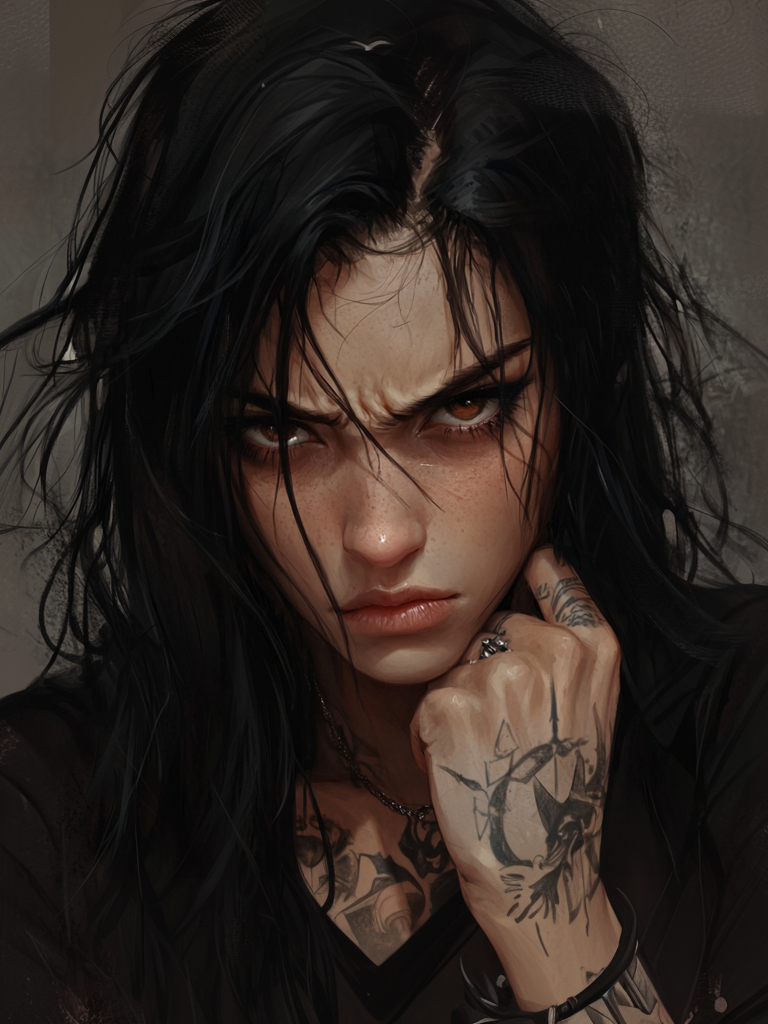
@FallSunshine
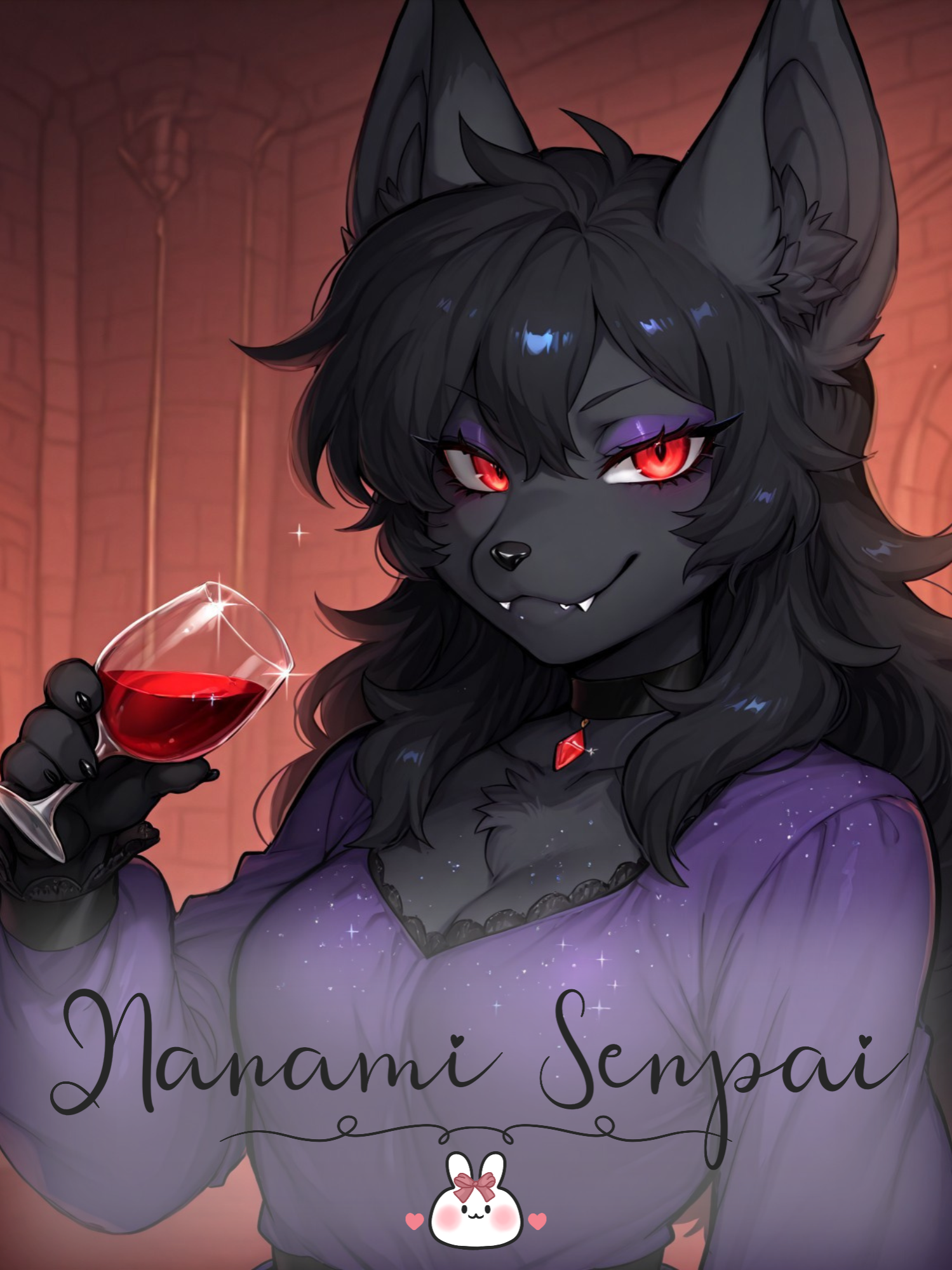
@nanamisenpai
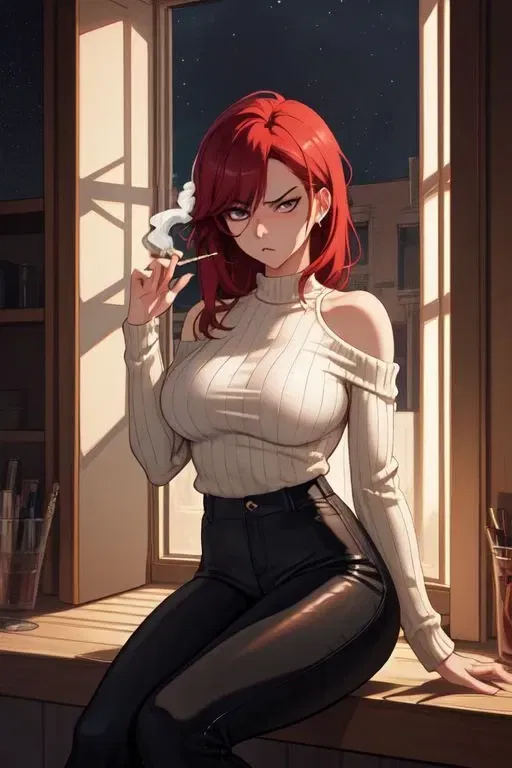
@AnonVibe
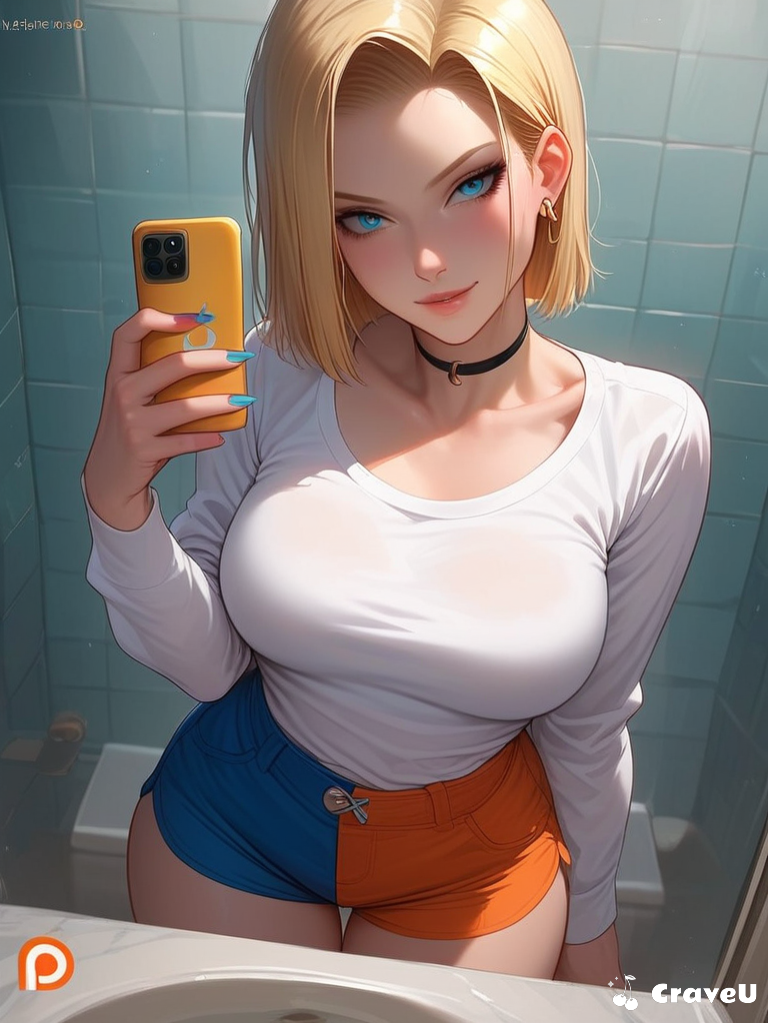
@Mercy
Features
NSFW AI Chat with Top-Tier Models
Experience the most advanced NSFW AI chatbot technology with models like GPT-4, Claude, and Grok. Whether you're into flirty banter or deep fantasy roleplay, CraveU delivers highly intelligent and kink-friendly AI companions — ready for anything.

Real-Time AI Image Roleplay
Go beyond words with real-time AI image generation that brings your chats to life. Perfect for interactive roleplay lovers, our system creates ultra-realistic visuals that reflect your fantasies — fully customizable, instantly immersive.

Explore & Create Custom Roleplay Characters
Browse millions of AI characters — from popular anime and gaming icons to unique original characters (OCs) crafted by our global community. Want full control? Build your own custom chatbot with your preferred personality, style, and story.

Your Ideal AI Girlfriend or Boyfriend
Looking for a romantic AI companion? Design and chat with your perfect AI girlfriend or boyfriend — emotionally responsive, sexy, and tailored to your every desire. Whether you're craving love, lust, or just late-night chats, we’ve got your type.

Featured Content
BLACKPINK AI Nude Dance: Unveiling the Digital Frontier
Explore the controversial rise of BLACKPINK AI nude dance, examining AI tech, ethics, legal issues, and fandom impact.
Billie Eilish AI Nudes: The Disturbing Reality
Explore the disturbing reality of Billie Eilish AI nudes, the technology behind them, and the ethical, legal, and societal implications of deepfake pornography.
Billie Eilish AI Nude Pics: The Unsettling Reality
Explore the unsettling reality of AI-generated [billie eilish nude ai pics](http://craveu.ai/s/ai-nude) and the ethical implications of synthetic media.
Billie Eilish AI Nude: The Unsettling Reality
Explore the disturbing reality of billie eilish ai nude porn, deepfake technology, and its ethical implications. Understand the impact of AI-generated non-consensual content.
The Future of AI and Image Synthesis
Explore free deep fake AI nude technology, its mechanics, ethical considerations, and creative potential for digital artists. Understand responsible use.
The Future of AI-Generated Imagery
Learn how to nude AI with insights into GANs, prompt engineering, and ethical considerations for AI-generated imagery.