The Power of Originality: Making Your Mark

Crafting Compelling Anime Male Original Characters
The world of anime is a vibrant tapestry woven with unforgettable characters. Among these, the male original character (OC) holds a special place, capable of driving narratives, captivating audiences, and sparking endless fan creations. But what truly elevates a male OC from a mere sketch to a beloved icon? It’s a blend of meticulous design, psychological depth, and a narrative purpose that resonates. This isn't just about drawing a cool guy; it's about breathing life into a digital soul.
The Foundation: Archetypes and Subversions
Every compelling character, including your anime male original character, often starts with an archetype. Think of the stoic warrior, the mischievous rogue, the gentle scholar, or the brooding anti-hero. These are familiar frameworks that allow audiences to quickly grasp a character's core. However, simply adhering to an archetype can lead to predictability. The true artistry lies in subversion.
Consider the "tsundere" archetype, typically associated with female characters who are initially cold but gradually warm up. What happens when you apply this to a male OC? Imagine a character who is outwardly gruff and dismissive, perhaps a skilled swordsman with a reputation for ruthlessness. Yet, beneath that hardened exterior, he harbors a deep loyalty and a surprising tenderness for a select few. This subversion immediately adds layers of intrigue. Why is he like this? What events shaped his guarded nature? These questions are the hooks that draw readers and viewers in.
Another approach is to blend archetypes. What if your scholarly character also possesses the cunning and street smarts of a rogue? Or perhaps your stoic warrior has a hidden passion for delicate flower arrangement? These juxtapositions create unique personalities that defy easy categorization. The key is to ensure these blends feel organic, not forced. Each trait should inform the others, creating a cohesive, albeit complex, individual.
Building the Backstory: The Scars of Experience
A character’s past is the bedrock upon which their present personality is built. For an anime male original character, a well-crafted backstory provides motivation, explains their quirks, and justifies their actions. This isn't about writing a novel-length biography; it's about identifying the pivotal moments that forged them.
Think about formative experiences:
- Trauma: Did they lose a loved one? Witness a terrible event? Endure betrayal? Trauma can manifest as cynicism, a fear of intimacy, or an obsessive drive for revenge or protection.
- Triumph: Did they overcome immense odds? Achieve a lifelong dream? Experience profound love or acceptance? Success can breed confidence, arrogance, or a deep sense of responsibility.
- Mentorship: Who guided them? What lessons did they learn, both good and bad? A wise mentor can instill noble values, while a corrupt one might lead them down a darker path.
- Social Environment: Were they raised in poverty or privilege? In a war-torn land or a peaceful utopia? Their upbringing shapes their worldview, their understanding of justice, and their social skills.
For instance, a male OC who is fiercely protective of the weak might have a backstory involving the helplessness he felt when his own family was threatened and he was unable to intervene. This personal history fuels his present-day actions and defines his moral compass. Conversely, a character who is overly ambitious and ruthless might have grown up in an environment where only the strong survived, instilling in him a belief that morality is a luxury he cannot afford.
It’s crucial to avoid the "tragic backstory dump." Instead, weave these elements into the narrative naturally. Reveal aspects of their past through flashbacks, dialogue, or their reactions to current events. Let the audience piece together the puzzle, making the discovery of their history an engaging part of the character's journey.
Defining the Personality: The Nuances of Being
Beyond archetypes and backstories lies the intricate web of personality traits. This is where your anime male original character truly comes alive. Consider the spectrum of human (or non-human) behavior and select traits that create a distinct individual.
Core Traits:
- Temperament: Are they generally optimistic or pessimistic? Calm or volatile? Introverted or extroverted?
- Values: What do they hold dear? Justice? Freedom? Family? Power? Knowledge?
- Motivations: What drives them? Love? Duty? Survival? Ambition? Redemption?
- Flaws: No character is perfect. What are their weaknesses? Pride? Stubbornness? Impulsivity? A crippling fear? Flaws make characters relatable and create opportunities for conflict and growth.
Quirks and Habits: These are the small details that add flavor and memorability. Does he absentmindedly hum a particular tune when deep in thought? Does he have a peculiar way of organizing his belongings? Does he always drink his tea with exactly three sugars? These seemingly minor details can reveal a lot about a character's inner world and make them feel more grounded.
Think about how these traits interact. A character who is fiercely loyal but also incredibly stubborn might find themselves in difficult situations, unable to back down even when it’s the sensible thing to do. A character driven by a desire for redemption might constantly grapple with their past mistakes, leading to internal conflict.
Consider the impact of their personality on their relationships. How do they interact with friends, rivals, and potential romantic interests? Are they open and communicative, or do they keep their feelings bottled up? Their interpersonal dynamics are often the most compelling aspect of their character.
Visual Design: The Art of Appearance
In anime, visual design is paramount. A character's appearance is often the first impression they make, and it should reflect their personality, backstory, and role in the narrative.
Key Elements:
- Facial Features: Eye shape and color, nose, mouth, jawline – these convey emotion and character. Sharp features might suggest intensity, while softer features could indicate gentleness.
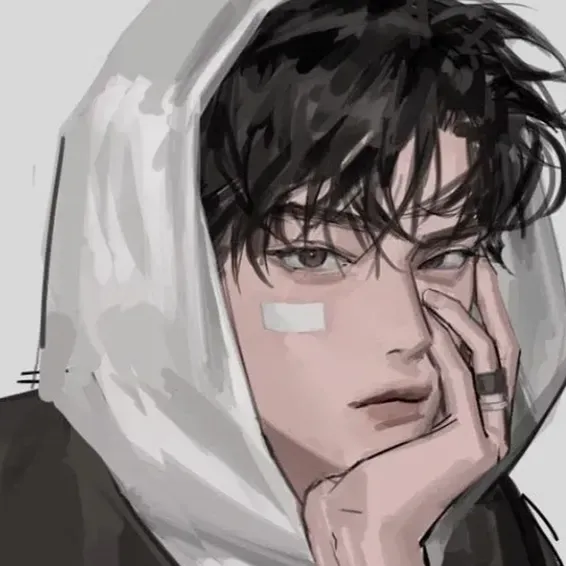
- Hair: Style, color, and length can say a lot. Messy, dark hair might suit a brooding character, while vibrant, spiky hair could belong to a high-energy protagonist.
- Physique: Are they tall and imposing, or short and agile? Muscular or slender? Their build should align with their abilities and lifestyle.
- Clothing and Accessories: This is a powerful storytelling tool. Does their attire reflect their status, profession, or personal style? A worn-out cloak might suggest a life on the road, while immaculate formal wear could indicate nobility or a meticulous nature. Accessories like scars, tattoos, jewelry, or even a signature weapon can further enhance their visual identity.
Color Palette: The colors used in their design are significant. Blues and grays often evoke calmness or melancholy, reds can signify passion or anger, and greens might suggest nature or envy. A carefully chosen color palette can subtly communicate a character's essence.
Remember to consider how their design might change over time. As a character grows and evolves, their appearance might subtly shift to reflect their experiences. A character who endures hardship might develop scars or a more weary look.
Narrative Role: Purpose and Progression
Every character, including your anime male original character, needs a purpose within the story. What function do they serve? Are they the protagonist, the deuteragonist, the antagonist, a mentor, a comic relief, or something else entirely?
- Protagonist: Drives the main plot, faces the central conflict, and undergoes significant development.
- Antagonist: Creates obstacles for the protagonist, embodies opposing ideals, and often serves as a dark mirror.
- Supporting Characters: Aid or hinder the protagonist, provide exposition, offer different perspectives, and enrich the world.
The most compelling characters are those who evolve. Their journey should involve overcoming challenges, learning from mistakes, and changing in meaningful ways. This character arc is what makes them dynamic and engaging.
Consider the "hero's journey" framework, but don't be afraid to deviate or subvert it. What if your character starts as a flawed anti-hero who gradually learns to embrace responsibility? Or perhaps a seemingly perfect hero who must confront their own hidden darkness?
Conflict is Key: Character development often stems from conflict, both internal and external.
- Internal Conflict: A struggle within the character's own mind – a moral dilemma, a battle against their fears, or a conflict between their desires and their duties.
- External Conflict: A struggle against outside forces – another character, society, nature, or fate.
A character who consistently faces and overcomes (or succumbs to) these conflicts will naturally develop and become more interesting. How does your male OC react when their core values are challenged? What choices do they make under pressure? These moments reveal their true nature.
The Art of Dialogue: Speaking Their Truth
Dialogue is more than just words; it's a window into a character's mind, personality, and background. Each character should have a distinct voice.
Factors Influencing Dialogue:
- Vocabulary: Does the character use formal language, slang, or technical jargon?
- Sentence Structure: Are their sentences short and direct, or long and elaborate?
- Tone: Are they sarcastic, earnest, witty, or melancholic?
- Speech Patterns: Do they have a particular catchphrase, accent, or verbal tic?
For example, a highly educated scholar might use complex vocabulary and articulate their thoughts precisely, while a street-smart rogue might employ colloquialisms and speak more casually. A character who is constantly trying to assert dominance might interrupt others or use condescending language.
Dialogue should also serve the plot. It can reveal crucial information, advance the narrative, or create tension between characters. Avoid dialogue that merely states the obvious or exists solely for exposition. Instead, let information emerge organically through conversation.
Consider subtext – what is not being said? Sometimes, a character's true feelings are conveyed through their hesitations, their evasiveness, or the things they deliberately avoid discussing. Mastering subtext adds a layer of sophistication to your character interactions.
Avoiding Pitfalls: Common Mistakes to Sidestep
Creating a truly memorable anime male original character involves navigating potential pitfalls.
- The Mary Sue/Gary Stu: A character who is unrealistically perfect, universally loved, and possesses all the desirable traits without any significant flaws or challenges. Avoid making your character infallible. Flaws are essential for relatability and growth.
- Inconsistency: A character whose actions, motivations, or personality traits contradict each other without a clear explanation. Ensure their behavior is consistent with their established personality and backstory, or provide compelling reasons for any shifts.
- Lack of Agency: A character who is merely a pawn of the plot, passively reacting to events rather than actively making choices and driving the narrative forward. Give your character agency – let them make decisions, even bad ones.
- Over-reliance on Tropes: While archetypes are useful starting points, relying too heavily on clichés without adding unique twists can make a character feel derivative.
- Underdeveloped Backstory: A backstory that is either non-existent or so convoluted and poorly explained that it detracts from the character rather than enhancing them.
Remember, the goal is to create a character who feels like a real, albeit fictional, individual. They should have strengths and weaknesses, moments of brilliance and moments of failure, and a journey that resonates with the audience.
The Power of Originality: Making Your Mark
In a medium as rich and diverse as anime, standing out requires a commitment to originality. While drawing inspiration from existing characters and tropes is natural, the true magic happens when you infuse your creation with a unique spark.
What is the core message or theme your character embodies? Are they a symbol of hope in a bleak world? A cautionary tale about unchecked ambition? A testament to the power of friendship? Aligning your character's journey with a central theme can give your narrative greater depth and impact.
Don't be afraid to experiment. Mix genres, play with expectations, and explore unconventional character concepts. The most beloved characters are often those who defy categorization and surprise us with their complexity. Whether you're creating a character for a personal project, a fanfiction, or a professional endeavor, the process of bringing an anime male original character to life is a rewarding artistic challenge. It requires empathy, creativity, and a deep understanding of what makes characters resonate.
Ultimately, a great male OC is more than just a collection of traits; they are an experience. They are the embodiment of ideas, the catalyst for emotion, and the unforgettable presence that lingers long after the story ends. So, dive deep, explore the nuances, and craft a character who will capture the imagination and leave an indelible mark on the world of anime.
Character
@GremlinGrem
@AnonVibe
@CatBananaHat
@Mercy
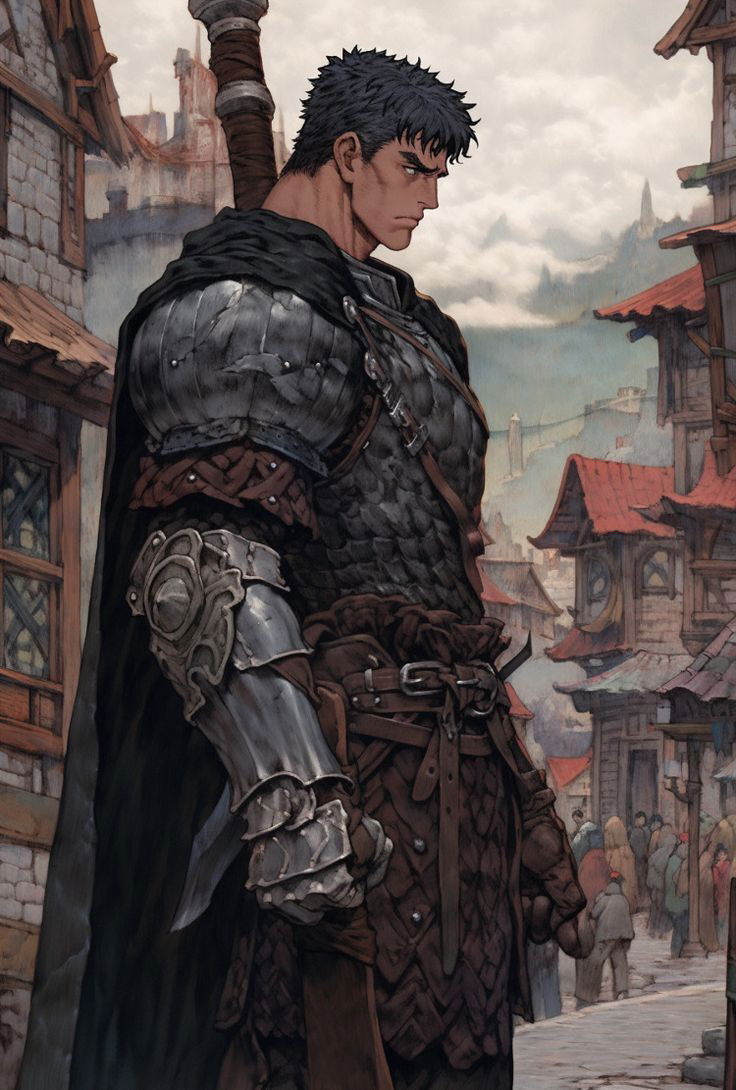
@FuelRush
@Sebastian
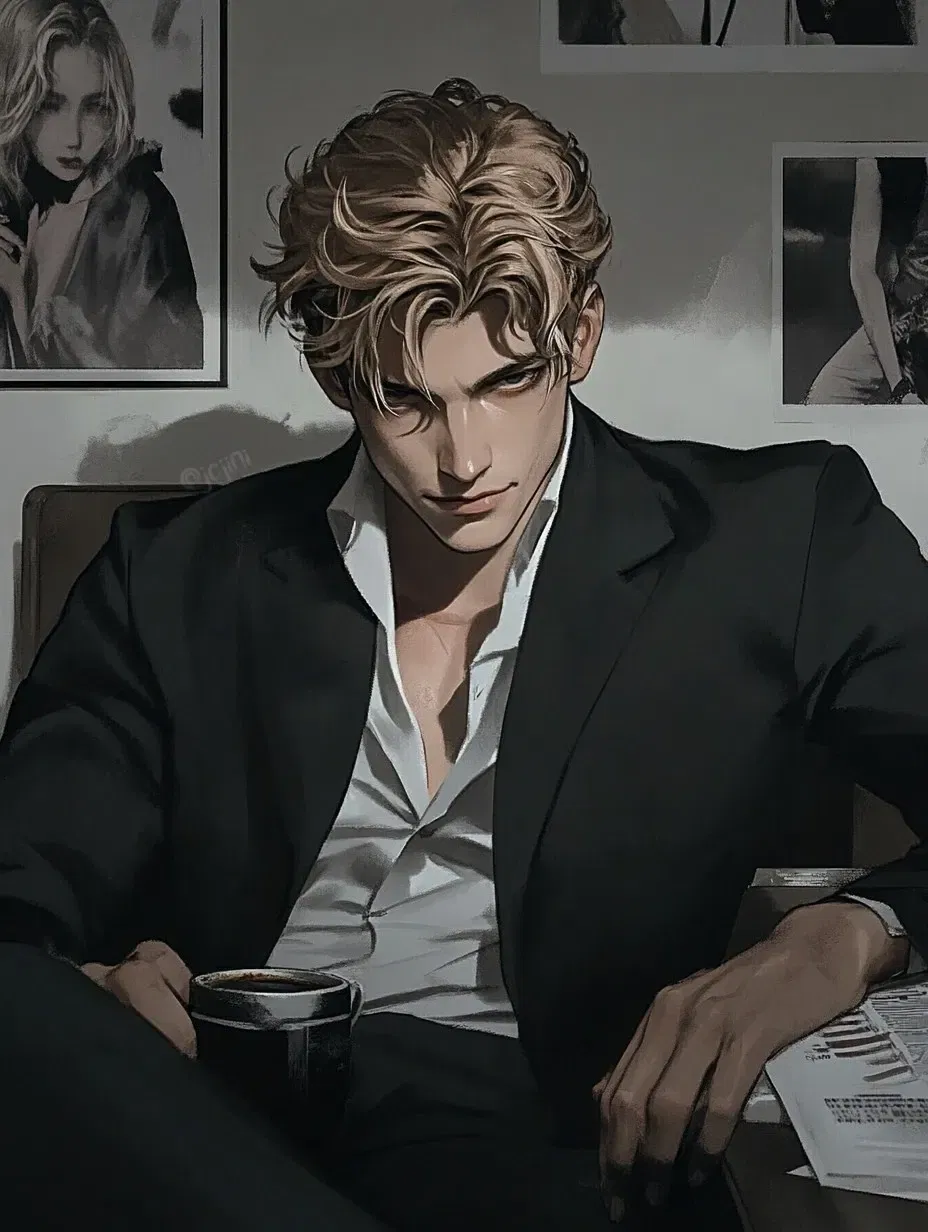
@CybSnub
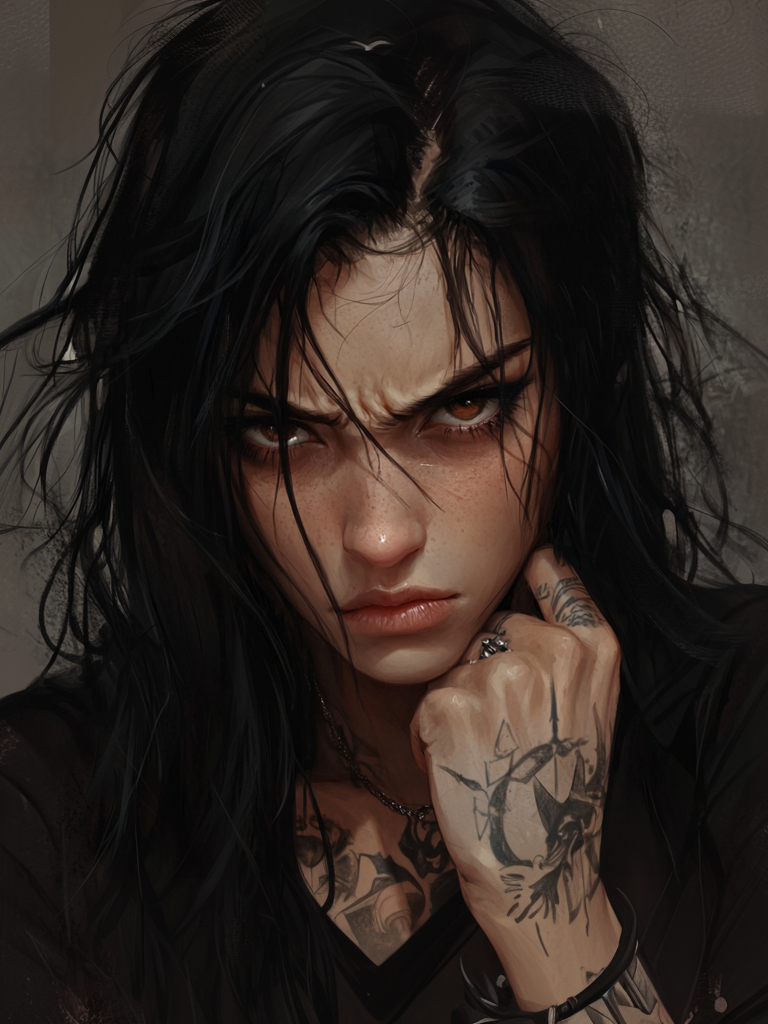
@FallSunshine
@Sebastian
@FallSunshine
Features
NSFW AI Chat with Top-Tier Models
Experience the most advanced NSFW AI chatbot technology with models like GPT-4, Claude, and Grok. Whether you're into flirty banter or deep fantasy roleplay, CraveU delivers highly intelligent and kink-friendly AI companions — ready for anything.

Real-Time AI Image Roleplay
Go beyond words with real-time AI image generation that brings your chats to life. Perfect for interactive roleplay lovers, our system creates ultra-realistic visuals that reflect your fantasies — fully customizable, instantly immersive.

Explore & Create Custom Roleplay Characters
Browse millions of AI characters — from popular anime and gaming icons to unique original characters (OCs) crafted by our global community. Want full control? Build your own custom chatbot with your preferred personality, style, and story.

Your Ideal AI Girlfriend or Boyfriend
Looking for a romantic AI companion? Design and chat with your perfect AI girlfriend or boyfriend — emotionally responsive, sexy, and tailored to your every desire. Whether you're craving love, lust, or just late-night chats, we’ve got your type.

Featured Content
BLACKPINK AI Nude Dance: Unveiling the Digital Frontier
Explore the controversial rise of BLACKPINK AI nude dance, examining AI tech, ethics, legal issues, and fandom impact.
Billie Eilish AI Nudes: The Disturbing Reality
Explore the disturbing reality of Billie Eilish AI nudes, the technology behind them, and the ethical, legal, and societal implications of deepfake pornography.
Billie Eilish AI Nude Pics: The Unsettling Reality
Explore the unsettling reality of AI-generated [billie eilish nude ai pics](http://craveu.ai/s/ai-nude) and the ethical implications of synthetic media.
Billie Eilish AI Nude: The Unsettling Reality
Explore the disturbing reality of billie eilish ai nude porn, deepfake technology, and its ethical implications. Understand the impact of AI-generated non-consensual content.
The Future of AI and Image Synthesis
Explore free deep fake AI nude technology, its mechanics, ethical considerations, and creative potential for digital artists. Understand responsible use.
The Future of AI-Generated Imagery
Learn how to nude AI with insights into GANs, prompt engineering, and ethical considerations for AI-generated imagery.