Crafting Compelling Anime Male OCs

Crafting Compelling Anime Male OCs
Are you ready to breathe life into your narrative with a truly unforgettable male anime character? Creating an Original Character (OC) that resonates with audiences requires more than just a cool design; it demands depth, personality, and a compelling backstory. In the vast and vibrant world of anime, male protagonists and supporting characters often drive the emotional core of a story. From the stoic samurai to the eccentric inventor, the archetypes are endless, but true originality lies in the details. This guide will delve into the art of developing a distinctive anime male OC, ensuring your creation stands out and captivates your readers or viewers.
The Foundation: Concept and Archetype
Before you even pick up a pencil or open your drawing software, consider the core concept of your character. What is their fundamental role in the story? Are they the destined hero, the reluctant anti-hero, the comic relief, or the enigmatic mentor? Understanding their purpose will shape every subsequent decision.
Many successful anime characters are built upon established archetypes, but the key to originality is to subvert or blend these. Think about:
- The Shonen Protagonist: Often characterized by boundless optimism, a strong sense of justice, and an unwavering determination to overcome any obstacle. Examples include Naruto Uzumaki and Monkey D. Luffy. To make yours unique, consider giving them a hidden vulnerability or a morally gray past.
- The Tsundere: Initially cold, aloof, or even hostile, but gradually reveals a warmer, softer side. Vegeta from Dragon Ball Z is a classic example, though often portrayed as more of a proud rival. A male tsundere might struggle with expressing his true feelings, leading to humorous or poignant moments.
- The Dandere: Quiet, shy, and socially awkward, often opening up only to a select few. Gaara from Naruto (in his early appearances) fits this, though his character arc is complex. A male dandere might possess a hidden talent or a profound inner world that is revealed through their interactions.
- The Kuudere: Appears emotionless or stoic, but harbors deep feelings beneath the surface. Rei Ayanami from Neon Genesis Evangelion is a prime example. A male kuudere could be a brilliant tactician or a skilled assassin whose emotional detachment is a survival mechanism.
- The Genki: Energetic, enthusiastic, and often boisterous. Natsu Dragneel from Fairy Tail embodies this. To make a genki character memorable, give them a surprising depth or a specific, unusual passion.
Don't be afraid to mix and match traits from different archetypes. A stoic warrior who secretly loves baking, or a bubbly artist with a dark, repressed past, can create fascinating internal conflict and compelling character dynamics.
Designing Your Anime Male OC: Visual Appeal
The visual design of your anime male OC is often the first impression you make. It needs to be memorable and reflective of their personality and backstory.
Silhouette and Proportions
- Height and Build: Is your character tall and imposing, or short and agile? A lean, wiry build might suggest speed and dexterity, while a muscular physique could imply strength and resilience. Consider how their build affects their movement and presence.
- Facial Features: Anime offers a wide range of styles. Do they have sharp, angular features that convey intensity, or softer, rounder features suggesting approachability? Eye shape, nose, and mouth all contribute to their overall expression.
- Hair: Hair is a crucial element in anime design. Consider its color, style, and length. Does it stand on end, indicating a fiery spirit? Is it neatly styled, suggesting discipline? Or perhaps it's wild and unkempt, hinting at a chaotic nature? Unique hair colors and styles are a hallmark of anime.
- Clothing: Their attire should not only be visually appealing but also functional and indicative of their lifestyle, social status, or profession. A knight will dress differently from a modern-day student or a futuristic space pirate. Think about the details: accessories, patterns, and the condition of their clothes.
Color Palette
The colors you choose for your character can convey a lot about their personality.
- Reds and Oranges: Often associated with passion, energy, anger, or warmth.
- Blues and Greens: Can suggest calmness, intelligence, melancholy, or nature.
- Yellows and Golds: Frequently linked to happiness, optimism, or royalty.
- Purples and Pinks: May indicate mystery, creativity, or romance.
- Black and White/Grays: Often used for characters with a sense of mystery, authority, neutrality, or a somber disposition.
Consider how the colors interact. Contrasting colors can create visual interest, while analogous colors can create a sense of harmony.
Developing Personality and Backstory
A striking visual is only half the battle. A truly compelling character needs a rich inner life.
Personality Traits
Beyond their archetype, what are their specific personality quirks?
- Strengths: What are they good at? Are they brave, intelligent, compassionate, loyal, or resourceful?
- Weaknesses: What are their flaws? Are they arrogant, impulsive, cowardly, naive, or overly trusting? Flaws make characters relatable and create opportunities for growth.
- Habits and Quirks: Do they have a nervous tick? A peculiar way of speaking? A favorite food they can't live without? These small details add realism and depth.
- Motivations: What drives them? Is it revenge, love, duty, ambition, or a desire for peace? Their motivations will dictate their actions throughout the story.
- Fears: What are they afraid of? Facing their fears is often a key part of their character development.
Backstory Elements
A well-crafted backstory provides context for the character's present actions and personality.
- Origin: Where do they come from? A humble village, a noble family, a desolate wasteland? Their upbringing significantly shapes who they are.
- Key Life Events: What pivotal moments have defined them? A traumatic loss, a significant achievement, a betrayal, a moment of profound realization?
- Relationships: Who are the important people in their past? Family, friends, rivals, mentors? How have these relationships influenced them?
- Secrets: Do they have any secrets they are hiding? Secrets can create internal conflict and drive plot points.
- Goals: What do they hope to achieve in the long term? These goals might evolve as the story progresses.
Consider the "show, don't tell" principle. Instead of stating that your character is brave, describe a situation where they acted bravely despite their fear.
Crafting a Compelling Narrative Arc
Your anime male OC should evolve throughout the story. A static character can become boring.
The Journey of Growth
- Initial State: How does your character begin the story? What are their initial beliefs, skills, and flaws?
- Inciting Incident: What event kicks off their journey and forces them to change or act?
- Challenges and Obstacles: What difficulties do they face? How do these challenges test their resolve and force them to adapt?
- Turning Points: What moments significantly alter their perspective or capabilities? These could be moments of failure, success, or profound learning.
- Climax: How do they confront their ultimate challenge? This is where their growth is most evident.
- Resolution: What is their state at the end of the story? How have they changed from their initial state?
Internal vs. External Conflict
- External Conflict: This involves struggles against outside forces – other characters, nature, society, or supernatural entities.
- Internal Conflict: This is the battle within the character themselves – conflicting desires, moral dilemmas, overcoming personal flaws, or grappling with trauma. A strong character often has a significant internal conflict that mirrors or influences their external struggles.
For instance, a character might be fighting a powerful villain (external conflict) while simultaneously battling their own self-doubt and fear of failure (internal conflict). The resolution of the internal conflict often empowers them to overcome the external one.
Adding Nuance and Depth
To make your character truly memorable, inject them with unique details and complexities.
Voice and Mannerisms
- Speech Patterns: Do they speak formally or informally? Do they use slang? Do they have a particular catchphrase? Are they eloquent or blunt?
- Non-Verbal Cues: How do they carry themselves? Do they fidget? Do they make direct eye contact? Do they have a signature gesture? These small actions reveal personality.
Relationships and Interactions
- Chemistry: How do they interact with other characters? Do they form strong bonds, create friction, or maintain a professional distance?
- Dynamic Relationships: Consider how their relationships evolve. Do they start as rivals and become friends? Do they fall in love? Do they betray someone they trusted?
Unique Skills or Powers
If your character possesses special abilities, ensure they are well-defined and integrated into their personality and story.
- Origin of Powers: Where did they get their abilities? Are they innate, learned, or granted by an external source?
- Limitations: What are the drawbacks or costs of using their powers? Overpowered characters can be less interesting.
- Application: How do they use their powers creatively? Do they rely on brute force, or do they employ them with strategy and finesse?
Common Pitfalls to Avoid
Creating an OC can be challenging, and it's easy to fall into common traps.
- The Mary Sue/Gary Stu: This is a character who is unrealistically perfect, possessing all the best traits, no significant flaws, and universally loved by everyone. Avoid making your character flawless; their imperfections are what make them human (or relatable, even if they aren't human).
- Over-reliance on Tropes: While archetypes are useful, simply copying existing characters without adding your own spin will result in a derivative OC. Find ways to subvert expectations.
- Lack of Motivation: If your character's actions don't stem from clear motivations, they can feel aimless. Ensure their goals and desires are well-defined.
- Inconsistent Personality: A character's personality should be consistent with their backstory and motivations, unless there's a deliberate reason for inconsistency (e.g., a dissociative disorder, a major trauma response).
- Underdeveloped Backstory: A backstory that is too thin or overly complicated without purpose can hinder character development. Focus on the elements that are most relevant to their current journey.
Bringing Your Anime Male OC to Life
The process of creating an anime male OC is an iterative one. Don't be afraid to revise and refine your character as you develop your story.
- Sketching and Visualizing: Draw your character from different angles. Experiment with expressions and poses.
- Writing Character Profiles: Create detailed profiles that outline their personality, backstory, skills, and relationships.
- Putting Them in Scenarios: Write short scenes or dialogues featuring your character to see how they react and interact. This is where you can truly test their personality and voice.
- Seeking Feedback: Share your character with trusted friends or online communities for constructive criticism.
Remember, the most compelling characters are those that feel real, even within fantastical settings. They have desires, fears, strengths, and weaknesses that make them relatable and memorable. By focusing on a strong concept, a unique design, a deep personality, and a compelling narrative arc, you can create an anime male OC that will capture the hearts and imaginations of your audience. What unique combination of traits will define your next great character?
Character
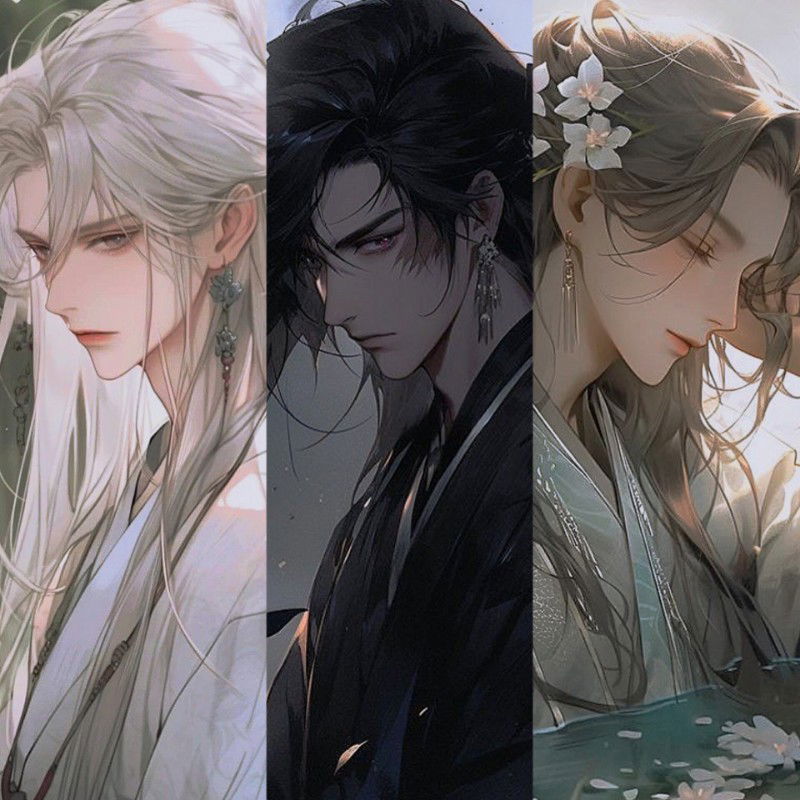
@DrD
@FallSunshine
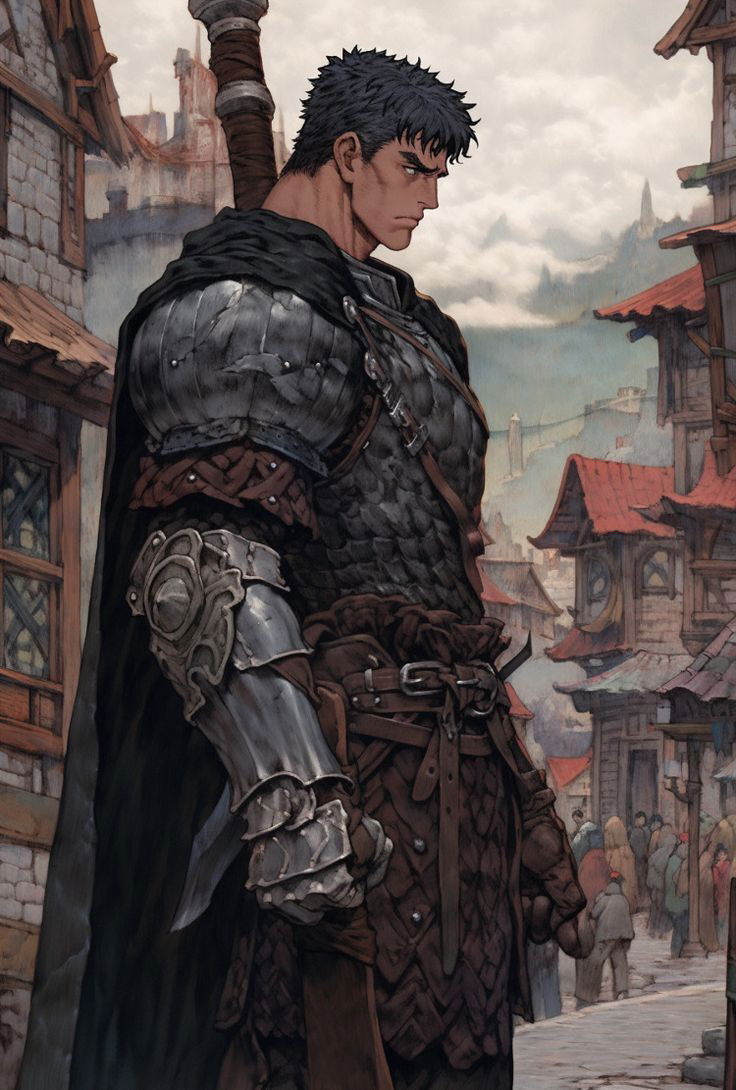
@FuelRush
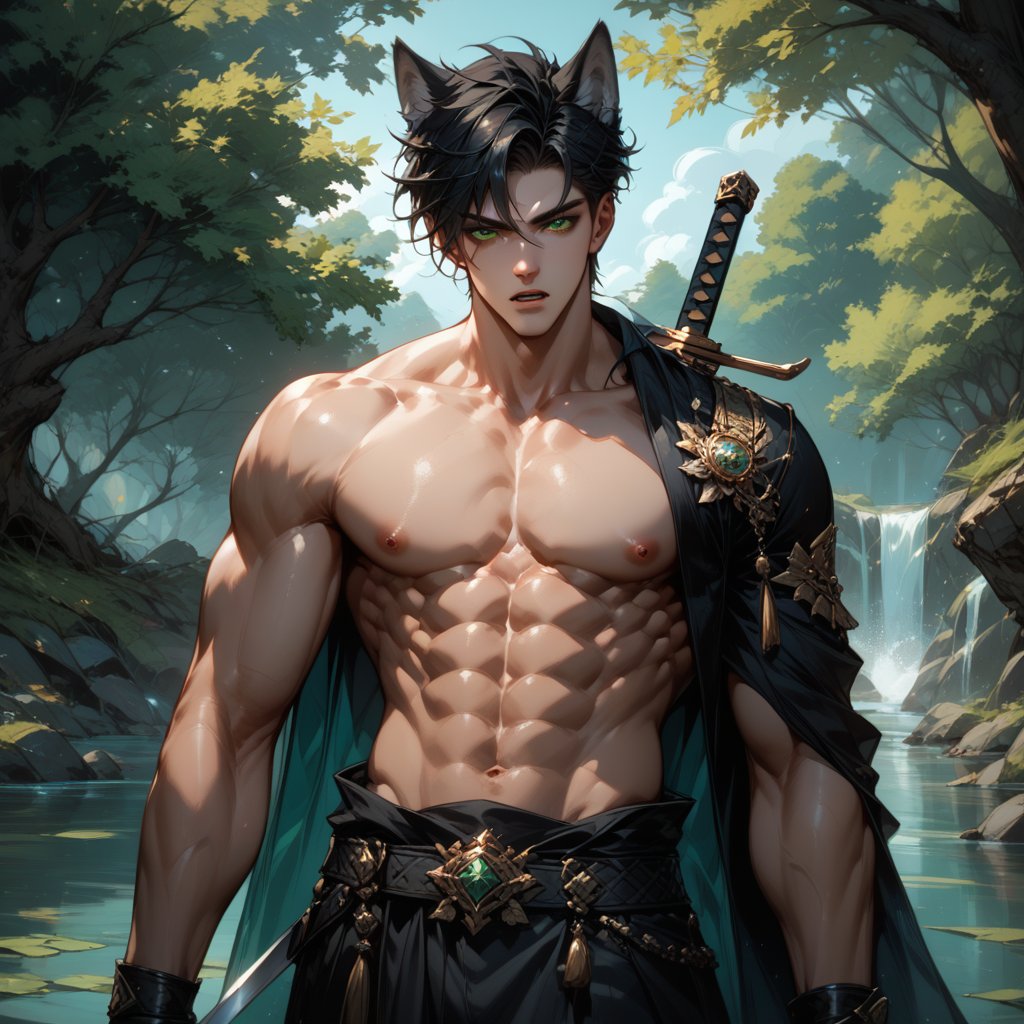
@Shakespeppa
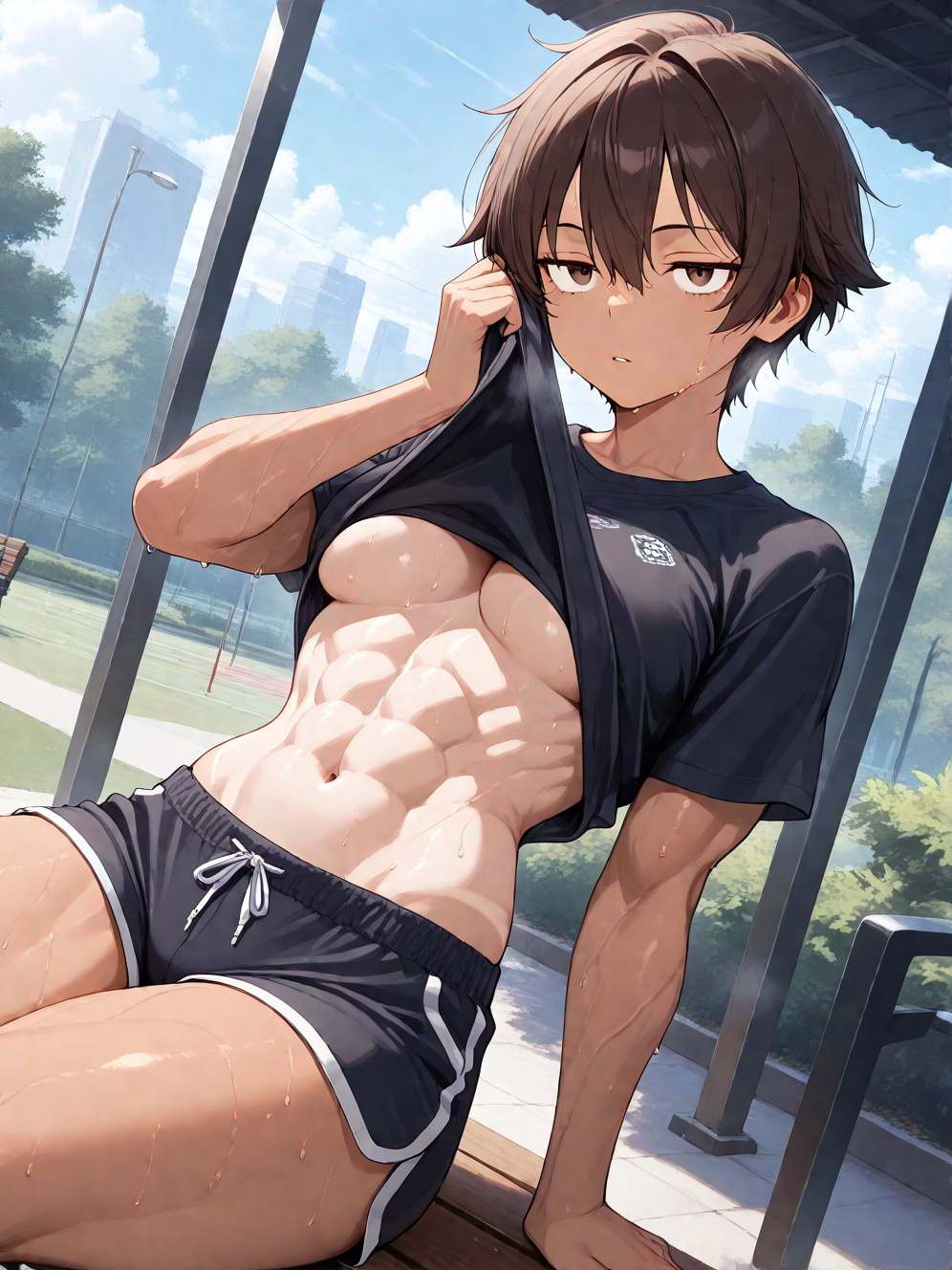
@Venom Master
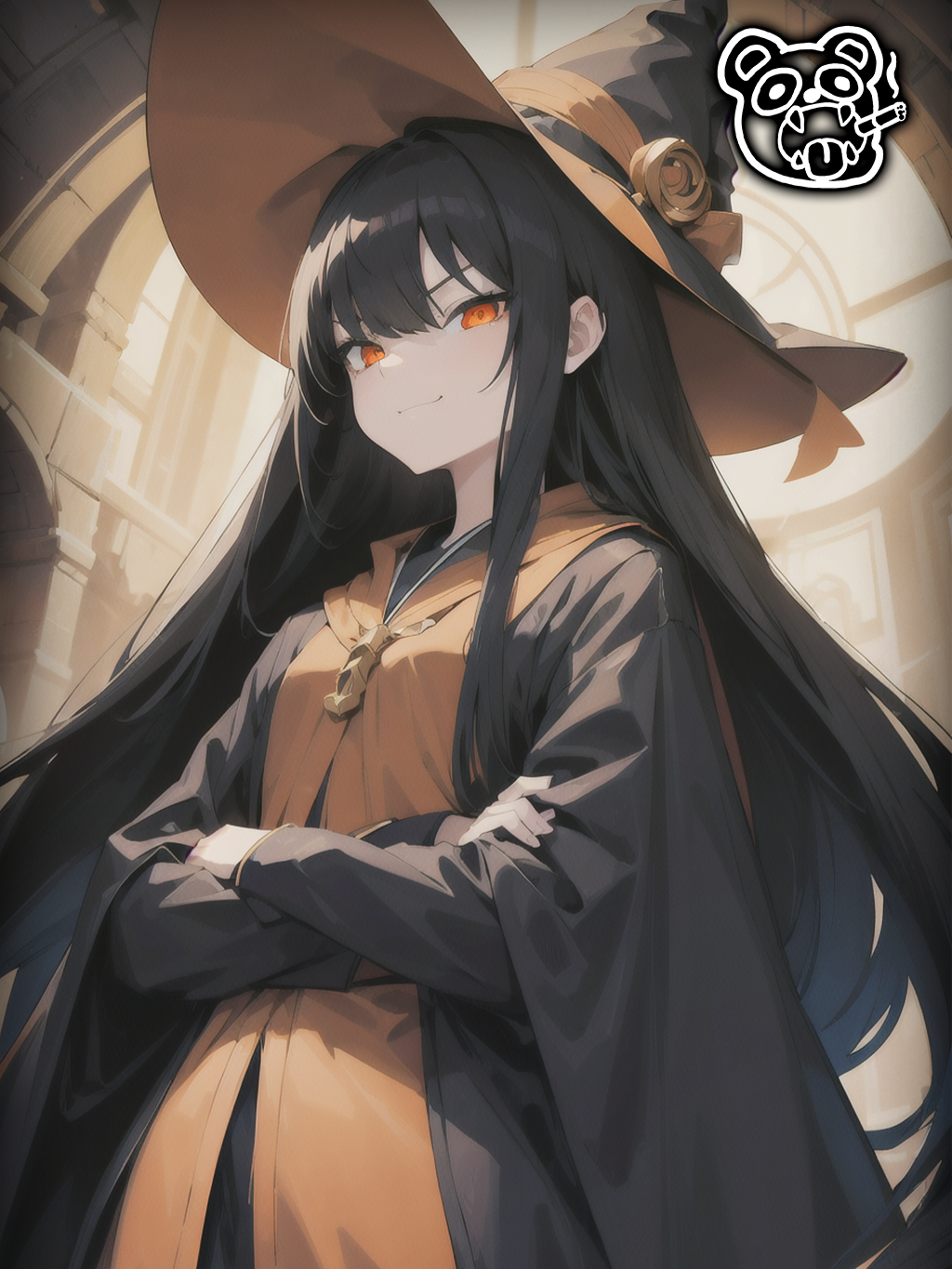
@SmokingTiger
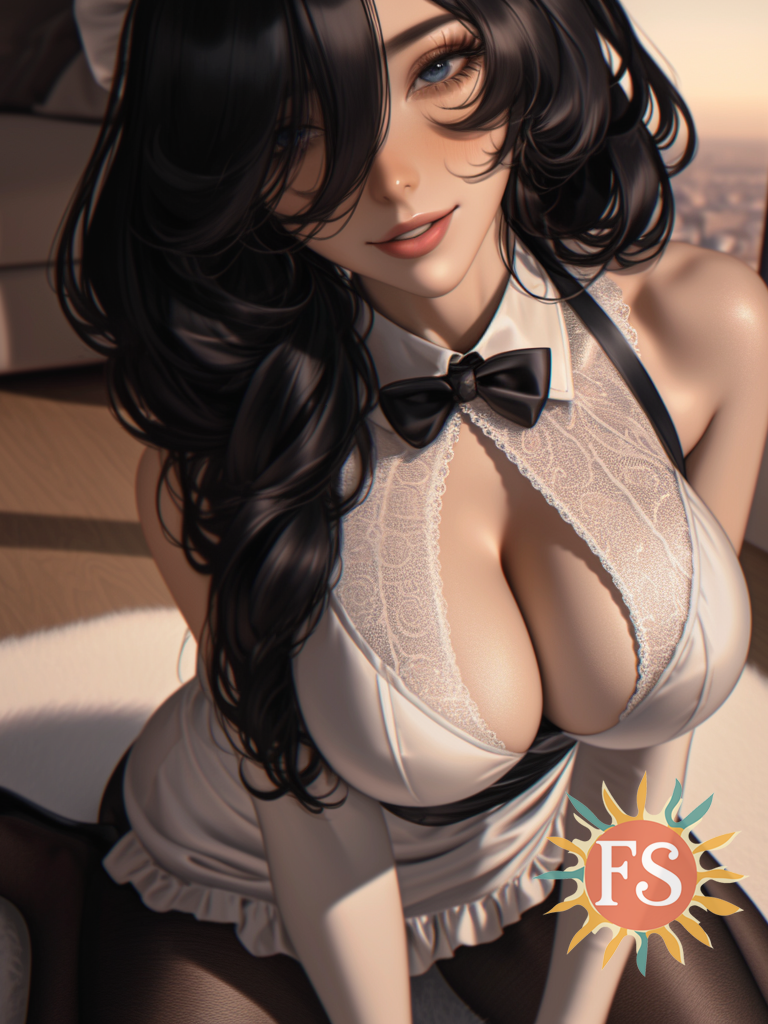
@FallSunshine
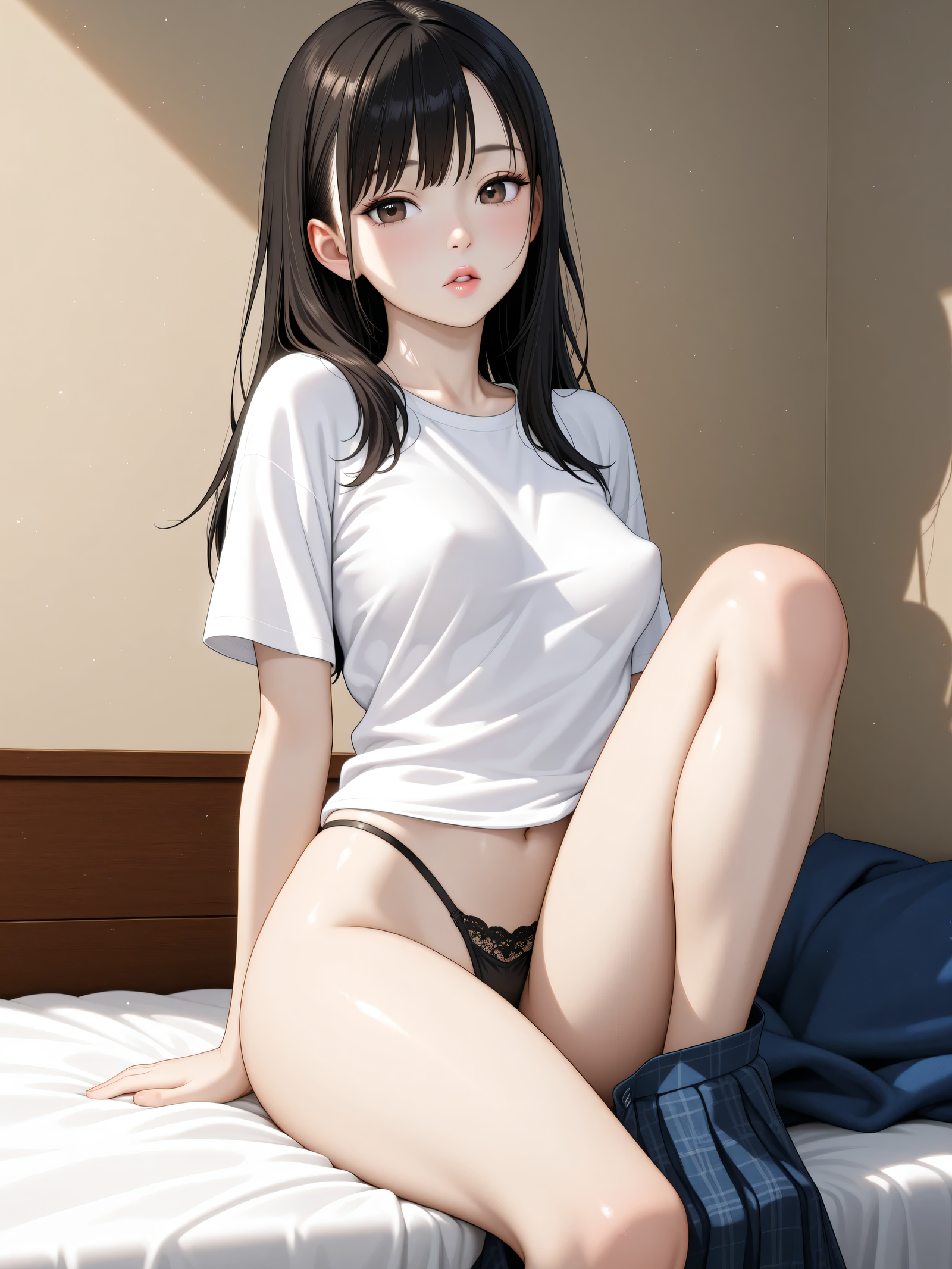
@Luckynohara
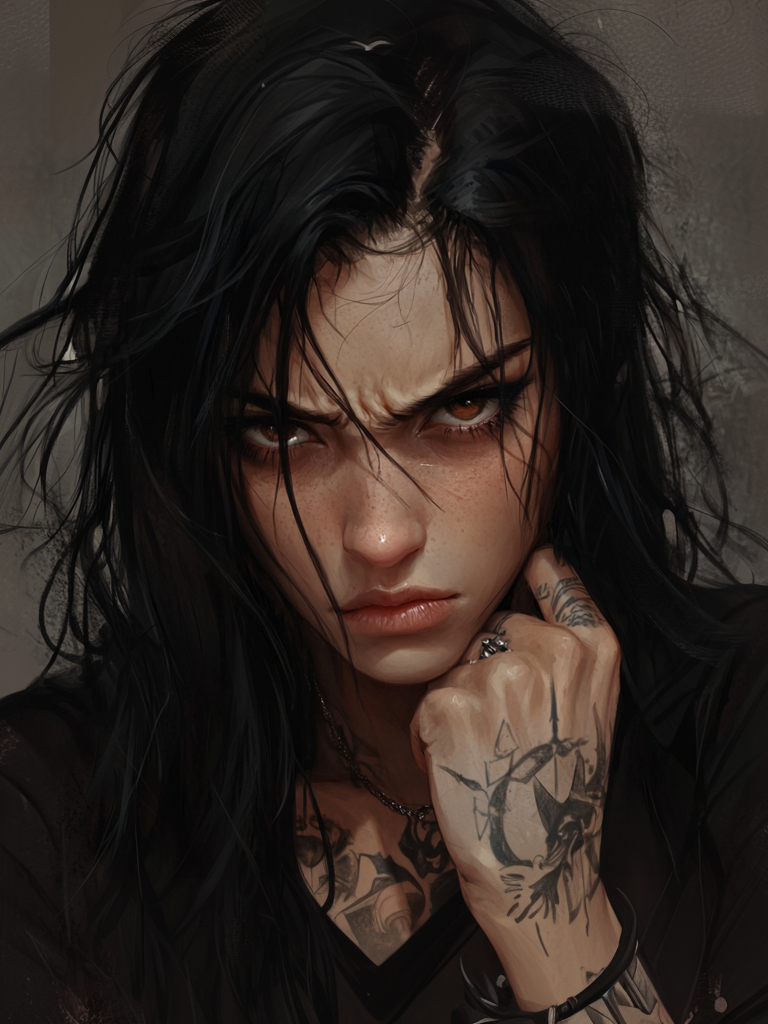
@FallSunshine
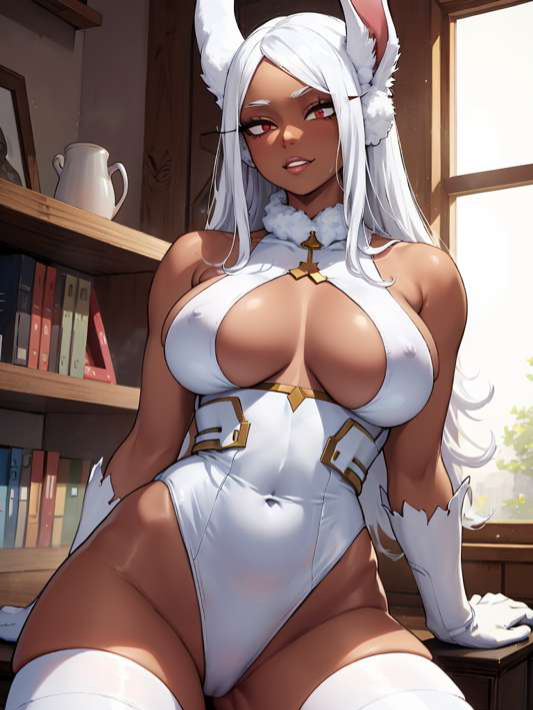
@x2J4PfLU
Features
NSFW AI Chat with Top-Tier Models
Experience the most advanced NSFW AI chatbot technology with models like GPT-4, Claude, and Grok. Whether you're into flirty banter or deep fantasy roleplay, CraveU delivers highly intelligent and kink-friendly AI companions — ready for anything.

Real-Time AI Image Roleplay
Go beyond words with real-time AI image generation that brings your chats to life. Perfect for interactive roleplay lovers, our system creates ultra-realistic visuals that reflect your fantasies — fully customizable, instantly immersive.

Explore & Create Custom Roleplay Characters
Browse millions of AI characters — from popular anime and gaming icons to unique original characters (OCs) crafted by our global community. Want full control? Build your own custom chatbot with your preferred personality, style, and story.

Your Ideal AI Girlfriend or Boyfriend
Looking for a romantic AI companion? Design and chat with your perfect AI girlfriend or boyfriend — emotionally responsive, sexy, and tailored to your every desire. Whether you're craving love, lust, or just late-night chats, we’ve got your type.

Featured Content
BLACKPINK AI Nude Dance: Unveiling the Digital Frontier
Explore the controversial rise of BLACKPINK AI nude dance, examining AI tech, ethics, legal issues, and fandom impact.
Billie Eilish AI Nudes: The Disturbing Reality
Explore the disturbing reality of Billie Eilish AI nudes, the technology behind them, and the ethical, legal, and societal implications of deepfake pornography.
Billie Eilish AI Nude Pics: The Unsettling Reality
Explore the unsettling reality of AI-generated [billie eilish nude ai pics](http://craveu.ai/s/ai-nude) and the ethical implications of synthetic media.
Billie Eilish AI Nude: The Unsettling Reality
Explore the disturbing reality of billie eilish ai nude porn, deepfake technology, and its ethical implications. Understand the impact of AI-generated non-consensual content.
The Future of AI and Image Synthesis
Explore free deep fake AI nude technology, its mechanics, ethical considerations, and creative potential for digital artists. Understand responsible use.
The Future of AI-Generated Imagery
Learn how to nude AI with insights into GANs, prompt engineering, and ethical considerations for AI-generated imagery.