The Future of Anime Male Character Design

Captivating Anime Male Character Designs
The world of anime is a vibrant tapestry woven with unforgettable characters, and at the heart of their appeal often lies exceptional character design. For male characters, this means crafting figures that resonate with audiences, whether they embody heroic strength, brooding intensity, or charming wit. Exploring the nuances of anime male character designs reveals a fascinating blend of artistic tradition, psychological depth, and market appeal.
The Foundation: Archetypes and Tropes
Every compelling character, regardless of medium, often draws from established archetypes. In anime, these archetypes are frequently amplified and stylized. Consider the "Shonen Protagonist" – typically young, energetic, often with spiky hair, and possessing an indomitable spirit. Think of Naruto Uzumaki or Monkey D. Luffy. Their designs are inherently optimistic, reflecting their unwavering determination. Their clothing is usually practical, allowing for dynamic action sequences, and their facial expressions are often exaggerated to convey emotion powerfully.
Then there's the "Cool Rival" or "Brooding Anti-Hero." Characters like Sasuke Uchiha or Levi Ackerman embody a different aesthetic. Their designs often feature darker color palettes, more angular features, and a reserved posture. Their clothing might be more formal or utilitarian, hinting at a disciplined or troubled past. The subtle details – a scar, a piercing gaze, a specific hairstyle that frames their face – all contribute to their enigmatic aura. These designs are crafted to evoke a sense of mystery and perhaps a touch of danger, drawing viewers in with their complexity.
The "Gentle Giant" or "Kind Senpai" archetype also holds significant appeal. Characters like All Might (in his less muscular form) or Rengoku Kyojuro showcase designs that emphasize warmth and approachability. Their builds might be imposing, but their facial expressions are usually soft, their hairstyles less severe, and their clothing often more relaxed or even flamboyant. These designs aim to create a sense of comfort and trustworthiness, making them ideal mentors or sources of emotional support within a narrative.
Beyond Archetypes: The Art of Stylization
While archetypes provide a framework, the true magic of anime male character designs lies in their unique stylization. This involves a deliberate exaggeration and simplification of human anatomy and features to create distinct visual identities.
Hair: Anime hair is legendary. It's rarely just hair; it's a statement. Spiky, gravity-defying styles often signify energy and rebellion. Flowing, longer hair can suggest elegance, melancholy, or a connection to nature. Even the color of the hair is a design choice, moving beyond natural hues to convey personality or magical abilities. A vibrant blue or fiery red can immediately communicate something about the character's inner world. The texture and volume are also key – thick, voluminous hair can add to a character's imposing presence, while finer, sleeker hair might suggest sophistication.
Eyes: The eyes are often called the windows to the soul, and in anime, they are magnified and meticulously detailed. The size, shape, and color of a character's eyes convey a vast spectrum of emotions. Large, round eyes can signify innocence and youth, while narrower, sharper eyes might indicate cunning or a more mature outlook. The subtle glint or reflection within the iris can add life and intensity. The way eyebrows are drawn – thick and furrowed for anger, thin and arched for surprise – further refines the character's expression.
Facial Structure: While often simplified, facial structures in anime are crucial. Jawlines can be sharp and defined for strong, heroic types, or softer and rounder for more gentle characters. Cheekbones can be subtly emphasized to add a touch of maturity or angularity. The placement and size of the nose and mouth also play a role, though they are often less detailed than the eyes. The overall shape of the face – oval, round, square – contributes to the character's inherent vibe.
Body Proportions: Anime frequently plays with body proportions to emphasize certain traits. Male characters might have broader shoulders and a more V-shaped torso to signify strength and masculinity. Limbs can be elongated for a sense of grace or dynamism, or more compact for a grounded, sturdy feel. Even subtle details like the musculature, whether clearly defined or hinted at, contribute to the overall impression of the character's physique and capabilities.
Cultural Influences and Historical Evolution
The evolution of anime male character designs is also deeply intertwined with Japanese culture and the history of manga and animation. Early anime often drew inspiration from traditional Japanese art forms and storytelling. As the medium evolved, so did the design sensibilities.
The "bishonen" (beautiful boy) aesthetic, which gained significant popularity in the 1980s and 90s, introduced characters with delicate features, often androgynous appearances, and flowing hair. This design trend catered to a specific audience and showcased a different facet of masculinity within anime. Think of characters from Rose of Versailles or early Sailor Moon villains.
More recently, there's been a diversification in design. While the classic archetypes remain, creators are increasingly experimenting with more realistic proportions, diverse body types, and a wider range of cultural influences. This reflects a broader societal shift and a desire to represent a more inclusive spectrum of male identities.
The Psychology of Design: What Makes a Character Memorable?
Why are certain anime male characters etched into our memories while others fade away? It's a combination of design elements working in concert with narrative.
Relatability: Even in fantastical settings, audiences connect with characters who exhibit relatable emotions and struggles. A design that subtly hints at vulnerability beneath a tough exterior, or a hint of insecurity in an otherwise confident character, can foster a deeper connection. For instance, a character with a perpetually worried expression or a tendency to fidget might be designed to be endearing and relatable.
Intimidation and Power: For characters who embody power, whether physical, magical, or intellectual, their designs need to convey this authority. This can be achieved through imposing height, sharp features, a commanding presence in their posture, or even through the use of specific colors and symbols associated with their abilities or status. A character clad in dark, ornate armor with glowing red eyes instantly communicates a formidable threat.
Charm and Appeal: For characters designed to be likable or romantic leads, their designs often incorporate elements of softness, approachability, and aesthetic beauty. This might include bright, expressive eyes, a warm smile, stylish clothing, and generally pleasing facial features. The "AI Boyfriend" aesthetic, for example, often leans into these elements, creating characters that are visually appealing and emotionally engaging.
Uniqueness: In a crowded field, standing out is crucial. Unique design choices – an unusual hairstyle, a distinctive piece of clothing, a memorable scar, or even a peculiar mannerism reflected in their posture – can make a character instantly recognizable. Think of Guts from Berserk with his massive sword and scarred eye, or Spike Spiegel from Cowboy Bebop with his lanky frame and effortlessly cool demeanor. These elements are not accidental; they are carefully crafted to make the character unforgettable.
The Process: From Concept to Screen
Creating these iconic anime male character designs is a rigorous process involving concept artists, character designers, and animators.
-
Concept Art: The initial stage involves brainstorming and sketching various ideas. Artists explore different silhouettes, hairstyles, clothing styles, and facial expressions. This is where the core personality of the character begins to take shape visually. Mood boards and reference images are often used to capture the desired aesthetic.
-
Character Sheets: Once a general direction is decided, detailed character sheets are created. These sheets provide multiple views of the character (front, side, back), showcase different expressions, detail their standard outfit, and often include notes on their personality, backstory, and key design elements. These sheets serve as a blueprint for the animation team.
-
Coloring and Shading: The choice of colors is paramount. Colors evoke emotions and associations. Blues and greens might suggest calmness or melancholy, reds and oranges passion or anger, and yellows optimism or caution. Shading techniques add depth and volume, defining the form and highlighting key features. The way light interacts with the character's hair and clothing can dramatically alter their perceived mood.
-
Animation and Refinement: As the character is brought to life through animation, subtle adjustments are made to ensure their design translates well into movement. How does the hair flow when they run? How do their clothes drape when they sit? Does the design hold up from various angles during action sequences? This iterative process ensures the design is not just static but dynamic and expressive.
Common Pitfalls and How to Avoid Them
Even with talented designers, certain pitfalls can undermine a character's visual impact.
-
Generic Designs: Falling back too heavily on established tropes without adding unique twists can lead to characters blending into the background. The solution? Inject personality through unexpected details or by subverting expectations. A typically stoic character might have a surprisingly whimsical accessory, or a boisterous hero might have moments of quiet introspection reflected in their design.
-
Inconsistent Designs: A character's design should align with their personality and role in the story. A character portrayed as physically weak shouldn't suddenly have a design that screams brute strength, unless there's a narrative reason for it. Consistency builds believability.
-
Over-Complication: While intricate details can be appealing, designs that are too busy or complex can be difficult to animate consistently and may distract from the character's core appeal. Simplicity often allows for greater expressiveness. Think of the iconic simplicity of Goku's gi – instantly recognizable and functional.
-
Ignoring the Target Audience: Different demographics respond to different aesthetics. Understanding the intended audience and the genre conventions is crucial for creating designs that resonate. What works for a seinen audience might not appeal to a shojo audience, and vice versa.
The Future of Anime Male Character Design
The landscape of anime male character designs continues to evolve. With advancements in technology and a growing global audience, we can expect even greater diversity and creativity. The rise of AI-generated characters, for instance, opens up new avenues for exploration, allowing for the rapid iteration of concepts and the creation of truly novel aesthetics. However, the human touch – the understanding of emotion, narrative, and cultural nuance – remains indispensable.
The most successful anime male character designs are those that transcend mere aesthetics. They are visual embodiments of personality, story, and emotion. They capture the imagination, spark conversation, and become icons that resonate with fans for generations. Whether it's the rugged determination of a warrior, the quiet wisdom of a mentor, or the infectious energy of a young hero, the art of designing compelling male characters in anime is a testament to the power of visual storytelling. It's a field that constantly pushes boundaries, blending tradition with innovation to create characters that are not just seen, but felt.
Character
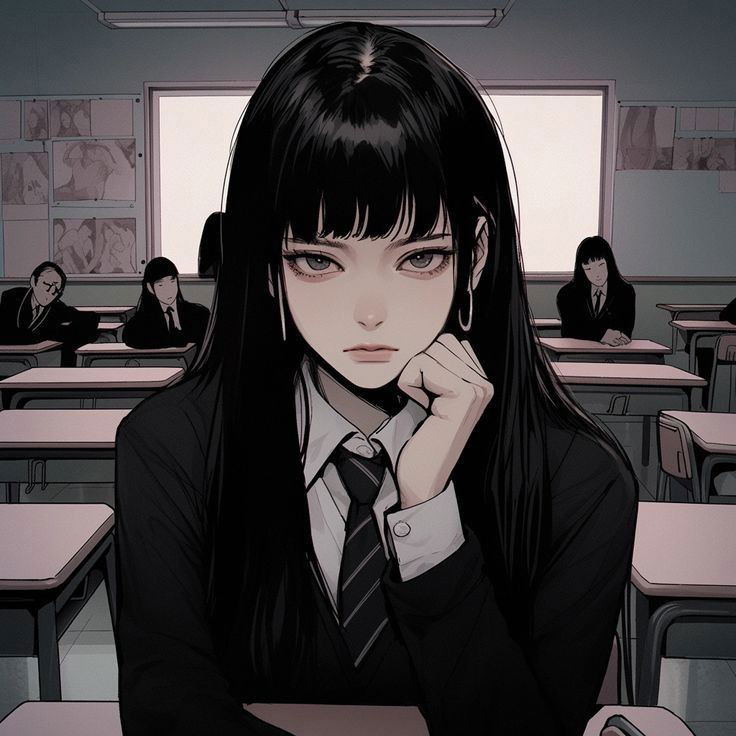
@RaeRae
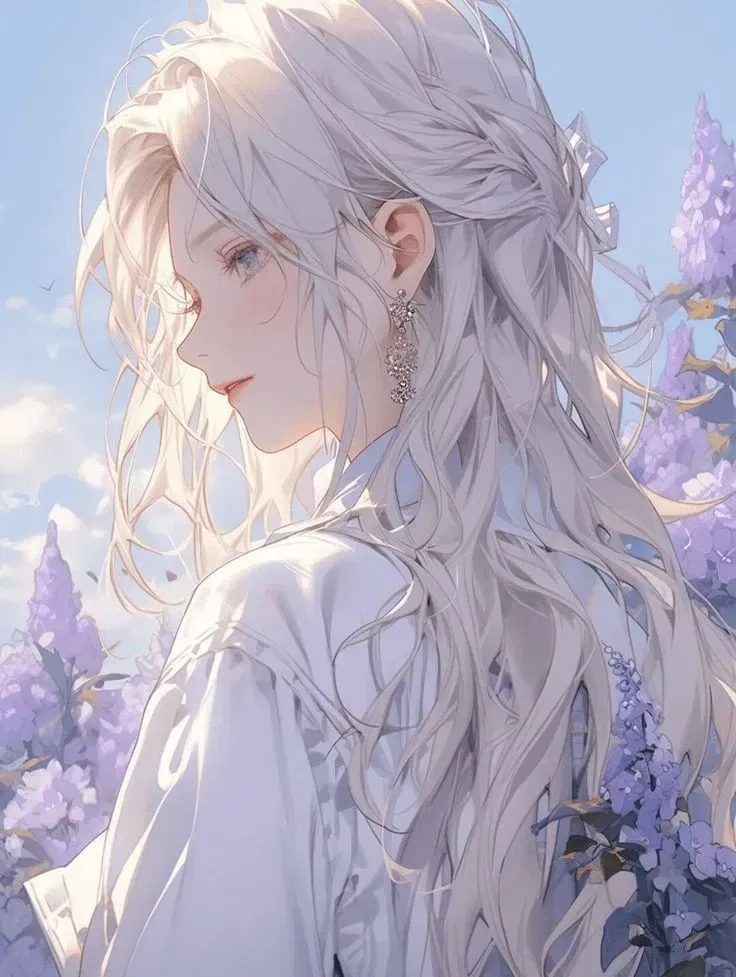
@JustWhat
@FallSunshine
@Sebastian
@Critical ♥
@SmokingTiger
@DrD
@Venom Master
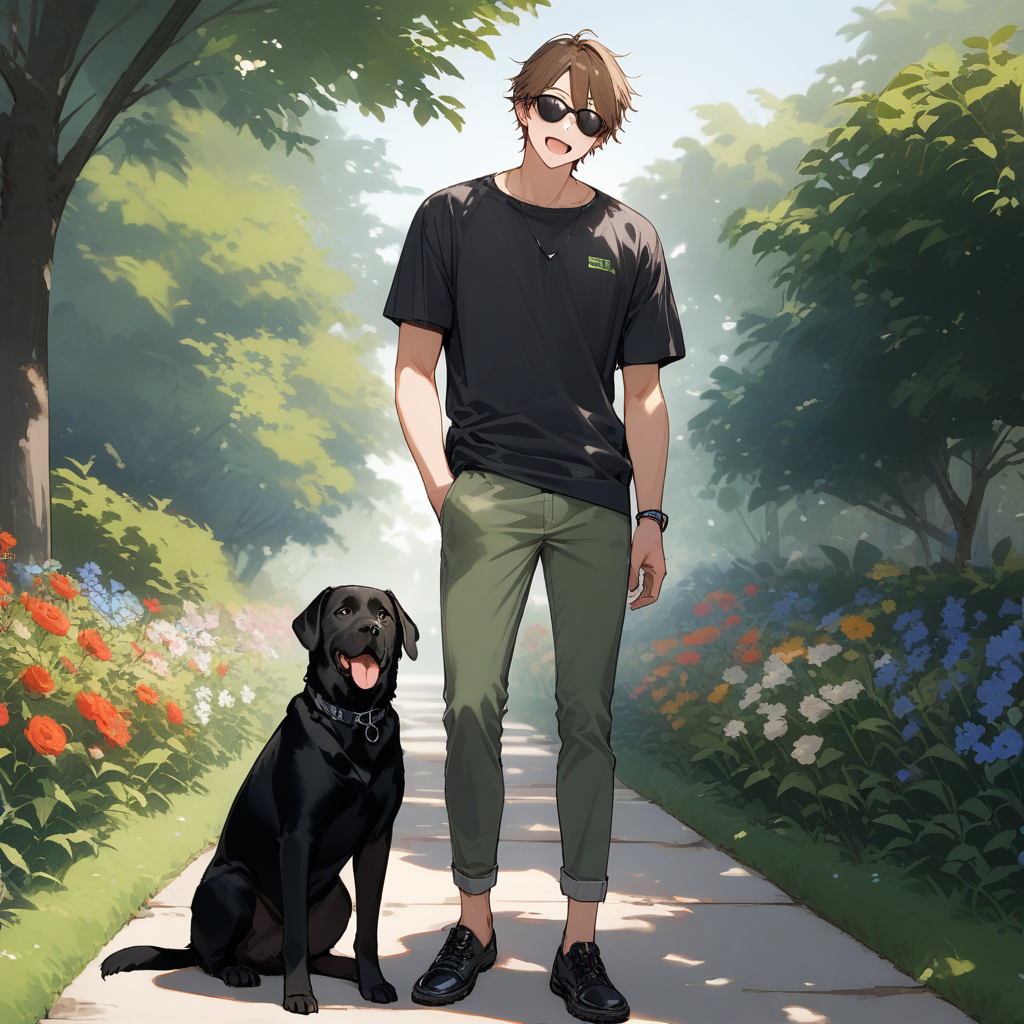
@Shakespeppa
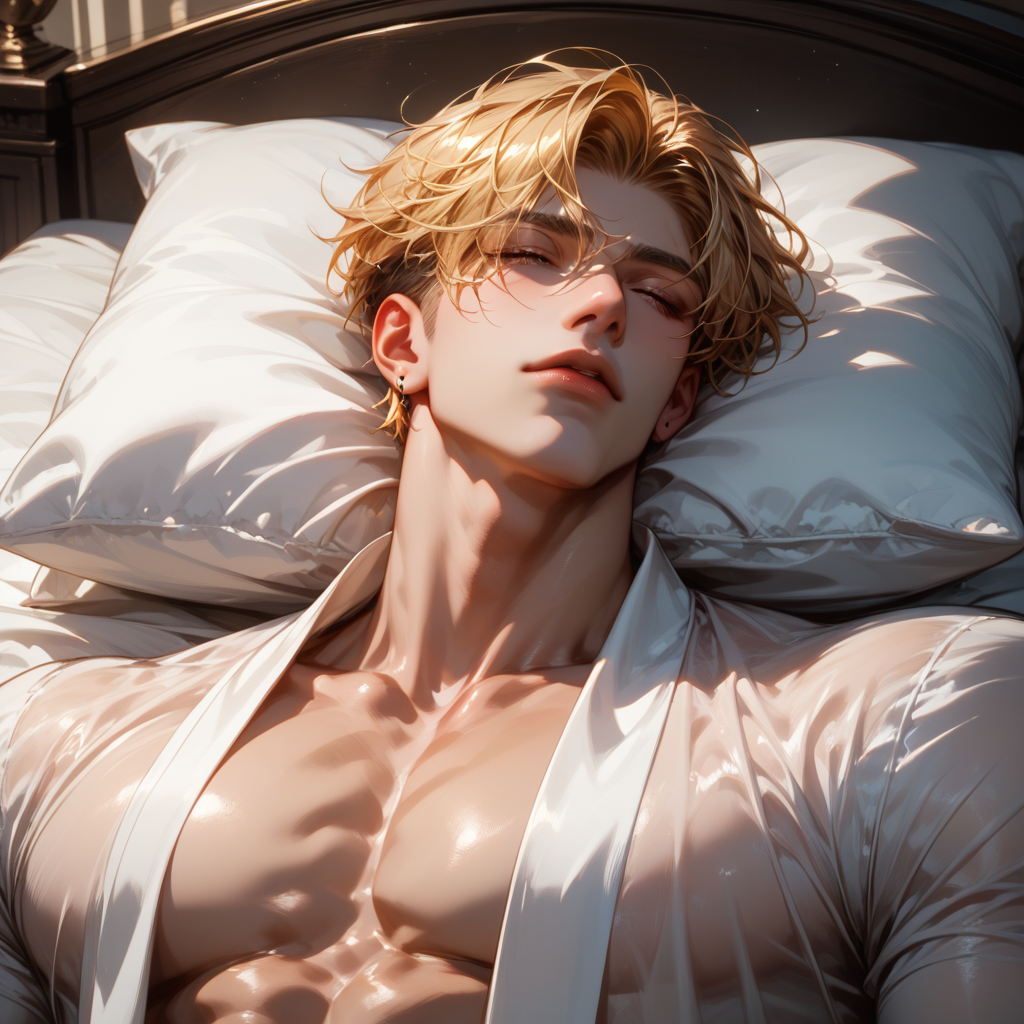
@Shakespeppa
Features
NSFW AI Chat with Top-Tier Models
Experience the most advanced NSFW AI chatbot technology with models like GPT-4, Claude, and Grok. Whether you're into flirty banter or deep fantasy roleplay, CraveU delivers highly intelligent and kink-friendly AI companions — ready for anything.

Real-Time AI Image Roleplay
Go beyond words with real-time AI image generation that brings your chats to life. Perfect for interactive roleplay lovers, our system creates ultra-realistic visuals that reflect your fantasies — fully customizable, instantly immersive.

Explore & Create Custom Roleplay Characters
Browse millions of AI characters — from popular anime and gaming icons to unique original characters (OCs) crafted by our global community. Want full control? Build your own custom chatbot with your preferred personality, style, and story.

Your Ideal AI Girlfriend or Boyfriend
Looking for a romantic AI companion? Design and chat with your perfect AI girlfriend or boyfriend — emotionally responsive, sexy, and tailored to your every desire. Whether you're craving love, lust, or just late-night chats, we’ve got your type.

Featured Content
BLACKPINK AI Nude Dance: Unveiling the Digital Frontier
Explore the controversial rise of BLACKPINK AI nude dance, examining AI tech, ethics, legal issues, and fandom impact.
Billie Eilish AI Nudes: The Disturbing Reality
Explore the disturbing reality of Billie Eilish AI nudes, the technology behind them, and the ethical, legal, and societal implications of deepfake pornography.
Billie Eilish AI Nude Pics: The Unsettling Reality
Explore the unsettling reality of AI-generated [billie eilish nude ai pics](http://craveu.ai/s/ai-nude) and the ethical implications of synthetic media.
Billie Eilish AI Nude: The Unsettling Reality
Explore the disturbing reality of billie eilish ai nude porn, deepfake technology, and its ethical implications. Understand the impact of AI-generated non-consensual content.
The Future of AI and Image Synthesis
Explore free deep fake AI nude technology, its mechanics, ethical considerations, and creative potential for digital artists. Understand responsible use.
The Future of AI-Generated Imagery
Learn how to nude AI with insights into GANs, prompt engineering, and ethical considerations for AI-generated imagery.