AI Text to Picture: Unleash Your Imagination

AI Text to Picture: Unleash Your Imagination
The digital art landscape is undergoing a seismic shift, and at its epicenter lies the revolutionary power of AI text to picture generators. Gone are the days when visual creation was solely the domain of skilled artists with years of training. Today, anyone with a vivid imagination and a clear idea can translate their thoughts into stunning visual realities, simply by typing a descriptive prompt. This technology isn't just a novelty; it's a democratizing force, opening up creative avenues previously inaccessible to the masses.
The core of this transformation is sophisticated artificial intelligence, specifically deep learning models trained on vast datasets of images and their corresponding textual descriptions. These models learn to associate words and phrases with visual elements, styles, and compositions. When you input a text prompt, the AI analyzes your words, deconstructs the concepts, and then synthesizes an entirely new image that aims to match your description. It's a complex dance between natural language processing and generative adversarial networks (GANs) or diffusion models, resulting in outputs that can range from photorealistic to abstract, whimsical to profound.
The Evolution of AI Art Generation
The journey of AI text to picture has been rapid and exhilarating. Early iterations were often crude, producing images that were recognizable but lacked detail or coherence. Think of blurry faces, distorted limbs, and nonsensical juxtapositions. However, the pace of development has been relentless. Researchers and developers have continuously refined the algorithms, improved the training data, and introduced new architectural innovations.
We've seen the rise of models like DALL-E, Midjourney, and Stable Diffusion, each with its unique strengths and artistic sensibilities. DALL-E, developed by OpenAI, gained widespread attention for its ability to create highly imaginative and often surreal images from simple text prompts. Midjourney, on the other hand, is renowned for its artistic flair, often producing images with a painterly quality and a strong sense of atmosphere. Stable Diffusion, being open-source, has fostered a vibrant community of developers and artists who are constantly pushing its boundaries, leading to an explosion of specialized tools and custom models.
This evolution means that today's AI text to picture tools can generate incredibly detailed and nuanced visuals. You can specify artistic styles (e.g., "in the style of Van Gogh," "cyberpunk," "art deco"), lighting conditions ("golden hour," "dramatic chiaroscuro"), camera angles ("low angle shot," "overhead view"), and even emotional tones ("serene," "chaotic," "melancholy"). The level of control and the quality of the output have reached a point where AI-generated art is now being exhibited in galleries, used in professional design projects, and inspiring a new generation of digital creators.
How Does AI Text to Picture Actually Work?
At a high level, most modern AI text to picture systems utilize a process that can be broadly categorized into two main stages: understanding the text prompt and generating the image.
-
Text Encoding: When you input a text prompt, the AI first processes it using natural language processing (NLP) techniques. This involves breaking down the prompt into its constituent parts, understanding the relationships between words, and converting the text into a numerical representation (an embedding) that the AI model can understand. This embedding captures the semantic meaning of your prompt.
-
Image Generation: This is where the magic truly happens. Different AI architectures employ various methods, but a common approach involves diffusion models.
- Diffusion Models: Imagine starting with a canvas of pure static, like television snow. A diffusion model is trained to gradually remove this noise, step by step, guided by the text embedding. At each step, the AI predicts and removes a small amount of noise, progressively revealing an image that aligns with the prompt. This iterative process allows for the creation of highly detailed and coherent images.
- Generative Adversarial Networks (GANs): While diffusion models are currently dominant, GANs were pioneers in this field. A GAN consists of two neural networks: a generator and a discriminator. The generator creates images, and the discriminator tries to distinguish between real images (from the training dataset) and the fake images produced by the generator. Through this adversarial process, the generator learns to produce increasingly realistic and high-quality images.
The synergy between these components allows the AI to translate abstract concepts from your text into concrete visual elements. It's not simply finding existing images that match your words; it's creating something entirely new based on its learned understanding of the visual world.
Practical Applications and Use Cases
The impact of AI text to picture technology extends far beyond casual experimentation. Its practical applications are transforming various industries:
- Graphic Design and Marketing: Businesses can rapidly generate unique visuals for websites, social media campaigns, advertisements, and branding materials. Need a specific illustration for a blog post about sustainable energy? Simply describe it, and the AI can provide multiple options in seconds, saving significant time and cost compared to traditional illustration or stock photo sourcing.
- Content Creation: Bloggers, YouTubers, and social media influencers can create eye-catching thumbnails, featured images, and visual aids to enhance their content and engage their audience more effectively.
- Game Development: Concept artists can use AI to quickly iterate on character designs, environment concepts, and asset ideas. This accelerates the pre-production phase and allows for broader exploration of creative directions.
- Fashion and Product Design: Designers can visualize new clothing lines, product prototypes, or interior design concepts before committing to physical production. This allows for rapid prototyping and exploration of aesthetic possibilities.
- Education and Storytelling: Educators can create custom illustrations for learning materials, and writers can visualize scenes from their stories, bringing narratives to life in a compelling way.
- Personal Expression and Art: For individuals, these tools offer an accessible way to express creativity, explore artistic styles, and generate personalized artwork for personal use or sharing.
The ability to generate custom visuals on demand democratizes creative production, empowering individuals and small businesses to compete with larger entities that have more extensive design resources.
Mastering the Art of Prompt Engineering
While the AI does the heavy lifting, the quality of the output is heavily dependent on the quality of the input – specifically, the text prompt. This has given rise to the concept of "prompt engineering," a skill that involves crafting precise and descriptive prompts to guide the AI towards the desired result.
Effective prompt engineering involves several key principles:
- Specificity is Key: Instead of "a dog," try "a fluffy golden retriever puppy sitting in a field of wildflowers at sunset, with soft, warm lighting." The more details you provide, the better the AI can understand your vision.
- Describe the Style: Mentioning artistic styles, mediums (oil painting, watercolor, digital art), or even specific artists ("in the style of H.R. Giger") can dramatically alter the output's aesthetic.
- Consider Composition and Lighting: Use terms like "close-up," "wide shot," "cinematic lighting," "backlit," or "studio lighting" to influence the image's framing and mood.
- Use Negative Prompts: Many AI generators allow you to specify what you don't want in the image (e.g., "ugly, deformed, blurry, text, watermark"). This helps refine the output and avoid unwanted elements.
- Iterate and Refine: Rarely is the first prompt perfect. Experiment with different phrasing, add or remove details, and observe how the AI responds. Treat it as a collaborative process.
Learning to "speak the AI's language" through careful prompt engineering is crucial for unlocking the full potential of AI text to picture technology. It’s a blend of linguistic skill and artistic intuition.
Challenges and Ethical Considerations
Despite its incredible advancements, AI text to picture technology is not without its challenges and ethical considerations:
- Bias in Training Data: AI models are trained on existing data, which can reflect societal biases. This can lead to AI generating images that perpetuate stereotypes related to race, gender, or other characteristics. Developers are actively working to mitigate these biases, but it remains an ongoing challenge.
- Copyright and Ownership: The legal landscape surrounding AI-generated art is still evolving. Who owns the copyright to an image created by an AI? The user who wrote the prompt? The company that developed the AI? These questions are complex and have significant implications for artists and creators.
- Misinformation and Deepfakes: The ability to generate realistic images from text raises concerns about the potential for creating and spreading misinformation or malicious deepfakes. Responsible use and robust detection mechanisms are crucial.
- Impact on Artists: Some artists worry about the economic impact of AI art, fearing that it could devalue human creativity or lead to job displacement. However, many also see AI as a powerful new tool that can augment their own creative processes.
- Environmental Impact: Training large AI models requires significant computational power, which translates to substantial energy consumption and a carbon footprint. Ongoing research aims to develop more efficient AI architectures.
Addressing these issues requires a multi-faceted approach involving technological solutions, ethical guidelines, legal frameworks, and public discourse. As the technology matures, so too must our understanding and regulation of its use.
The Future of Visual Creation
The trajectory of AI text to picture technology points towards an increasingly integrated future where AI becomes an indispensable tool for visual creation. We can anticipate several key developments:
- Enhanced Realism and Coherence: Future models will likely produce even more photorealistic and logically consistent images, further blurring the lines between AI-generated and human-created art.
- Real-time Generation: Imagine typing a description and seeing the image materialize instantly, allowing for dynamic and interactive creative sessions.
- 3D Model Generation: Extending beyond 2D images, AI could soon generate intricate 3D models from text descriptions, revolutionizing fields like game development, architecture, and virtual reality.
- Personalized AI Models: Users might be able to fine-tune AI models with their own artistic styles or specific datasets, leading to highly personalized creative outputs.
- AI as a Creative Partner: Rather than just a tool, AI could evolve into a true creative collaborator, offering suggestions, refining ideas, and even co-creating alongside human artists.
The democratization of visual creation is not just a trend; it's a fundamental shift in how we think about and produce imagery. AI text to picture generators are at the forefront of this revolution, empowering everyone to bring their visions to life. Whether you're a professional designer, a hobbyist artist, or simply someone with a story to tell, these tools offer an unprecedented gateway to visual expression. The canvas is digital, the brush is your words, and the possibilities are limited only by your imagination. Dive in, experiment, and discover the incredible power of transforming text into breathtaking visuals.
META_DESCRIPTION: Explore the power of AI text to picture generators. Learn how to create stunning visuals from text prompts and discover practical applications and ethical considerations.
Character

@FallSunshine
@SmokingTiger
@Critical ♥
@AI_KemoFactory
@Knux12
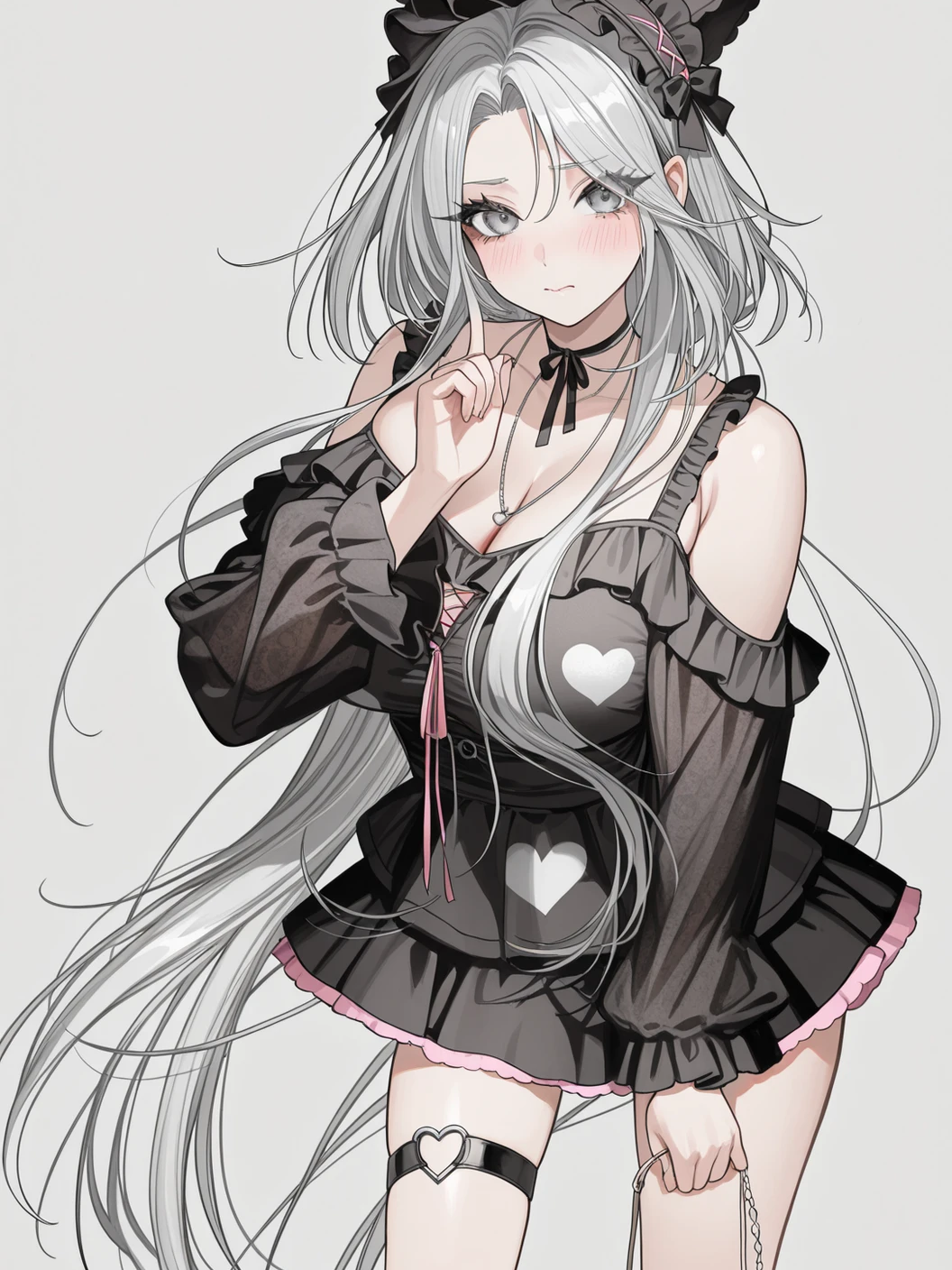
@Critical ♥
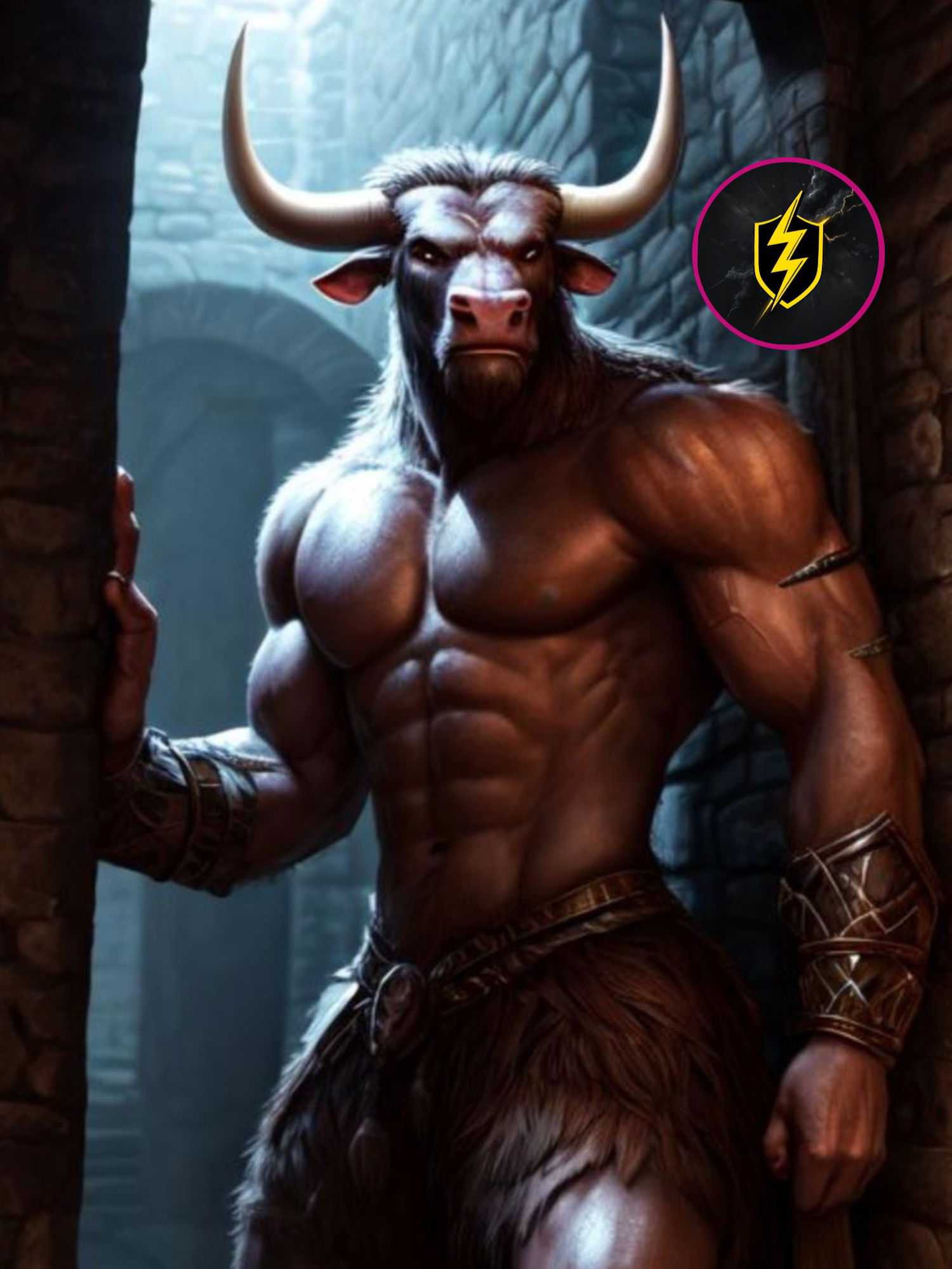
@Zapper
@nanamisenpai
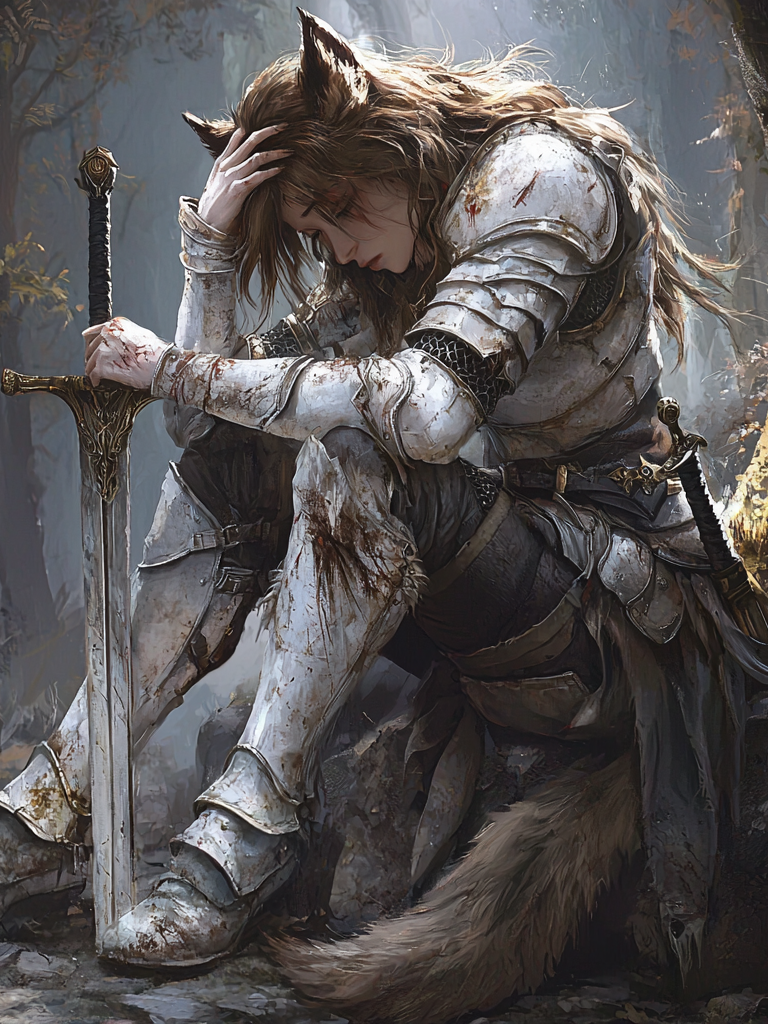
@CloakedKitty
@Critical ♥
Features
NSFW AI Chat with Top-Tier Models
Experience the most advanced NSFW AI chatbot technology with models like GPT-4, Claude, and Grok. Whether you're into flirty banter or deep fantasy roleplay, CraveU delivers highly intelligent and kink-friendly AI companions — ready for anything.

Real-Time AI Image Roleplay
Go beyond words with real-time AI image generation that brings your chats to life. Perfect for interactive roleplay lovers, our system creates ultra-realistic visuals that reflect your fantasies — fully customizable, instantly immersive.

Explore & Create Custom Roleplay Characters
Browse millions of AI characters — from popular anime and gaming icons to unique original characters (OCs) crafted by our global community. Want full control? Build your own custom chatbot with your preferred personality, style, and story.

Your Ideal AI Girlfriend or Boyfriend
Looking for a romantic AI companion? Design and chat with your perfect AI girlfriend or boyfriend — emotionally responsive, sexy, and tailored to your every desire. Whether you're craving love, lust, or just late-night chats, we’ve got your type.

Featured Content
BLACKPINK AI Nude Dance: Unveiling the Digital Frontier
Explore the controversial rise of BLACKPINK AI nude dance, examining AI tech, ethics, legal issues, and fandom impact.
Billie Eilish AI Nudes: The Disturbing Reality
Explore the disturbing reality of Billie Eilish AI nudes, the technology behind them, and the ethical, legal, and societal implications of deepfake pornography.
Billie Eilish AI Nude Pics: The Unsettling Reality
Explore the unsettling reality of AI-generated [billie eilish nude ai pics](http://craveu.ai/s/ai-nude) and the ethical implications of synthetic media.
Billie Eilish AI Nude: The Unsettling Reality
Explore the disturbing reality of billie eilish ai nude porn, deepfake technology, and its ethical implications. Understand the impact of AI-generated non-consensual content.
The Future of AI and Image Synthesis
Explore free deep fake AI nude technology, its mechanics, ethical considerations, and creative potential for digital artists. Understand responsible use.
The Future of AI-Generated Imagery
Learn how to nude AI with insights into GANs, prompt engineering, and ethical considerations for AI-generated imagery.