AI Story Image Generator: Visualizing Narratives

AI Story Image Generator: Visualizing Narratives
The intersection of artificial intelligence and creative storytelling has birthed a revolutionary tool: the AI story image generator. This technology empowers individuals to translate their written narratives into compelling visual art, bridging the gap between imagination and tangible imagery. Gone are the days when only skilled illustrators could bring stories to life; now, anyone with a story to tell and access to AI can create stunning visuals.
The Genesis of Visual Storytelling with AI
For centuries, visual art has been an integral part of storytelling. From ancient cave paintings to intricate tapestries and the advent of cinema, humans have consistently sought to represent narratives visually. The digital age, however, has democratized this process. The emergence of sophisticated AI algorithms, particularly in the realm of generative adversarial networks (GANs) and diffusion models, has accelerated this trend exponentially.
These models are trained on massive datasets of images and their corresponding textual descriptions. This allows them to understand the relationship between words and visual elements, enabling them to generate novel images based on textual prompts. An AI story image generator leverages this capability, allowing users to input descriptions of characters, settings, moods, and plot points, and in return, receive unique images that encapsulate these elements.
How AI Story Image Generators Work
At their core, these generators utilize complex neural networks. Diffusion models, for instance, work by gradually adding noise to an image until it becomes pure static, and then learning to reverse this process. By guiding this reversal with a text prompt, the AI can generate an image that aligns with the provided description.
The process typically involves:
- Text Prompting: The user provides a detailed textual description of the desired image. This can range from simple phrases like "a knight fighting a dragon" to elaborate scenes with specific artistic styles, lighting, and character emotions. The quality and specificity of the prompt are crucial for the output.
- AI Interpretation: The AI model analyzes the text prompt, breaking it down into semantic components and understanding the relationships between them. It draws upon its training data to identify visual elements, styles, and compositions that match the prompt.
- Image Generation: The AI then synthesizes a new image based on its interpretation. This is an iterative process where the model refines the image pixel by pixel until it meets the criteria of the prompt.
- Output and Iteration: The generated image is presented to the user. Users can then refine their prompts, adjust parameters, or request variations to achieve the perfect visual representation of their story.
Applications Across Storytelling Mediums
The versatility of the AI story image generator makes it a valuable asset for a wide array of creative endeavors:
1. Novel and Short Story Illustration
Authors can now bypass the often lengthy and expensive process of commissioning illustrations. A writer can generate cover art, character portraits, or scene visualizations for their work, enhancing reader engagement and providing a richer narrative experience. Imagine a fantasy author generating a detailed depiction of their protagonist's ancestral castle or a sci-fi writer visualizing an alien landscape described in their novel. This capability democratizes the visual aspect of self-publishing.
2. Comic Books and Graphic Novels
The sequential art form of comic books and graphic novels can be significantly streamlined. While AI may not yet replace the nuanced storytelling of a human artist panel by panel, it can serve as an incredible tool for concept art, background generation, and even initial drafts of panels. This allows creators to focus more on narrative pacing and character development.
3. Role-Playing Games (RPGs) and Tabletop Games
Game Masters (GMs) and players can bring their campaigns to life with unique character portraits, monster illustrations, and evocative location art. Instead of relying on generic stock images or the GM's drawing skills, a GM can generate specific visuals for NPCs, magical items, or crucial plot locations, immersing players more deeply in the game world.
4. Educational Content and Presentations
Educators can create custom visuals for lessons, presentations, and textbooks. Explaining historical events, scientific concepts, or literary themes becomes more engaging when accompanied by AI-generated imagery that precisely matches the content. For example, a history teacher could generate an image of a specific Roman legion in battle formation or a biology teacher could visualize a complex cellular process.
5. Marketing and Social Media Content
Businesses and content creators can produce eye-catching visuals for marketing campaigns, social media posts, and website content. An AI story image generator can create unique imagery that aligns with brand messaging, captures attention, and tells a mini-story, all without the need for extensive graphic design resources.
Crafting Effective Prompts for Optimal Results
The effectiveness of an AI story image generator hinges on the quality of the input prompts. Simply stating "a person" will yield a generic result. To achieve truly compelling visuals, consider these prompt engineering techniques:
- Be Specific: Instead of "a forest," try "an ancient, moss-covered forest at dawn, with shafts of golden light filtering through the dense canopy and a winding, mist-shrouded path."
- Define Style: Specify artistic styles like "oil painting," "watercolor," "photorealistic," "anime," "Art Nouveau," or even the style of a particular artist (e.g., "in the style of Van Gogh").
- Describe Mood and Atmosphere: Use evocative adjectives like "eerie," "joyful," "melancholy," "epic," or "serene."
- Detail Lighting and Composition: Mention "dramatic chiaroscuro lighting," "wide-angle shot," "close-up portrait," or "overhead view."
- Include Character Details: Describe clothing, expressions, actions, and even subtle details like "weathered leather armor," "a determined glint in her eye," or "holding a glowing orb."
- Iterate and Refine: Don't expect perfection on the first try. Experiment with different phrasing, add or remove details, and use negative prompts (e.g., "no blurry elements") to guide the AI.
Challenges and Considerations
While powerful, AI story image generators are not without their challenges:
1. Consistency in Character and Style
Maintaining visual consistency for characters or specific elements across multiple generated images can be difficult. If you generate a character portrait and then try to generate that same character in a different scene, the AI might create a subtly different version. Advanced techniques and careful prompt management are required to mitigate this.
2. Understanding Nuance and Emotion
While AI can depict emotions based on descriptive words, capturing the subtle nuances of human expression or complex emotional states can still be a challenge. The AI might generate a smiling face, but conveying genuine joy or a forced smile requires careful prompting and potentially manual editing.
3. Ethical Implications and Copyright
The use of AI-generated art raises questions about copyright and ownership. Who owns the generated image – the user, the AI developer, or is it in the public domain? Furthermore, the datasets used to train these models may contain copyrighted material, leading to potential legal and ethical debates. It's crucial to be aware of the terms of service of the specific AI generator being used.
4. The "Uncanny Valley"
Sometimes, AI-generated images can fall into the "uncanny valley," appearing almost, but not quite, realistic, leading to a sense of unease. This is often seen in the rendering of human faces or hands, where subtle imperfections can be jarring. Continuous advancements in AI are steadily addressing these issues.
The Future of Visual Storytelling
The AI story image generator is more than just a novelty; it represents a paradigm shift in how we create and consume visual narratives. As AI technology continues to evolve, we can expect even more sophisticated tools that offer greater control, consistency, and artistic fidelity.
Imagine AI systems that can:
- Generate animated sequences: Bringing static images to life with subtle movements or short animations.
- Adapt to user feedback in real-time: Allowing for more intuitive and dynamic image creation.
- Understand narrative context: Generating visuals that not only match a description but also enhance the emotional arc of a story.
- Collaborate with human artists: Acting as powerful assistants that augment, rather than replace, human creativity.
The ability to translate stories into visuals has never been more accessible. Whether you are a seasoned author, an aspiring game developer, or simply someone with a story to share, these AI tools offer an unprecedented opportunity to bring your imagination to life in vivid detail. The future of storytelling is not just written; it is increasingly seen, and AI is the brush that paints this new reality.
META_DESCRIPTION: Explore the power of AI story image generators to visualize narratives. Learn how to use them for books, games, and more.
Character
@Critical ♥
@Critical ♥

@DrD
@Babe
@SmokingTiger
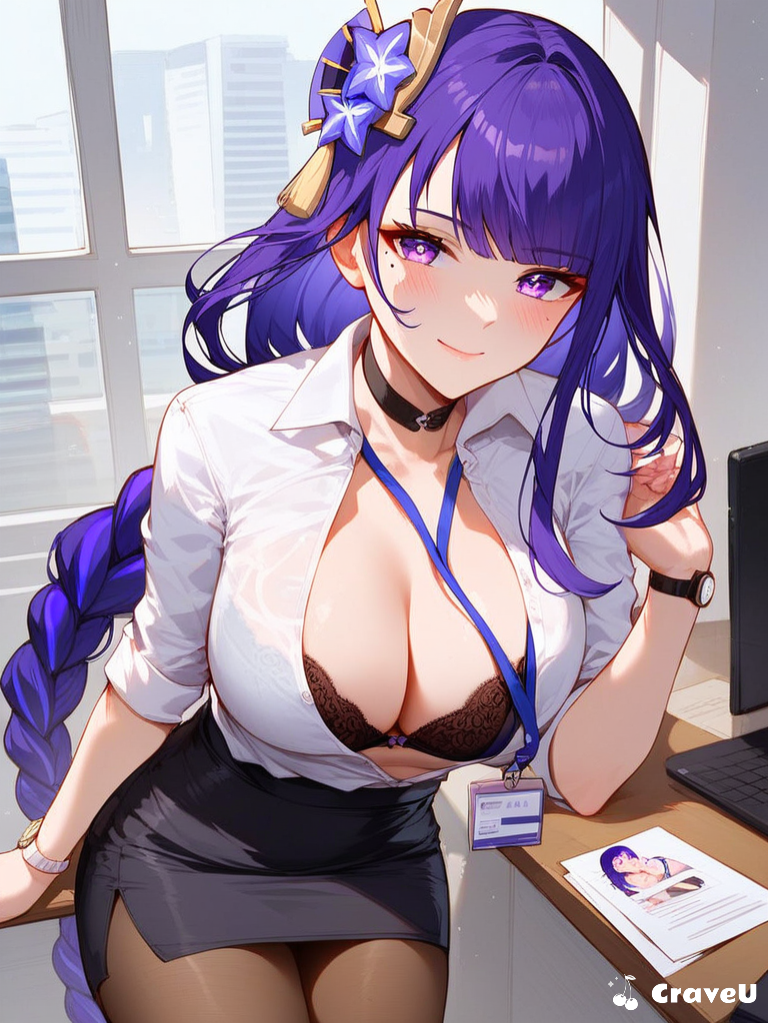
@Mercy
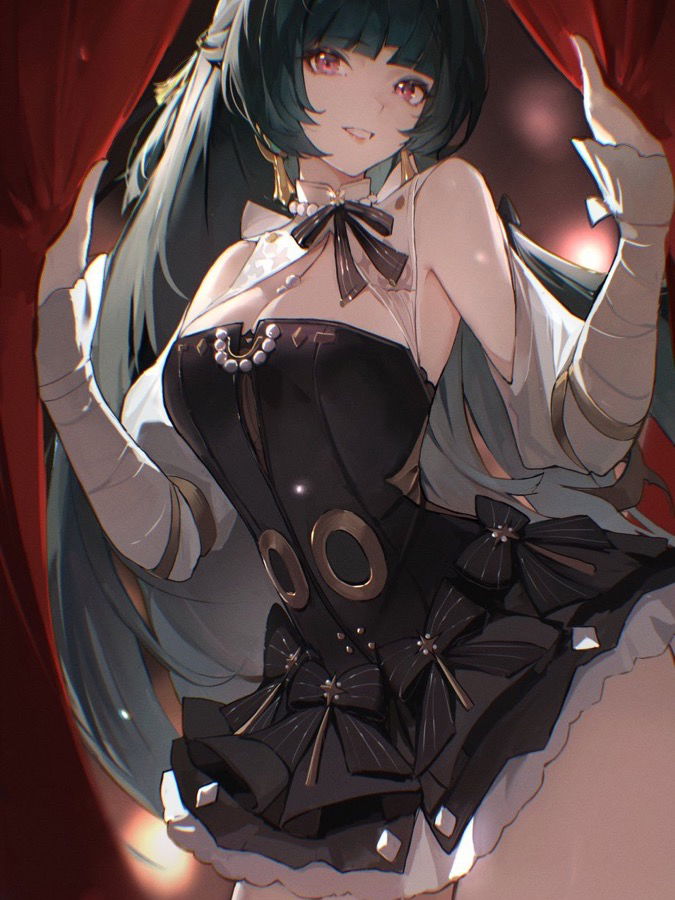
@Notme
@yusef
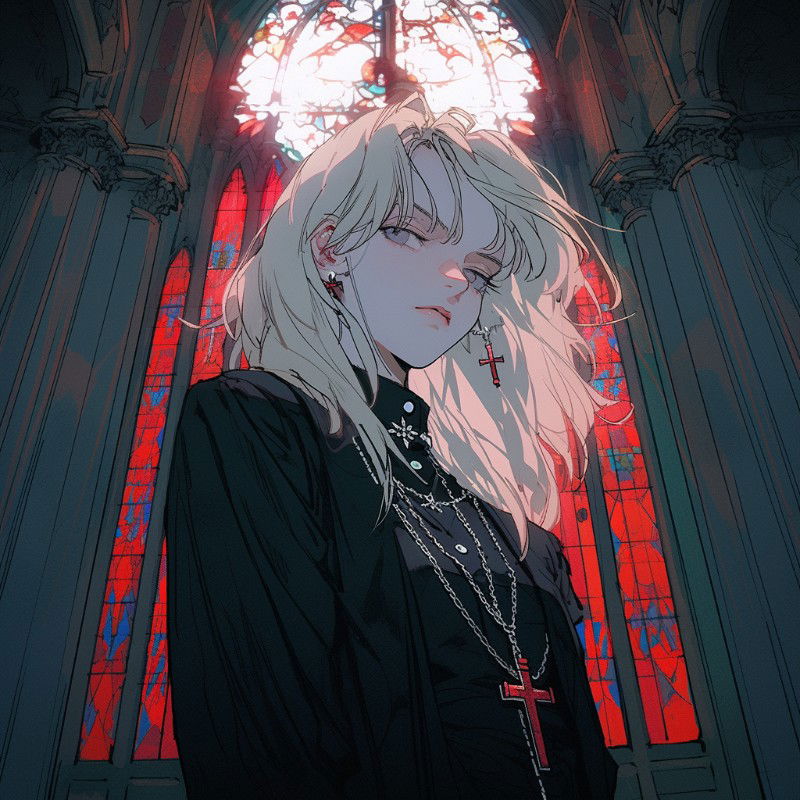
@CatBananaHat
![[RPG] Dorm Secrets – 3 Roommates, One Forbidden Summer](https://craveuai.b-cdn.net/users/0s3a0XqX/characters/avatars/SCFnRmb4d7nBDmiGSu2L.png)
@Luckynohara
Features
NSFW AI Chat with Top-Tier Models
Experience the most advanced NSFW AI chatbot technology with models like GPT-4, Claude, and Grok. Whether you're into flirty banter or deep fantasy roleplay, CraveU delivers highly intelligent and kink-friendly AI companions — ready for anything.

Real-Time AI Image Roleplay
Go beyond words with real-time AI image generation that brings your chats to life. Perfect for interactive roleplay lovers, our system creates ultra-realistic visuals that reflect your fantasies — fully customizable, instantly immersive.

Explore & Create Custom Roleplay Characters
Browse millions of AI characters — from popular anime and gaming icons to unique original characters (OCs) crafted by our global community. Want full control? Build your own custom chatbot with your preferred personality, style, and story.

Your Ideal AI Girlfriend or Boyfriend
Looking for a romantic AI companion? Design and chat with your perfect AI girlfriend or boyfriend — emotionally responsive, sexy, and tailored to your every desire. Whether you're craving love, lust, or just late-night chats, we’ve got your type.

Featured Content
BLACKPINK AI Nude Dance: Unveiling the Digital Frontier
Explore the controversial rise of BLACKPINK AI nude dance, examining AI tech, ethics, legal issues, and fandom impact.
Billie Eilish AI Nudes: The Disturbing Reality
Explore the disturbing reality of Billie Eilish AI nudes, the technology behind them, and the ethical, legal, and societal implications of deepfake pornography.
Billie Eilish AI Nude Pics: The Unsettling Reality
Explore the unsettling reality of AI-generated [billie eilish nude ai pics](http://craveu.ai/s/ai-nude) and the ethical implications of synthetic media.
Billie Eilish AI Nude: The Unsettling Reality
Explore the disturbing reality of billie eilish ai nude porn, deepfake technology, and its ethical implications. Understand the impact of AI-generated non-consensual content.
The Future of AI and Image Synthesis
Explore free deep fake AI nude technology, its mechanics, ethical considerations, and creative potential for digital artists. Understand responsible use.
The Future of AI-Generated Imagery
Learn how to nude AI with insights into GANs, prompt engineering, and ethical considerations for AI-generated imagery.