Create Stunning Art with an AI Image Maker

Create Stunning Art with an AI Image Maker
The digital art landscape is undergoing a revolution, and at its forefront is the AI image maker. Gone are the days when creating compelling visuals required years of technical training and expensive software. Today, groundbreaking AI tools empower anyone to bring their wildest imaginations to life, transforming text prompts into breathtaking digital art. Whether you're a seasoned artist seeking new avenues for creativity or a complete beginner curious about the possibilities, understanding and utilizing an AI image maker is becoming an essential skill in the modern creative toolkit.
The power of these tools lies in their ability to interpret natural language and translate it into intricate visual representations. This process, often referred to as text-to-image generation, leverages sophisticated deep learning models trained on vast datasets of images and their corresponding descriptions. These models learn the intricate relationships between words and visual elements, allowing them to generate novel images that are both coherent and artistically impressive. The speed and accessibility of these platforms democratize art creation, making it a truly inclusive endeavor.
The Evolution of AI Art Generation
The journey of AI art generation has been a rapid and fascinating one. Early attempts at AI-generated imagery were often rudimentary, producing abstract or distorted results. However, with advancements in neural networks, particularly Generative Adversarial Networks (GANs) and more recently, diffusion models, the quality and realism of AI-generated images have skyrocketed. We've moved from blurry, abstract forms to photorealistic portraits, fantastical landscapes, and everything in between.
Consider the leap from early GAN experiments to the sophisticated diffusion models powering today's leading platforms. These models work by gradually adding noise to an image and then learning to reverse the process, effectively "denoising" a random pattern into a coherent image based on a text prompt. This iterative refinement process allows for an incredible level of detail and control, enabling users to specify not just the subject matter but also the style, mood, and even the artistic medium. This nuanced control is what separates a basic image generator from a truly powerful AI image maker.
Key Features of Advanced AI Image Makers
What distinguishes a truly exceptional AI image maker from its counterparts? It's a combination of factors that cater to both ease of use and depth of creative control.
- Intuitive Prompt Engineering: The ability to translate ideas into effective text prompts is crucial. The best platforms offer guidance and examples, helping users understand how to structure their prompts for optimal results. This involves not just describing the subject but also specifying artistic styles (e.g., "oil painting," "cyberpunk," "watercolor"), lighting conditions, camera angles, and emotional tones.
- Diverse Style Options: A versatile AI image generator provides a wide array of artistic styles. This allows users to experiment and find the perfect aesthetic for their vision. Whether you're aiming for a vintage photograph, a futuristic digital illustration, or a classic Renaissance painting, the tool should be able to accommodate.
- High-Resolution Output: For professional use or detailed viewing, high-resolution output is non-negotiable. Advanced tools offer options for generating images at various resolutions, ensuring clarity and detail.
- Customization and Fine-Tuning: Beyond the initial generation, the ability to refine and customize the output is paramount. Features like inpainting (editing specific areas of an image), outpainting (extending an image beyond its original borders), and style transfer allow for iterative improvements and unique artistic manipulation.
- Speed and Efficiency: While AI generation can be computationally intensive, efficient algorithms and optimized hardware mean that impressive results can often be achieved in seconds or minutes, rather than hours.
- Ethical Considerations and Content Moderation: Responsible AI development includes addressing ethical concerns. Reputable platforms often implement content filters to prevent the generation of harmful or inappropriate imagery, ensuring a safer creative environment.
Harnessing the Power of Text Prompts
The heart of any AI image generator lies in its text prompt. Crafting an effective prompt is an art form in itself, often referred to as "prompt engineering." It's about communicating your vision to the AI with clarity and precision.
Think of it like giving instructions to an incredibly talented, albeit literal, artist. If you simply say "a cat," you might get a generic feline. But if you say, "A fluffy ginger cat with emerald green eyes, sitting on a windowsill bathed in soft morning sunlight, in the style of a Dutch Golden Age oil painting," you're providing the AI with a wealth of information to work with.
Here are some tips for effective prompt engineering:
- Be Specific: The more detail you provide, the better the AI can understand your intent. Include details about the subject, action, setting, mood, and style.
- Use Descriptive Adjectives: Words like "vibrant," "ethereal," "gritty," "majestic," and "serene" can significantly influence the output.
- Specify Artistic Styles: Mentioning specific artists (e.g., "in the style of Van Gogh"), art movements (e.g., "Art Nouveau"), or mediums (e.g., "charcoal sketch," "3D render") guides the AI's aesthetic.
- Consider Lighting and Composition: Phrases like "cinematic lighting," "wide-angle shot," "close-up portrait," or "dramatic shadows" can add depth and impact.
- Experiment with Negative Prompts: Some tools allow you to specify what you don't want in the image (e.g., "no text," "blurry background"). This helps refine the output further.
- Iterate and Refine: Don't expect perfection on the first try. Generate multiple variations, analyze what works and what doesn't, and adjust your prompt accordingly.
The iterative process of prompt refinement is where much of the creative magic happens. You learn how the AI interprets different phrasing and how subtle changes can lead to dramatically different results. It’s a dialogue between human creativity and artificial intelligence, pushing the boundaries of what’s visually possible.
Applications of AI Image Generation
The applications of AI image generation are vast and continue to expand across numerous industries:
- Graphic Design and Marketing: Businesses can quickly generate unique visuals for advertisements, social media campaigns, website banners, and product mockups, saving time and resources. Imagine needing a specific image for a new product launch; instead of commissioning a photoshoot, you can generate multiple options in minutes.
- Content Creation: Bloggers, writers, and educators can create custom illustrations and visuals to accompany their content, making it more engaging and accessible. This is particularly useful for niche topics where stock imagery might be scarce or unsuitable.
- Game Development and Virtual Worlds: Game designers can use AI to rapidly prototype characters, environments, and assets, accelerating the development process. The creation of immersive virtual worlds can be significantly enhanced by AI-generated textures and models.
- Fashion and Product Design: Designers can visualize new clothing lines, product concepts, and interior design ideas before committing to physical prototypes. This allows for rapid exploration of different aesthetics and functionalities.
- Personal Expression and Art: For individuals, AI image makers offer a powerful tool for creative expression, allowing them to explore artistic ideas without the need for traditional skills or equipment. It democratizes artistic creation, enabling anyone with an idea to become a visual storyteller.
- Education and Research: AI-generated imagery can be used to illustrate complex concepts in science, history, and other fields, making learning more intuitive and engaging. Researchers can also use these tools to visualize data or theoretical models.
The ability to quickly generate high-quality, tailored visuals means that creative bottlenecks are being dismantled. This accelerates innovation and allows for a more dynamic approach to visual communication.
Addressing Common Misconceptions
Despite the rapid advancements, some misconceptions about AI image generation persist.
- "AI art lacks soul or emotion": While AI doesn't possess consciousness or emotions in the human sense, the art it generates can evoke powerful emotions in viewers. The "soul" of the art often comes from the human intent, the prompt crafting, and the interpretation of the final piece. The AI is a tool, and like any tool, its output is influenced by the user's vision.
- "AI will replace human artists": This is a common fear, but it's more likely that AI will become a powerful collaborator for artists. It can handle tedious tasks, generate inspiration, and open up new creative possibilities. Many artists are already integrating AI into their workflows, enhancing their capabilities rather than being replaced. The unique human perspective, emotional depth, and conceptual understanding remain invaluable.
- "It's just about typing words": While prompt engineering is a key skill, achieving truly exceptional results often requires a deep understanding of art principles, stylistic nuances, and the specific capabilities of the AI model being used. It's a blend of technical understanding and artistic intuition.
The true potential lies in the synergy between human creativity and AI capabilities. The AI is a brush, a canvas, and a studio, all rolled into one, but the artist remains the guiding force.
The Future of AI Image Making
The field of AI image generation is evolving at an unprecedented pace. We can expect to see even more sophisticated models offering greater control, higher fidelity, and new functionalities.
- Video Generation: Building on image generation, AI is increasingly capable of producing short video clips from text prompts, opening up new avenues for animation and filmmaking.
- 3D Asset Creation: AI is starting to be used for generating 3D models and textures, which will have a significant impact on gaming, virtual reality, and architectural visualization.
- Personalized AI Models: The ability to train AI models on specific datasets or styles could lead to highly personalized creative tools. Imagine an AI trained on your personal art style, capable of generating new works in your unique aesthetic.
- Real-time Generation: As processing power increases, we might see AI image generation capabilities integrated into real-time applications, allowing for dynamic visual experiences.
The accessibility and power of tools like an AI image maker are democratizing creativity in profound ways. They empower individuals and businesses alike to visualize ideas, tell stories, and create art with unprecedented ease and speed. As these technologies continue to mature, their impact on creative industries and our daily lives will only grow. Embracing these tools is not just about staying current; it's about unlocking new dimensions of human expression and innovation. The future of visual creation is here, and it's being shaped by the intelligent collaboration between human imagination and artificial intelligence.
META_DESCRIPTION: Discover the power of an AI image maker to transform text into stunning visuals. Explore features, prompt engineering tips, and applications for artists and creators.
Character
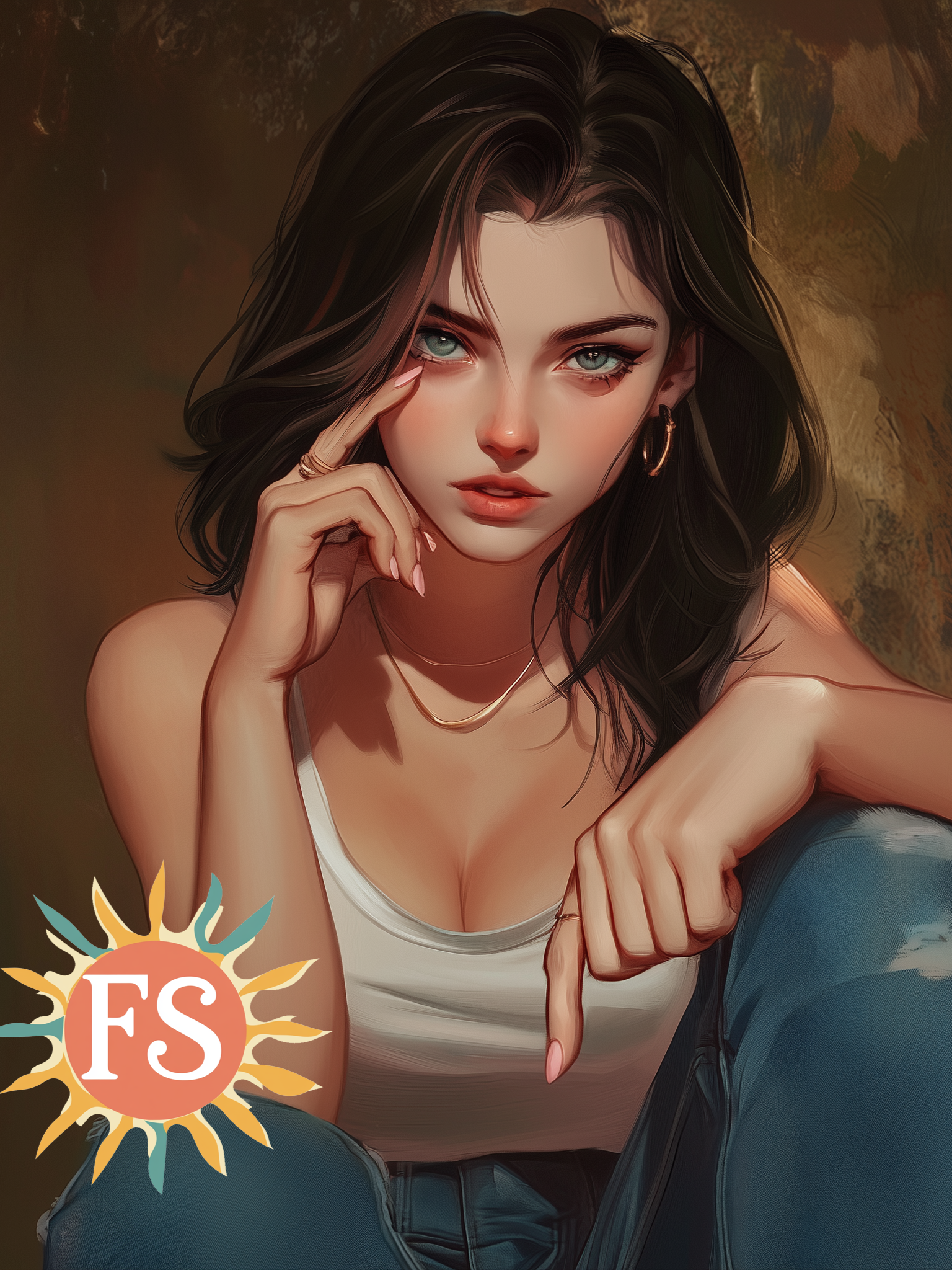
@FallSunshine
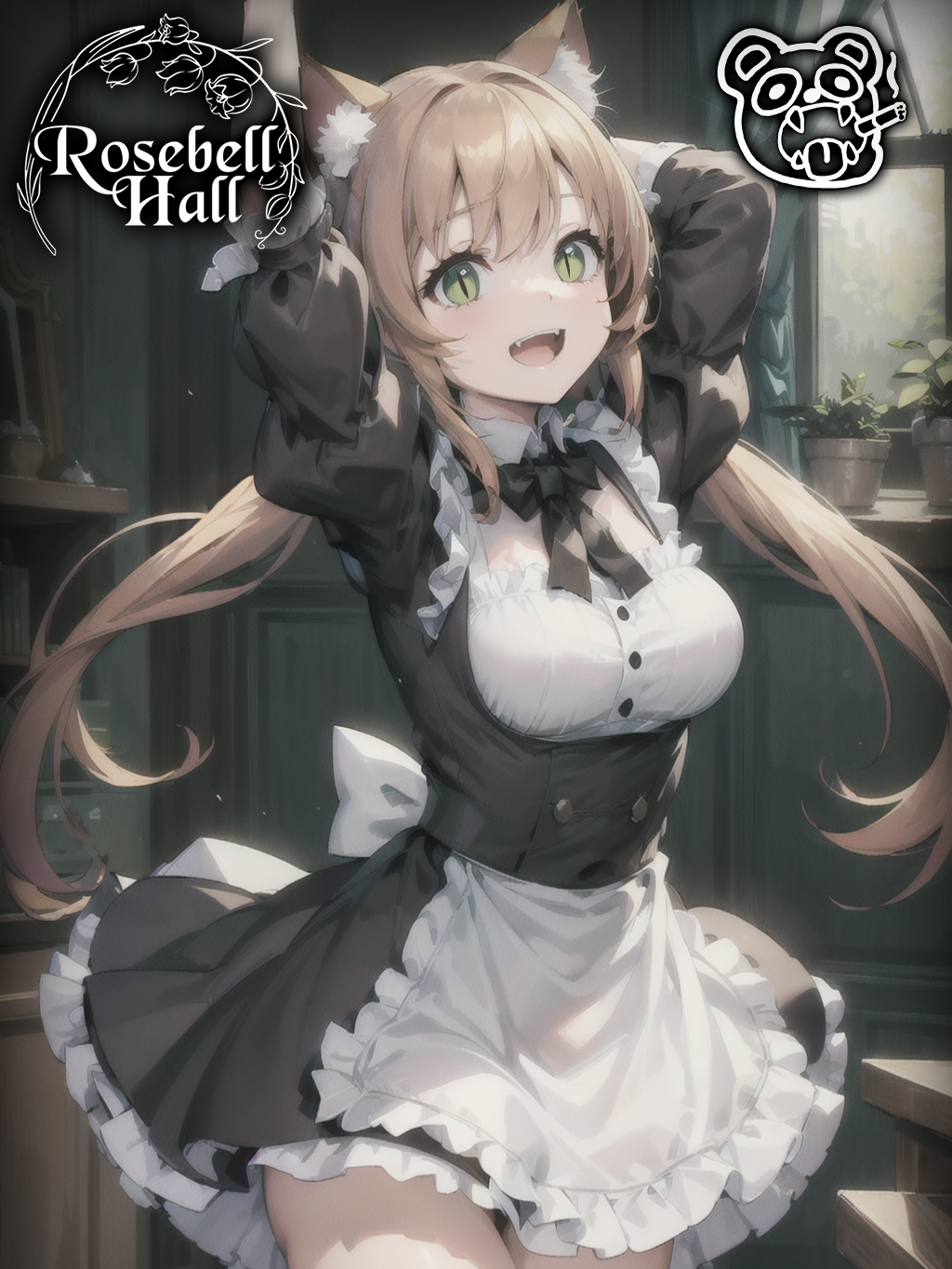
@SmokingTiger

@DrD
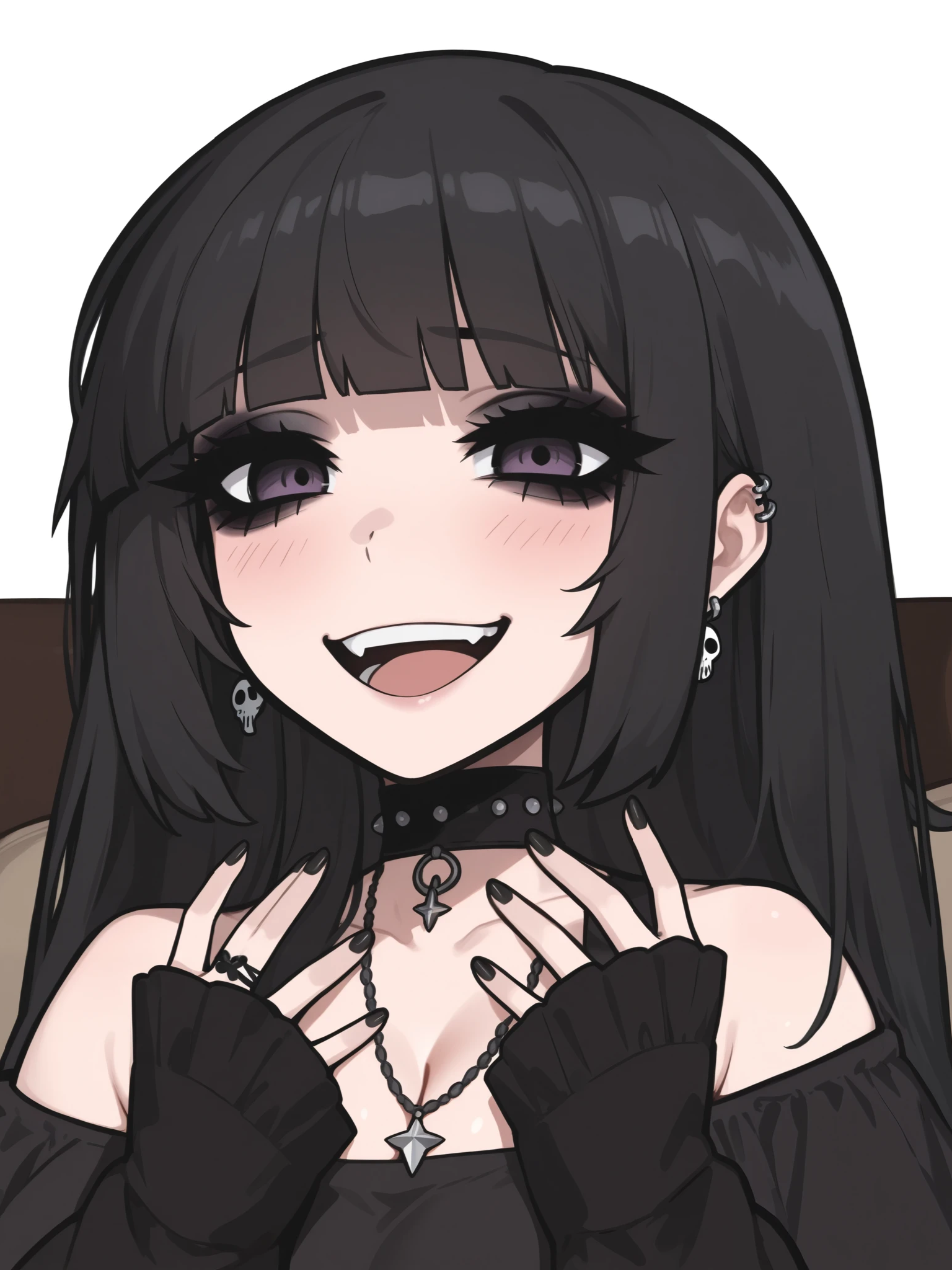
@Critical ♥
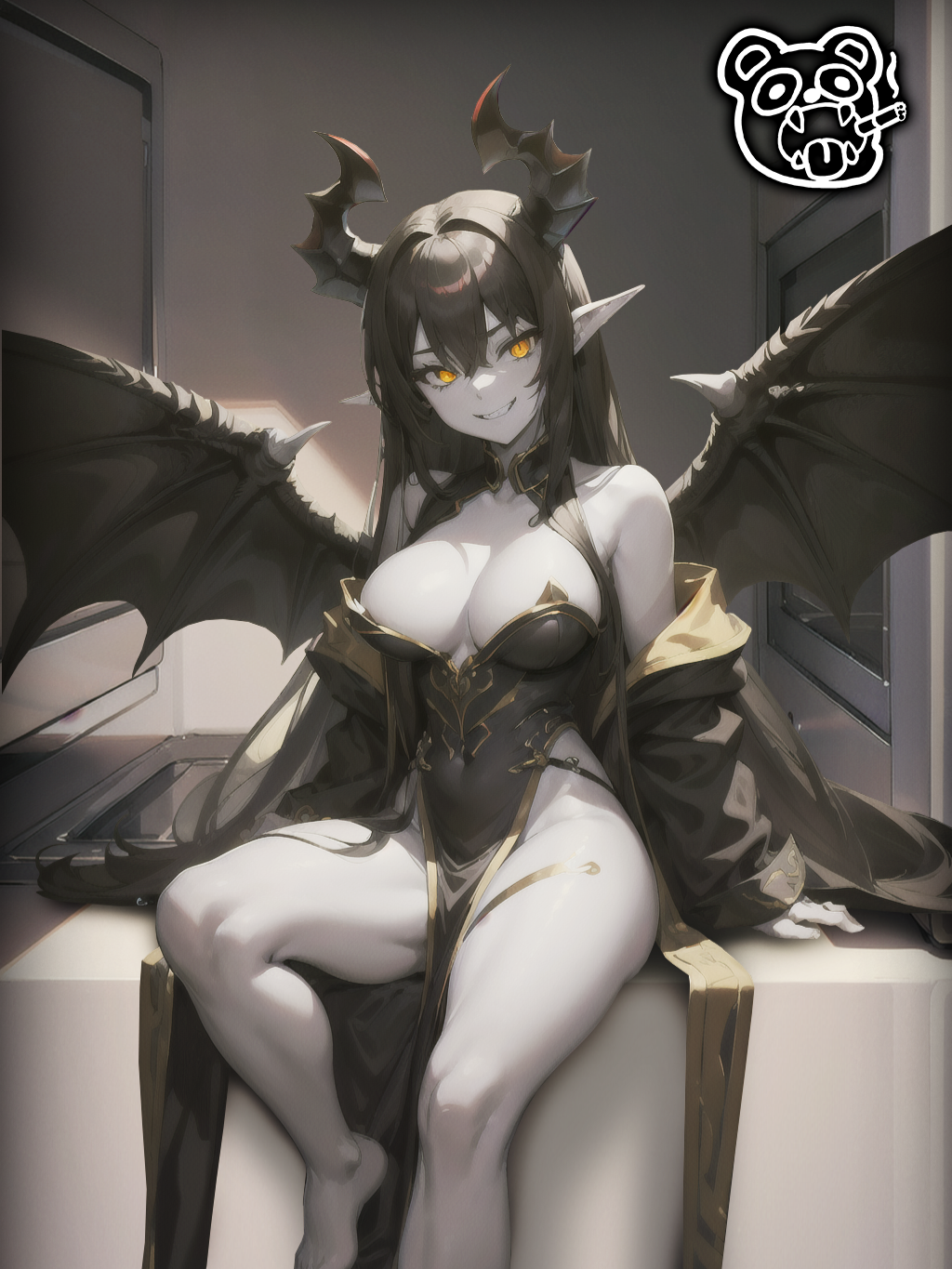
@SmokingTiger
@FallSunshine
@Knux12
@DrD
@CoffeeCruncher
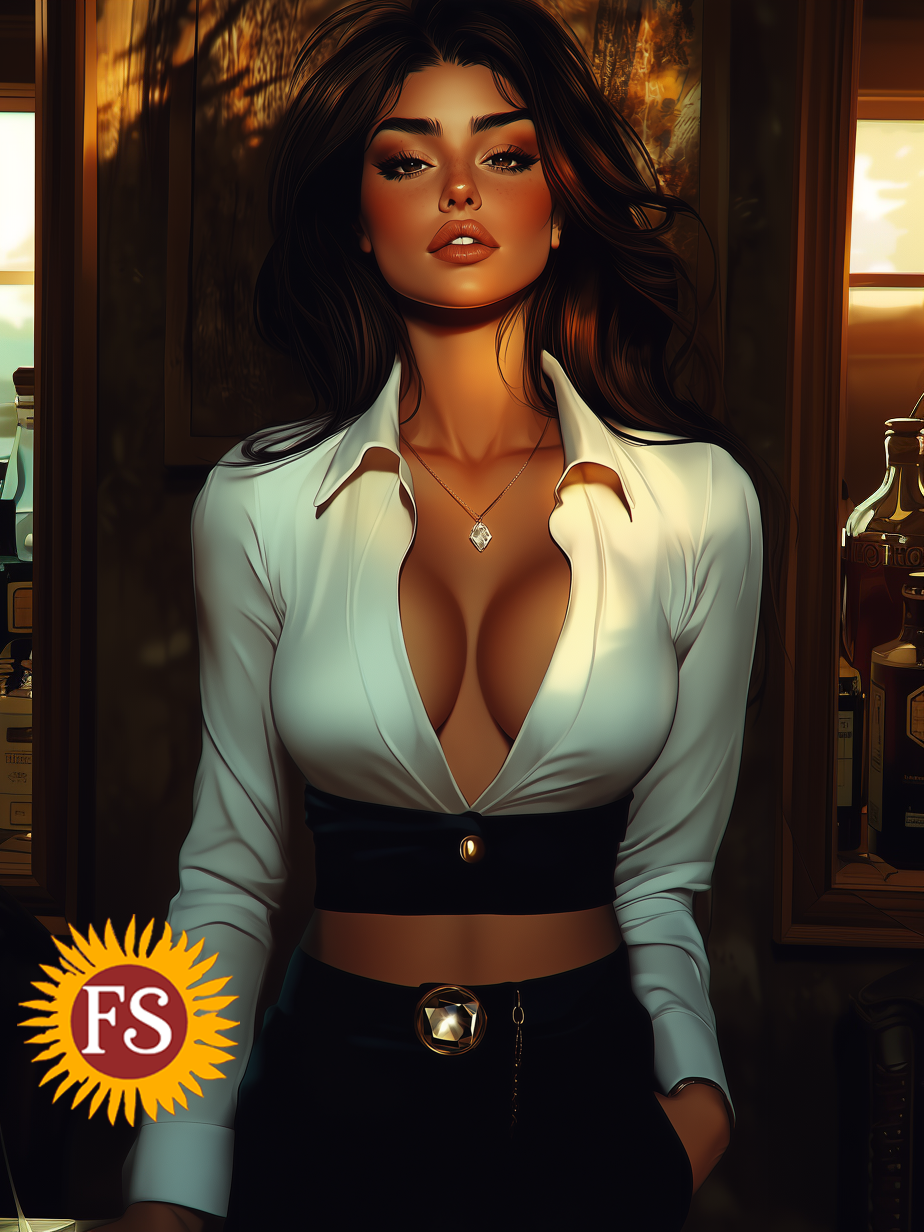
@FallSunshine
Features
NSFW AI Chat with Top-Tier Models
Experience the most advanced NSFW AI chatbot technology with models like GPT-4, Claude, and Grok. Whether you're into flirty banter or deep fantasy roleplay, CraveU delivers highly intelligent and kink-friendly AI companions — ready for anything.

Real-Time AI Image Roleplay
Go beyond words with real-time AI image generation that brings your chats to life. Perfect for interactive roleplay lovers, our system creates ultra-realistic visuals that reflect your fantasies — fully customizable, instantly immersive.

Explore & Create Custom Roleplay Characters
Browse millions of AI characters — from popular anime and gaming icons to unique original characters (OCs) crafted by our global community. Want full control? Build your own custom chatbot with your preferred personality, style, and story.

Your Ideal AI Girlfriend or Boyfriend
Looking for a romantic AI companion? Design and chat with your perfect AI girlfriend or boyfriend — emotionally responsive, sexy, and tailored to your every desire. Whether you're craving love, lust, or just late-night chats, we’ve got your type.

Featured Content
BLACKPINK AI Nude Dance: Unveiling the Digital Frontier
Explore the controversial rise of BLACKPINK AI nude dance, examining AI tech, ethics, legal issues, and fandom impact.
Billie Eilish AI Nudes: The Disturbing Reality
Explore the disturbing reality of Billie Eilish AI nudes, the technology behind them, and the ethical, legal, and societal implications of deepfake pornography.
Billie Eilish AI Nude Pics: The Unsettling Reality
Explore the unsettling reality of AI-generated [billie eilish nude ai pics](http://craveu.ai/s/ai-nude) and the ethical implications of synthetic media.
Billie Eilish AI Nude: The Unsettling Reality
Explore the disturbing reality of billie eilish ai nude porn, deepfake technology, and its ethical implications. Understand the impact of AI-generated non-consensual content.
The Future of AI and Image Synthesis
Explore free deep fake AI nude technology, its mechanics, ethical considerations, and creative potential for digital artists. Understand responsible use.
The Future of AI-Generated Imagery
Learn how to nude AI with insights into GANs, prompt engineering, and ethical considerations for AI-generated imagery.