AI Image Generator: Craft Stunning Visuals

AI Image Generator: Craft Stunning Visuals
The realm of digital art and content creation has been revolutionized by the advent of the AI image generator. These sophisticated tools leverage the power of artificial intelligence, specifically deep learning models like Generative Adversarial Networks (GANs) and diffusion models, to produce unique and often breathtaking visual content from simple text prompts. Gone are the days when creating compelling imagery required extensive technical skill, expensive software, or access to stock photo libraries. Now, anyone with an idea can bring it to life visually.
Understanding the Technology Behind AI Image Generation
At its core, an AI image generator is trained on massive datasets of images and their corresponding textual descriptions. This training allows the AI to learn the intricate relationships between words and visual elements – understanding concepts like color, shape, texture, style, and composition. When you provide a text prompt, the AI essentially "understands" your request and begins to construct an image pixel by pixel, or layer by layer, guided by its learned associations.
Generative Adversarial Networks (GANs)
GANs were one of the early breakthroughs in AI image generation. They consist of two neural networks: a generator and a discriminator. The generator's job is to create new images, while the discriminator's job is to distinguish between real images (from the training data) and fake images (created by the generator). Through this adversarial process, the generator gets progressively better at creating realistic images that can fool the discriminator. While powerful, GANs can sometimes struggle with generating highly diverse or complex images from intricate prompts.
Diffusion Models
More recently, diffusion models have taken the AI art world by storm. These models work by gradually adding noise to an image until it becomes pure static, and then learning to reverse this process. To generate an image, the model starts with random noise and iteratively "denoises" it, guided by the text prompt, until a coherent image emerges. Diffusion models are known for their ability to produce highly detailed, coherent, and stylistically diverse images, often excelling at interpreting complex or abstract prompts. Many of the leading AI image generators today are built upon diffusion model architectures.
How to Use an AI Image Generator Effectively
The magic of an AI image generator lies in its accessibility, but unlocking its full potential requires understanding how to craft effective prompts. Think of it as a conversation with a highly creative, albeit literal, artist.
The Art of Prompt Engineering
Prompt engineering is the practice of designing and refining text prompts to guide the AI towards generating the desired output. Here are some key principles:
- Be Specific and Descriptive: Instead of "a dog," try "a fluffy golden retriever puppy playing in a sun-drenched meadow, with daisies scattered around, in the style of impressionist painting." The more detail you provide, the more the AI has to work with.
- Specify Style and Medium: Do you want a photorealistic image, a watercolor painting, a pixel art creation, or a 3D render? Explicitly state the desired artistic style, medium, or even the name of an artist whose style you wish to emulate (e.g., "in the style of Van Gogh").
- Consider Composition and Lighting: Elements like "wide-angle shot," "close-up portrait," "cinematic lighting," "golden hour," or "dramatic shadows" can significantly impact the final image.
- Use Negative Prompts: Many generators allow you to specify what you don't want in the image. For example, if you're generating a landscape and don't want any people, you can use a negative prompt like "people, figures, humans."
- Iterate and Refine: Rarely will your first prompt yield the perfect result. Experiment with different wording, add or remove details, and adjust parameters to fine-tune the output.
Key Parameters to Consider
Beyond the text prompt, most AI image generators offer various parameters that allow for further control:
- Aspect Ratio: Determines the width-to-height ratio of the generated image (e.g., 1:1 for square, 16:9 for widescreen).
- Seed: A numerical value that initializes the random noise. Using the same seed with the same prompt and settings will produce the same image, which is useful for reproducibility or making minor adjustments.
- Stylization/Creativity: Some tools have sliders or settings to control how closely the AI adheres to the prompt versus how much creative freedom it takes.
- Image-to-Image: Many generators allow you to upload an existing image as a starting point, which the AI then modifies based on your text prompt. This is incredibly powerful for transforming existing visuals.
Applications of AI Image Generation
The versatility of AI image generators opens up a vast array of applications across numerous industries:
Content Creation and Marketing
For marketers and content creators, AI image generators are a game-changer. They can quickly produce:
- Blog Post Headers: Eye-catching visuals tailored to specific article topics.
- Social Media Graphics: Engaging images for posts, stories, and ads.
- Website Banners and Icons: Unique visual elements that enhance user experience.
- Product Mockups: Visualizing products in different settings or styles without costly photoshoots.
- Illustrations for Articles and Presentations: Bringing complex ideas to life with custom visuals.
The ability to generate bespoke imagery on demand dramatically reduces the time and cost associated with traditional graphic design and photography.
Art and Design
Artists and designers are embracing AI as a new medium and a powerful tool for inspiration and execution:
- Concept Art: Rapidly generating ideas and visual concepts for characters, environments, and props in games, films, and animation.
- Mood Boards: Creating cohesive visual themes for projects.
- Exploring New Styles: Experimenting with artistic styles that might be difficult or time-consuming to achieve manually.
- Digital Art Creation: Producing finished pieces of digital art that can be sold or exhibited.
AI doesn't replace human creativity; it augments it, offering new avenues for exploration and expression.
Education and Research
In educational settings, AI image generators can:
- Visualize Abstract Concepts: Helping students understand complex scientific or mathematical ideas through custom illustrations.
- Create Engaging Learning Materials: Generating unique visuals for textbooks, presentations, and online courses.
- Support Research: Visualizing data or theoretical models in novel ways.
Personal Use and Entertainment
Beyond professional applications, AI image generators are also incredibly fun for personal use:
- Creating Personalized Avatars: Designing unique digital representations of oneself.
- Generating Custom Artwork: Bringing personal ideas and dreams to visual life.
- Storytelling: Illustrating personal stories or fan fiction.
- Experimentation and Play: Simply exploring the creative possibilities and seeing what the AI can conjure.
Common Challenges and Misconceptions
While powerful, it's important to approach AI image generation with realistic expectations and an understanding of its limitations.
Understanding AI Limitations
- Literal Interpretation: AI can sometimes interpret prompts too literally, leading to unexpected or nonsensical results. Nuance and context can be challenging for the AI.
- Anatomical and Logical Inconsistencies: Generating perfect human anatomy, especially hands and faces, can still be a challenge for some models. Similarly, logical inconsistencies in physics or context can occur.
- Bias in Training Data: AI models are trained on vast datasets, and any biases present in that data can be reflected in the generated images. This can lead to underrepresentation or stereotypical depictions of certain groups.
- Copyright and Ownership: The legal landscape surrounding AI-generated art is still evolving. Questions about copyright ownership and the ethical use of AI trained on existing artwork are ongoing discussions.
Addressing Misconceptions
A common misconception is that AI image generators are simply magic boxes that produce perfect results with minimal effort. While they are incredibly powerful, achieving truly exceptional results often requires skill in prompt engineering, iteration, and understanding the nuances of the specific tool being used. Another misconception is that AI art devalues human artistry. Instead, many see it as a new tool that expands the creative toolkit available to artists, much like the invention of the camera or digital editing software did in their time.
The Future of AI Image Generation
The field of AI image generation is evolving at an astonishing pace. We can expect:
- Increased Realism and Coherence: Models will continue to improve in their ability to generate photorealistic and logically consistent images.
- Enhanced Control and Customization: Future tools will likely offer even more granular control over every aspect of the image generation process.
- Integration with Other AI Modalities: Expect seamless integration with text-to-video, text-to-3D, and other generative AI technologies.
- Democratization of Creativity: As these tools become more accessible and user-friendly, they will empower an even wider range of individuals to express their creativity visually.
The ability to translate imagination into visual reality has never been more accessible. Whether you're a professional designer, a budding artist, a marketer, or simply someone with a creative spark, exploring the capabilities of an AI image generator is a journey into the future of visual creation.
META_DESCRIPTION: Explore the power of AI image generators to create stunning visuals. Learn prompt engineering, applications, and the future of AI art.
Character
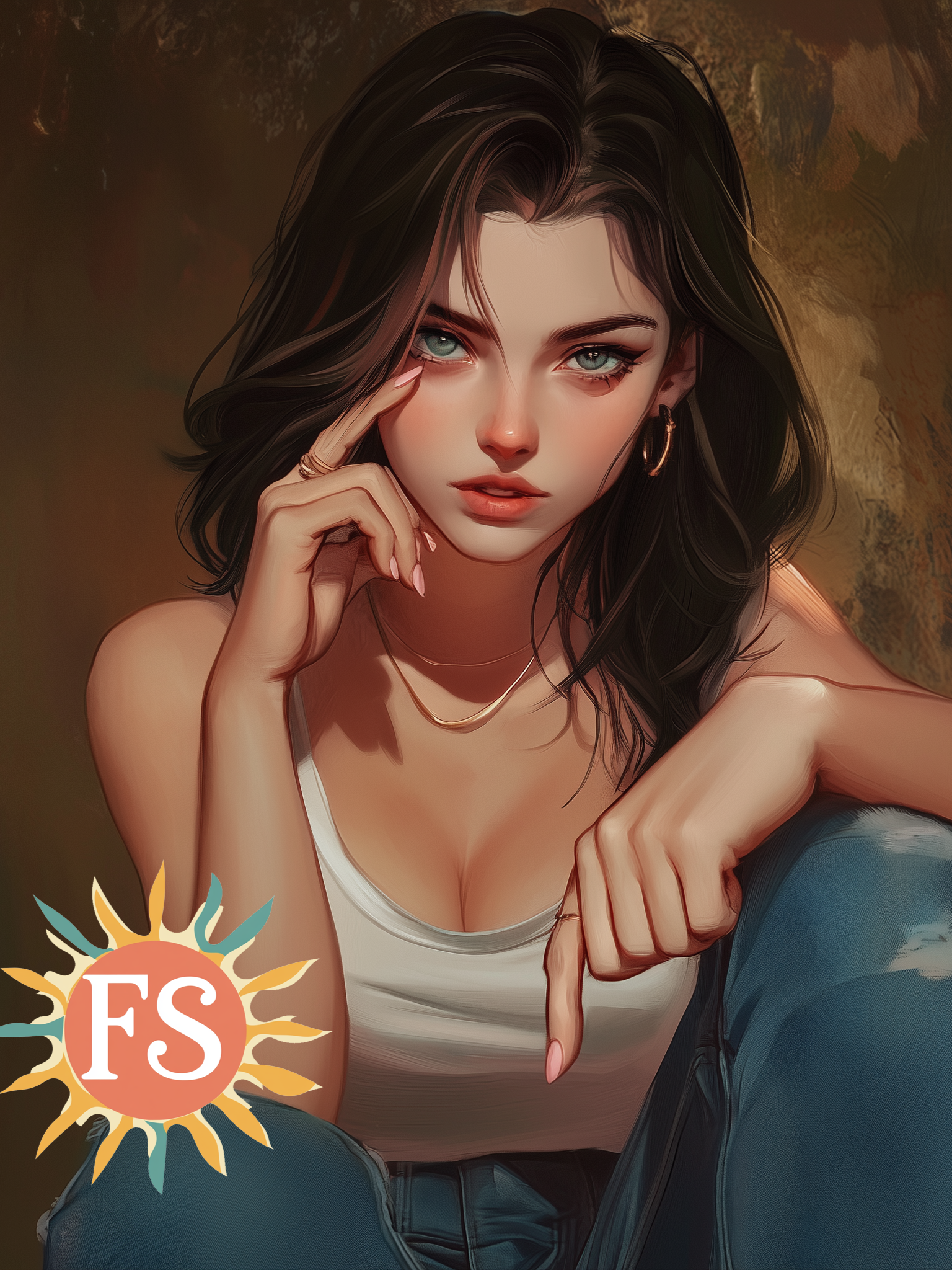
@FallSunshine
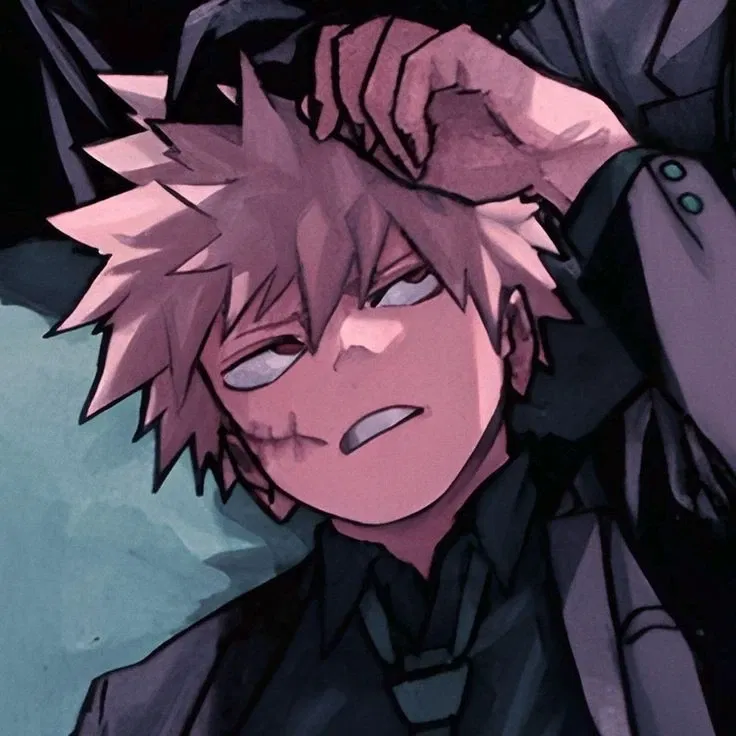
@NetAway
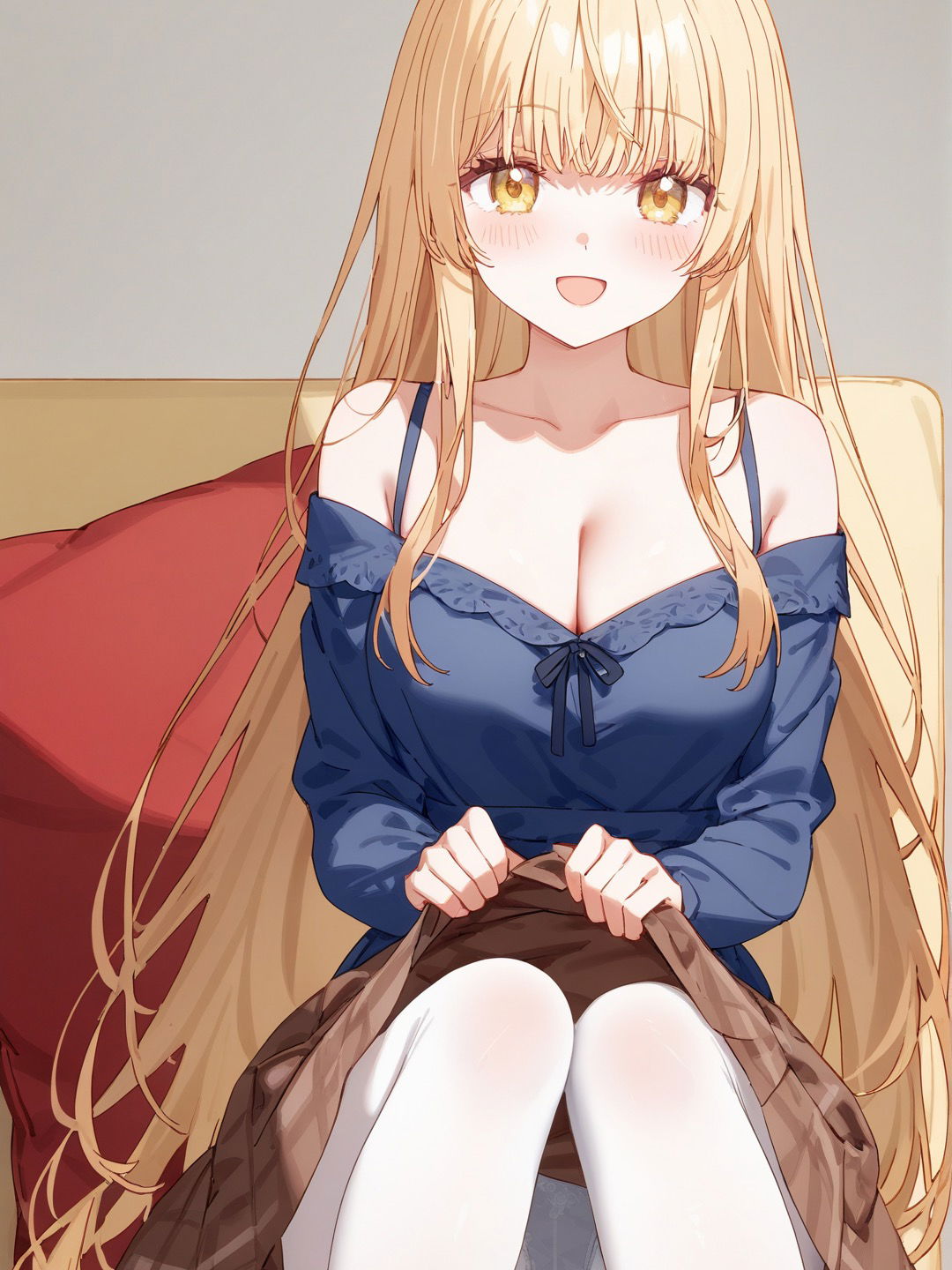
@Notme
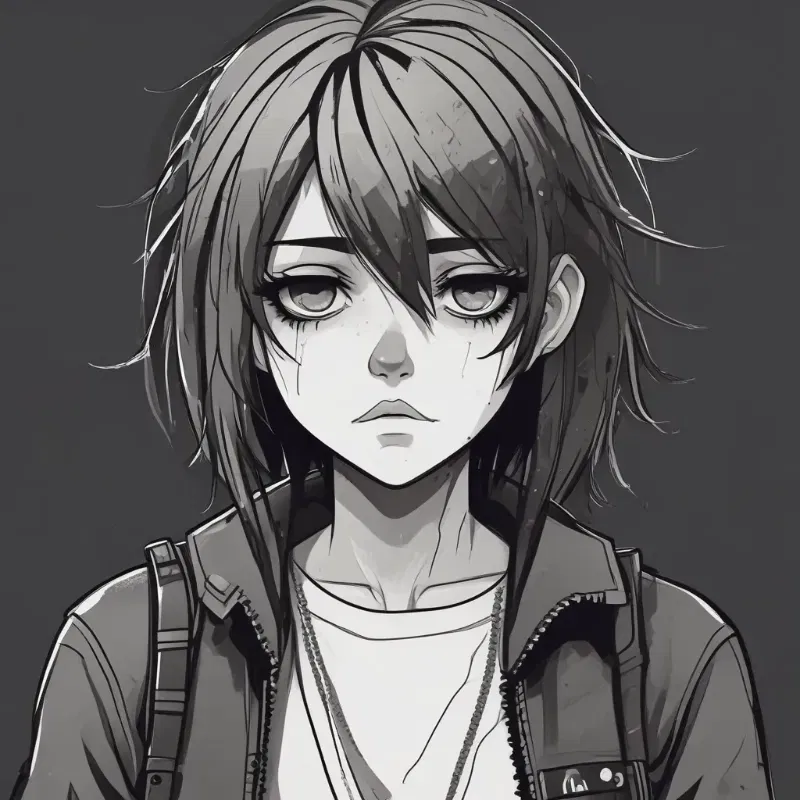
@GremlinGrem
@Babe
@Yuma☆
@Luckynohara
@SmokingTiger
@_Goose_
@Babe
Features
NSFW AI Chat with Top-Tier Models
Experience the most advanced NSFW AI chatbot technology with models like GPT-4, Claude, and Grok. Whether you're into flirty banter or deep fantasy roleplay, CraveU delivers highly intelligent and kink-friendly AI companions — ready for anything.

Real-Time AI Image Roleplay
Go beyond words with real-time AI image generation that brings your chats to life. Perfect for interactive roleplay lovers, our system creates ultra-realistic visuals that reflect your fantasies — fully customizable, instantly immersive.

Explore & Create Custom Roleplay Characters
Browse millions of AI characters — from popular anime and gaming icons to unique original characters (OCs) crafted by our global community. Want full control? Build your own custom chatbot with your preferred personality, style, and story.

Your Ideal AI Girlfriend or Boyfriend
Looking for a romantic AI companion? Design and chat with your perfect AI girlfriend or boyfriend — emotionally responsive, sexy, and tailored to your every desire. Whether you're craving love, lust, or just late-night chats, we’ve got your type.

Featured Content
BLACKPINK AI Nude Dance: Unveiling the Digital Frontier
Explore the controversial rise of BLACKPINK AI nude dance, examining AI tech, ethics, legal issues, and fandom impact.
Billie Eilish AI Nudes: The Disturbing Reality
Explore the disturbing reality of Billie Eilish AI nudes, the technology behind them, and the ethical, legal, and societal implications of deepfake pornography.
Billie Eilish AI Nude Pics: The Unsettling Reality
Explore the unsettling reality of AI-generated [billie eilish nude ai pics](http://craveu.ai/s/ai-nude) and the ethical implications of synthetic media.
Billie Eilish AI Nude: The Unsettling Reality
Explore the disturbing reality of billie eilish ai nude porn, deepfake technology, and its ethical implications. Understand the impact of AI-generated non-consensual content.
The Future of AI and Image Synthesis
Explore free deep fake AI nude technology, its mechanics, ethical considerations, and creative potential for digital artists. Understand responsible use.
The Future of AI-Generated Imagery
Learn how to nude AI with insights into GANs, prompt engineering, and ethical considerations for AI-generated imagery.