AI Image Animation: Bring Your Art to Life

AI Image Animation: Bring Your Art to Life
The digital art landscape is constantly evolving, and with the advent of sophisticated AI, static images are no longer the final frontier. We're witnessing a paradigm shift where artificial intelligence is empowering creators to imbue their visual creations with dynamic motion, transforming them into captivating animations. This surge in AI image animation tools is democratizing animation, making it accessible to artists, marketers, and hobbyists alike, regardless of their traditional animation expertise.
For years, creating animation required specialized software, extensive training, and a significant time investment. Think of the painstaking frame-by-frame drawing, the complex rigging, or the intricate motion path adjustments. While these traditional methods yield incredible results, they remain a barrier for many. Now, however, AI is stepping in, offering intuitive workflows that can generate fluid animations from simple prompts or existing images. This isn't just about adding a subtle sparkle; we're talking about generating character lip-syncs, creating dynamic scene transitions, and even animating entire narratives from a single still.
What exactly are these AI image animation tools? At their core, they leverage deep learning models, often trained on vast datasets of video and animation. These models learn the underlying principles of motion, physics, and character performance. When you provide an input – be it a photograph, a digital illustration, or even a text description – the AI analyzes it and predicts how different elements should move over time. This can range from simple effects like making a portrait's eyes blink or a landscape's leaves rustle, to more complex tasks like animating a character's facial expressions or creating a walk cycle.
The applications are incredibly diverse. For digital artists, it means breathing new life into their character designs or concept art, creating animated portfolios that stand out. Marketers can generate eye-catching social media content, turning product images into dynamic advertisements. Educators can create engaging visual aids for complex topics. Even individuals can animate personal photos, creating unique digital keepsakes. The potential for storytelling is immense; imagine animating a historical photograph to show a moment in time, or bringing a children's book illustration to life for an interactive reading experience.
Let's delve into some of the underlying technologies and approaches that power these tools. Generative Adversarial Networks (GANs) and Diffusion Models are two prominent architectures frequently employed. GANs, with their generator and discriminator networks, are adept at creating realistic outputs, including sequences of frames that form a coherent animation. Diffusion Models, on the other hand, excel at generating high-quality images and can be adapted for temporal generation, producing smooth motion transitions.
One common approach involves using an input image and a motion prompt. The AI then generates an animation that adheres to the specified motion. For instance, you might upload a portrait and prompt it to "smile" or "nod." The AI analyzes the facial structure and applies learned patterns of muscle movement to create a convincing animation. Another method involves animating existing video footage, perhaps by changing the style or adding new elements while preserving the original motion.
The quality and control offered by these tools vary significantly. Some focus on ease of use, providing pre-set animation styles and effects that require minimal input. Others offer more granular control, allowing users to define keyframes, adjust motion curves, and even guide the animation process with reference videos. The latter often appeals to more experienced animators looking to augment their existing workflows.
A common misconception is that AI animation is a "magic button" that requires no artistic input. While AI can automate many complex processes, the quality of the output is still heavily dependent on the input data and the user's creative direction. A well-composed, high-resolution image will yield better results than a blurry, poorly lit one. Similarly, understanding the principles of animation, even at a basic level, can help users craft more effective prompts and achieve more desirable outcomes. It's a collaboration between human creativity and artificial intelligence.
Consider the challenge of animating a character's hair. In traditional animation, this involves understanding physics, weight, and how hair reacts to movement. AI models trained on countless examples of moving hair can now replicate this with remarkable fidelity, generating realistic strands that sway and flow naturally as the character turns their head or the wind blows. This level of detail, once the domain of specialized VFX artists, is becoming increasingly accessible.
The ethical considerations surrounding AI-generated content are also worth noting. As these tools become more powerful, questions arise about authorship, copyright, and the potential for misuse, such as creating deepfakes. Responsible development and usage are paramount. However, focusing on the creative potential, these tools are undeniably empowering a new generation of digital storytellers.
Let's talk about specific use cases that highlight the power of these AI image animation tools.
- Character Animation: Bringing 2D character designs to life for games, webcomics, or animated shorts. Imagine animating a character's idle stance, a subtle facial expression, or even a short dialogue sequence. Tools can help with lip-syncing, eye blinks, and basic body movements, significantly reducing the manual effort.
- Motion Graphics: Enhancing logos, text, and graphic elements for branding and marketing. Animating a logo reveal, adding subtle movement to infographics, or creating dynamic transitions between scenes can elevate the professional polish of any visual project.
- Visual Effects (VFX): Adding subtle but impactful motion to still images for film and video. This could involve animating smoke rising from a chimney in a background plate, making a distant flag wave, or adding a subtle shimmer to a magical effect.
- Personalized Content: Creating animated avatars, personalized greetings, or even animating family photos for social media sharing. The ability to animate a loved one's smile or make a pet appear to "talk" offers a unique and engaging way to connect.
- Product Visualization: Animating product mockups to showcase features or demonstrate usage. A static product image can become a dynamic display, highlighting different angles, functionalities, or material properties.
The underlying algorithms are constantly improving. Researchers are pushing the boundaries of what's possible, focusing on:
- Temporal Coherence: Ensuring that the motion across frames is smooth and consistent, avoiding jerky movements or flickering artifacts.
- Controllability: Giving users more precise control over the animation, allowing them to specify the exact type, direction, and intensity of motion.
- Realism: Generating animations that are indistinguishable from traditionally animated or real-world footage.
- Efficiency: Optimizing the models to produce animations quickly, even on consumer-grade hardware.
When evaluating different AI image animation tools, consider the following factors:
- Ease of Use: Is the interface intuitive? Does it cater to beginners or require advanced technical knowledge?
- Input Flexibility: What types of input does it accept (images, videos, text prompts)?
- Output Quality: How realistic and fluid are the generated animations? Are there options for resolution and format?
- Customization Options: Can you fine-tune the animation, control specific elements, or apply different styles?
- Speed and Performance: How long does it take to generate an animation?
- Cost: Is it a free tool, a subscription service, or a one-time purchase?
Many platforms are emerging, each with its unique strengths. Some are standalone applications, while others are integrated into larger creative suites or offered as cloud-based services. The accessibility of cloud-based solutions means that powerful animation capabilities are available without the need for high-end hardware. You can upload your image, define your parameters, and let the AI do the heavy lifting on powerful servers.
The future of animation is undoubtedly intertwined with AI. We can expect these tools to become even more sophisticated, capable of generating complex character performances, intricate environmental animations, and even full-length animated sequences from minimal input. The barrier to entry for animation creation will continue to lower, fostering a more vibrant and diverse ecosystem of visual content.
For creators looking to explore this exciting field, experimentation is key. Try out different tools, play with various input images and prompts, and observe how the AI interprets your requests. Don't be afraid to push the boundaries and see what unexpected results you can achieve. The journey of bringing static images to life through AI is both a technical and an artistic endeavor, offering immense creative rewards.
The ability to animate a still photograph, transforming a cherished memory into a dynamic visual narrative, is a powerful testament to the advancements in AI. Imagine animating a wedding photo where the couple subtly smiles or a landscape shot where the clouds drift across the sky. These subtle touches add a layer of emotional depth and engagement that static images simply cannot convey.
Furthermore, the integration of AI into animation pipelines is not just about creating new content; it's also about augmenting existing workflows. For seasoned animators, AI tools can act as powerful assistants, automating repetitive tasks like in-betweening (generating frames between key poses) or assisting with complex simulations like cloth or hair dynamics. This frees up artists to focus on the more creative and nuanced aspects of their craft, such as character performance and storytelling.
The evolution of AI image animation tools is rapid. What was cutting-edge a year ago might be standard today. Staying updated with the latest research and software releases is crucial for anyone looking to leverage these technologies effectively. The community around AI art and animation is also a valuable resource, offering tutorials, sharing techniques, and providing feedback.
Ultimately, these tools are not here to replace human creativity but to amplify it. They provide new brushes, new canvases, and new ways of thinking about visual storytelling. By understanding the capabilities and limitations of AI image animation, creators can harness its power to produce work that is more engaging, more dynamic, and more impactful than ever before. The era of static visuals is giving way to a dynamic, animated future, powered by intelligent algorithms and human imagination.
META_DESCRIPTION: Explore AI image animation tools to bring your visuals to life. Discover how AI transforms static images into dynamic animations for art, marketing, and more.
Character
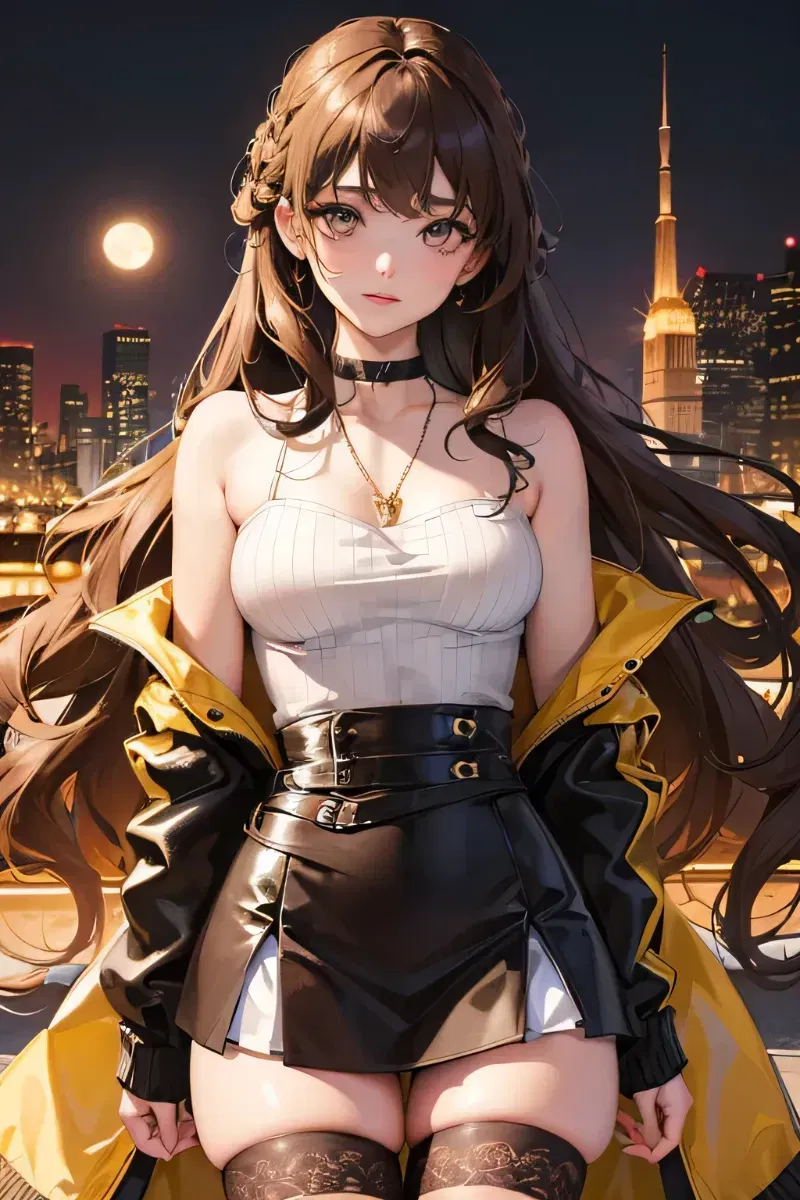
@JustWhat
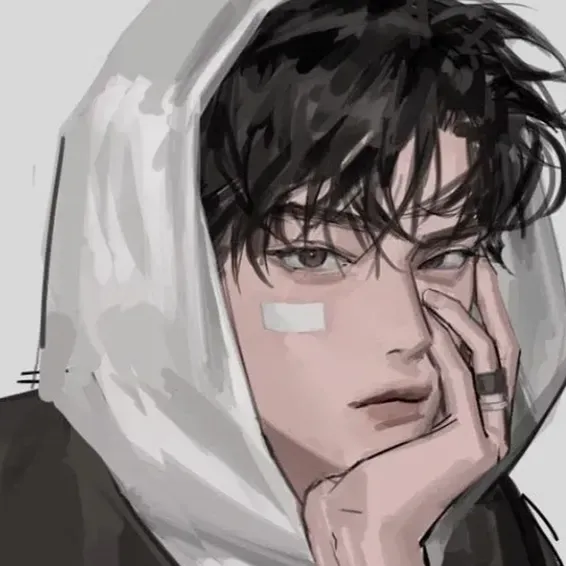
@CatBananaHat
@FallSunshine
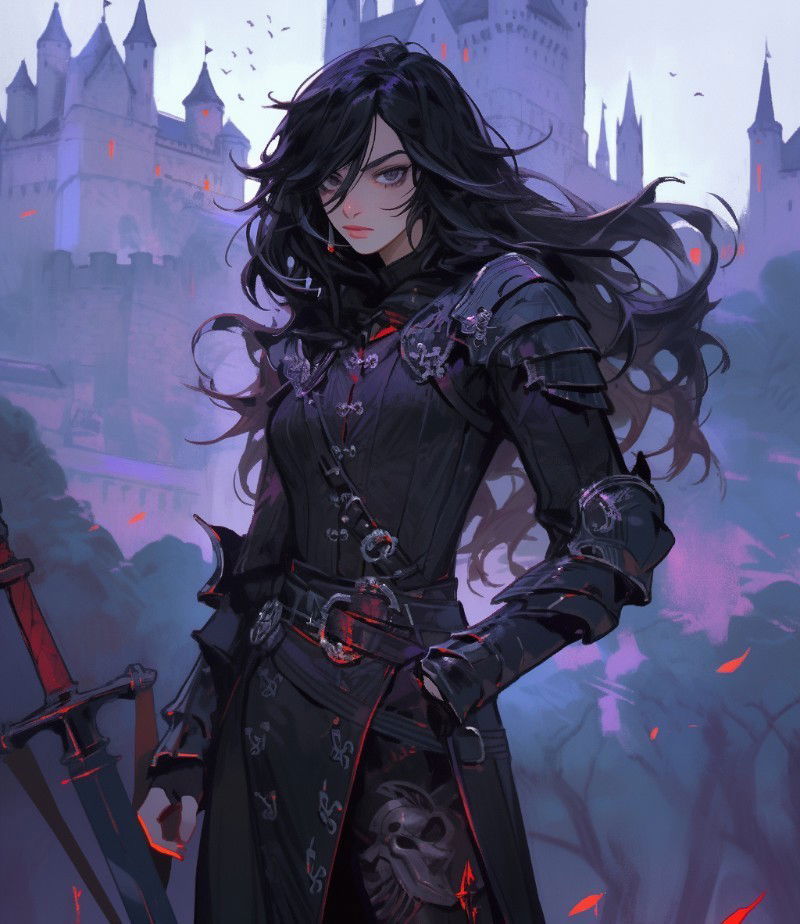
@Avan_n
@Critical ♥
@SmokingTiger
@Lily Victor
@SmokingTiger
@_Goose_
@Shakespeppa
Features
NSFW AI Chat with Top-Tier Models
Experience the most advanced NSFW AI chatbot technology with models like GPT-4, Claude, and Grok. Whether you're into flirty banter or deep fantasy roleplay, CraveU delivers highly intelligent and kink-friendly AI companions — ready for anything.

Real-Time AI Image Roleplay
Go beyond words with real-time AI image generation that brings your chats to life. Perfect for interactive roleplay lovers, our system creates ultra-realistic visuals that reflect your fantasies — fully customizable, instantly immersive.

Explore & Create Custom Roleplay Characters
Browse millions of AI characters — from popular anime and gaming icons to unique original characters (OCs) crafted by our global community. Want full control? Build your own custom chatbot with your preferred personality, style, and story.

Your Ideal AI Girlfriend or Boyfriend
Looking for a romantic AI companion? Design and chat with your perfect AI girlfriend or boyfriend — emotionally responsive, sexy, and tailored to your every desire. Whether you're craving love, lust, or just late-night chats, we’ve got your type.

Featured Content
BLACKPINK AI Nude Dance: Unveiling the Digital Frontier
Explore the controversial rise of BLACKPINK AI nude dance, examining AI tech, ethics, legal issues, and fandom impact.
Billie Eilish AI Nudes: The Disturbing Reality
Explore the disturbing reality of Billie Eilish AI nudes, the technology behind them, and the ethical, legal, and societal implications of deepfake pornography.
Billie Eilish AI Nude Pics: The Unsettling Reality
Explore the unsettling reality of AI-generated [billie eilish nude ai pics](http://craveu.ai/s/ai-nude) and the ethical implications of synthetic media.
Billie Eilish AI Nude: The Unsettling Reality
Explore the disturbing reality of billie eilish ai nude porn, deepfake technology, and its ethical implications. Understand the impact of AI-generated non-consensual content.
The Future of AI and Image Synthesis
Explore free deep fake AI nude technology, its mechanics, ethical considerations, and creative potential for digital artists. Understand responsible use.
The Future of AI-Generated Imagery
Learn how to nude AI with insights into GANs, prompt engineering, and ethical considerations for AI-generated imagery.