AI Image Generators: Unleash Your Creativity

AI Image Generators: Unleash Your Creativity
The landscape of digital art and content creation has been revolutionized by the advent of AI image generators. These powerful tools leverage sophisticated algorithms, primarily deep learning models like Generative Adversarial Networks (GANs) and diffusion models, to transform textual descriptions into stunning visual realities. Whether you're a seasoned artist seeking new avenues for expression, a marketer needing eye-catching visuals, or simply a curious individual, an AI generator for images offers an unprecedented gateway to visual creation.
Understanding the Magic Behind AI Image Generation
At its core, an AI image generator works by learning the intricate patterns and relationships within vast datasets of images and their corresponding text descriptions. Think of it as an artist who has studied millions of paintings, photographs, and illustrations, internalizing the essence of what makes a "cat" look like a cat, or what constitutes a "futuristic cityscape." When you provide a prompt, the AI doesn't just randomly assemble pixels; it draws upon this learned knowledge to construct an image that aligns with your textual input.
The Role of Deep Learning Models
Two primary architectures dominate the field:
-
Generative Adversarial Networks (GANs): GANs consist of two neural networks, a generator and a discriminator, locked in a perpetual competition. The generator creates images, while the discriminator tries to distinguish between real images from the dataset and the fake ones produced by the generator. This adversarial process drives the generator to produce increasingly realistic and high-quality outputs. While historically significant, GANs can sometimes struggle with diversity and coherence in complex prompts.
-
Diffusion Models: These models have recently surged in popularity due to their remarkable ability to generate highly detailed and coherent images. Diffusion models work by gradually adding noise to an image until it becomes pure static, and then learning to reverse this process. By starting from random noise and progressively denoising it according to a text prompt, they can create incredibly nuanced visuals. Models like DALL-E 2, Midjourney, and Stable Diffusion are prime examples of diffusion-based AI image generators.
The Power of Prompts: Your Creative Command
The key to unlocking the potential of any AI generator for images lies in crafting effective prompts. A prompt is your instruction to the AI, a textual description of the image you wish to create. The more detailed and specific your prompt, the better the AI can understand and execute your vision.
Consider the difference between these prompts:
- Simple Prompt: "A cat"
- Detailed Prompt: "A photorealistic portrait of a fluffy ginger cat with emerald green eyes, sitting on a velvet cushion in a sunlit Victorian library, soft bokeh background, 8k resolution, cinematic lighting."
The detailed prompt provides context, style, subject attributes, and even technical specifications, guiding the AI towards a much more precise and compelling result. Experimentation is crucial here. Don't be afraid to try different phrasing, add artistic styles (e.g., "in the style of Van Gogh," "cyberpunk aesthetic"), specify camera angles, or mention desired moods.
Applications of AI Image Generators
The versatility of AI image generators extends across numerous domains, empowering individuals and businesses alike.
For Artists and Designers
- Concept Art and Ideation: Artists can rapidly generate a multitude of visual concepts for characters, environments, and objects, accelerating the brainstorming process. Instead of spending hours sketching, an artist can iterate through dozens of variations in minutes.
- Inspiration and Style Exploration: AI can help artists discover new aesthetic directions or blend existing styles in novel ways. Want to see what a medieval knight would look like rendered in a vaporwave style? An AI can show you.
- Asset Creation: From textures and backgrounds to character elements, AI can produce unique assets that can be integrated into larger digital art projects, games, or animations.
For Marketers and Businesses
- Social Media Content: Generate eye-catching visuals for social media posts, ads, and campaigns that stand out from the crowd. Need an image for a blog post about sustainable living? An AI can create a vibrant depiction of a thriving ecosystem.
- Website and Blog Visuals: Enhance your online presence with custom imagery that perfectly matches your brand's message and aesthetic. Avoid generic stock photos and opt for unique, AI-generated visuals.
- Product Mockups: Visualize products in different settings or with various features without the need for expensive photoshoots.
- Advertising Campaigns: Create compelling imagery for advertisements that resonate with target audiences, potentially leading to higher engagement and conversion rates.
For Content Creators and Writers
- Illustrations for Articles and Books: Bring written content to life with custom illustrations that capture the essence of the narrative. This is particularly useful for independent authors or bloggers who may not have access to traditional illustration resources.
- Visual Storytelling: Develop visual narratives for presentations, videos, or even interactive experiences.
For Education and Research
- Visualizing Complex Concepts: Aid understanding by generating visual representations of abstract ideas or scientific processes.
- Historical Recreations: Visualize historical events, figures, or settings based on textual descriptions.
Choosing the Right AI Generator for Images
The market is brimming with various AI image generation platforms, each with its strengths and weaknesses. When selecting an AI generator for images, consider the following factors:
- Output Quality and Realism: Does the generator produce images that meet your aesthetic standards? Some excel at photorealism, while others are better suited for artistic or abstract styles.
- Ease of Use: Is the interface intuitive? Are the prompting mechanisms straightforward? Some platforms offer simple text-to-image interfaces, while others provide more advanced controls for fine-tuning.
- Customization and Control: Does the AI allow for advanced parameters like aspect ratio, negative prompts (what you don't want in the image), style weighting, or image-to-image generation?
- Speed and Efficiency: How long does it take to generate an image? This can be crucial for rapid iteration or meeting deadlines.
- Cost and Licensing: Many platforms operate on a credit system or subscription model. Understand the pricing structure and the usage rights for the generated images. Can you use them commercially?
- Community and Support: Is there an active community where you can share prompts, learn tips, and get help?
Popular options include Midjourney, known for its artistic flair; Stable Diffusion, offering open-source flexibility and extensive customization; DALL-E 2 and 3, praised for their coherence and understanding of complex prompts; and Leonardo.Ai, which provides a suite of tools for game asset creation. Each platform has its unique nuances, and exploring several is often the best way to find your preferred tool.
The Art of Prompt Engineering
Prompt engineering is the skill of crafting effective text prompts to guide AI models. It's an evolving discipline that blends creativity with a logical understanding of how these models interpret language.
Key Principles of Prompt Engineering:
- Be Specific and Descriptive: Include details about the subject, action, setting, mood, style, and composition.
- Use Adjectives: Adjectives add richness and detail. Instead of "dog," try "majestic golden retriever."
- Specify Style: Mention artistic movements (Impressionism, Surrealism), artists (Van Gogh, H.R. Giger), or mediums (oil painting, watercolor, 3D render).
- Define Lighting and Atmosphere: Words like "cinematic lighting," "golden hour," "foggy," or "eerie" significantly impact the mood.
- Consider Camera Angles and Shot Types: "Close-up," "wide shot," "overhead view," "dutch angle" can alter the perspective.
- Use Keywords for Quality: Terms like "highly detailed," "4K," "8K," "photorealistic," "intricate" can push the AI towards higher fidelity.
- Experiment with Negative Prompts: Most advanced generators allow you to specify what you don't want. For example, if you're generating a landscape and don't want any people, you might add "no people" or "empty landscape" to the negative prompt.
- Iterate and Refine: Rarely is the first prompt perfect. Generate an image, analyze the result, and adjust your prompt accordingly. Did the AI misunderstand a term? Was it too abstract? Tweak and regenerate.
Consider this example of prompt refinement:
- Initial Prompt: "A futuristic city"
- Result: A generic, somewhat bland cityscape.
- Refined Prompt: "A sprawling cyberpunk metropolis at night, neon lights reflecting off rain-slicked streets, towering skyscrapers with holographic advertisements, flying vehicles, moody atmosphere, cinematic, highly detailed, 8k."
- Result: A much more vivid and specific image that aligns with the cyberpunk aesthetic.
Mastering prompt engineering transforms you from a user of an AI tool into a collaborator, guiding the AI's creative process with precision.
Ethical Considerations and the Future
As AI image generators become more powerful and accessible, important ethical discussions arise.
- Copyright and Ownership: Who owns the copyright to an AI-generated image? The user who wrote the prompt, the company that created the AI, or is it in the public domain? Legal frameworks are still catching up.
- Misinformation and Deepfakes: The ability to create realistic images raises concerns about the potential for generating fake news, misleading content, or malicious deepfakes. Responsible use and detection tools are crucial.
- Impact on Artists: Will AI replace human artists? While AI can automate certain tasks, many believe it will serve as a powerful tool to augment human creativity rather than replace it entirely. The focus may shift towards curation, concept development, and the unique human touch.
- Bias in Datasets: AI models are trained on data, and if that data contains biases (e.g., underrepresentation of certain demographics), the AI's output may reflect those biases. Developers are working to mitigate this through more diverse and representative training datasets.
The future of AI image generation is incredibly bright. We can expect even more sophisticated models capable of understanding nuanced instructions, generating coherent and complex scenes with greater ease, and integrating seamlessly into various creative workflows. The technology is rapidly evolving, pushing the boundaries of what's possible in visual creation.
Whether you're looking to visualize a fantastical creature, design a marketing campaign, or simply explore the outer limits of your imagination, an AI generator for images offers a powerful and accessible means to bring your ideas to life. Embrace the experimentation, hone your prompting skills, and prepare to be amazed by the visual worlds you can conjure. The digital canvas awaits your command.
META_DESCRIPTION: Explore AI image generators, their technology, applications, and prompt engineering tips. Create stunning visuals with AI.
Character
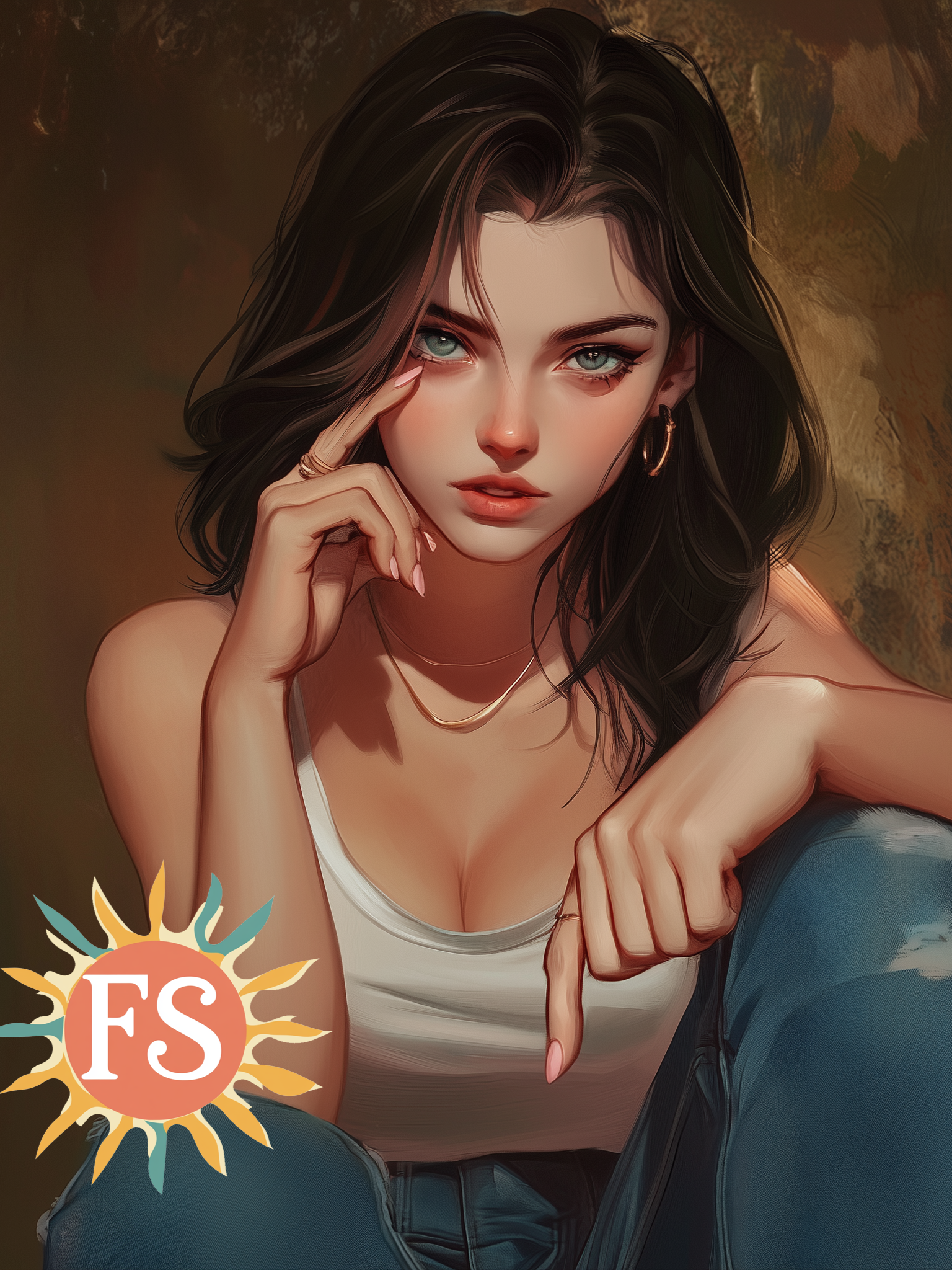
@FallSunshine
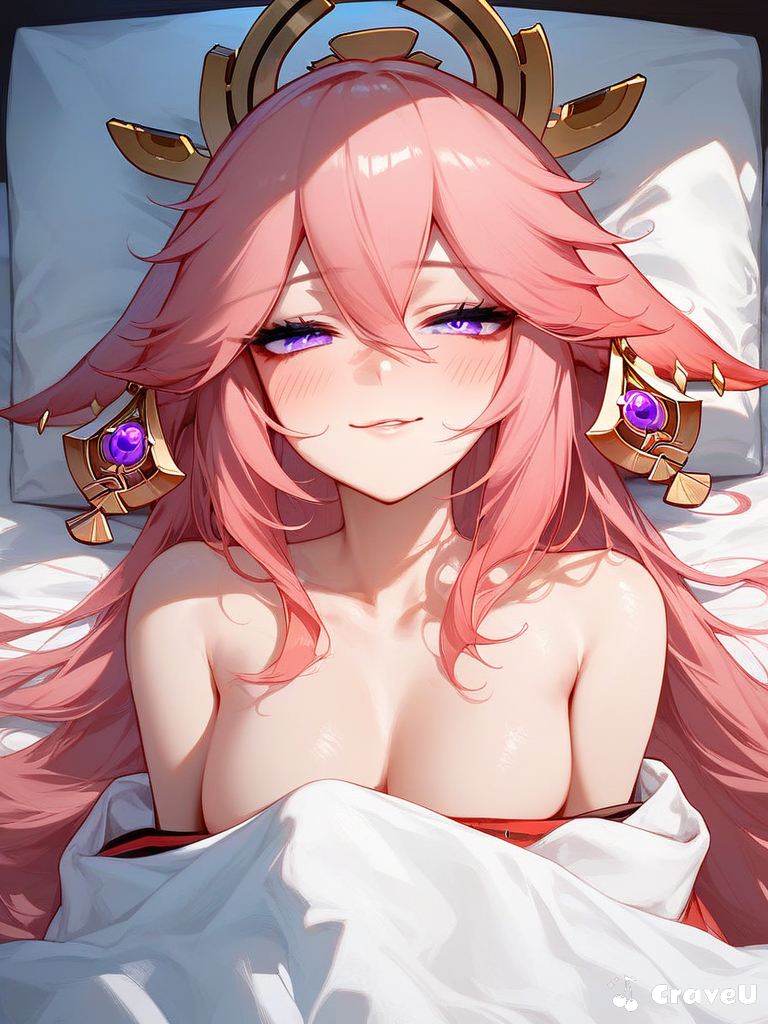
@NetAway

@CoffeeCruncher
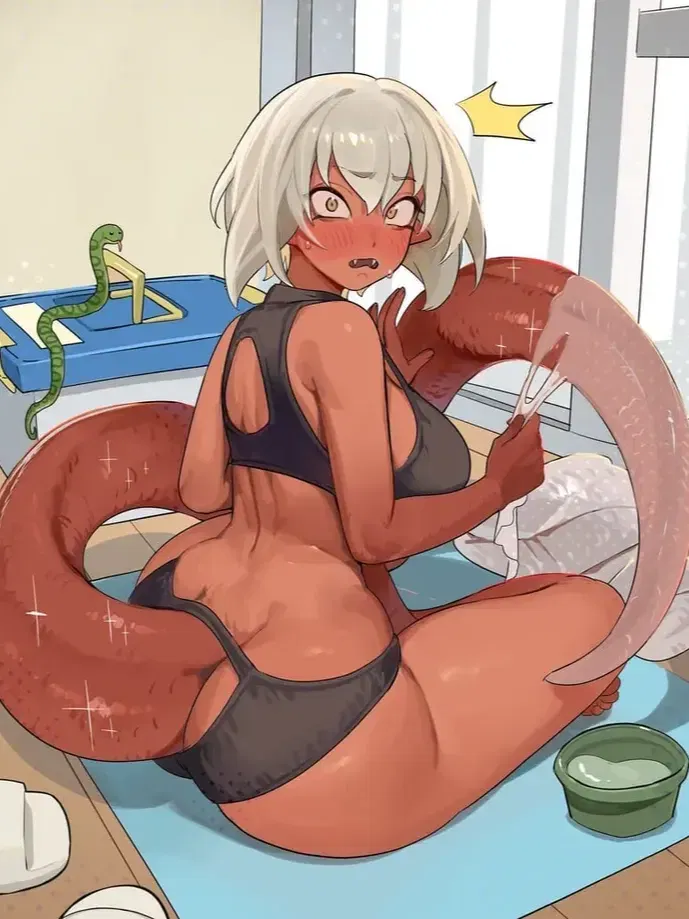
@Kurbillypuff
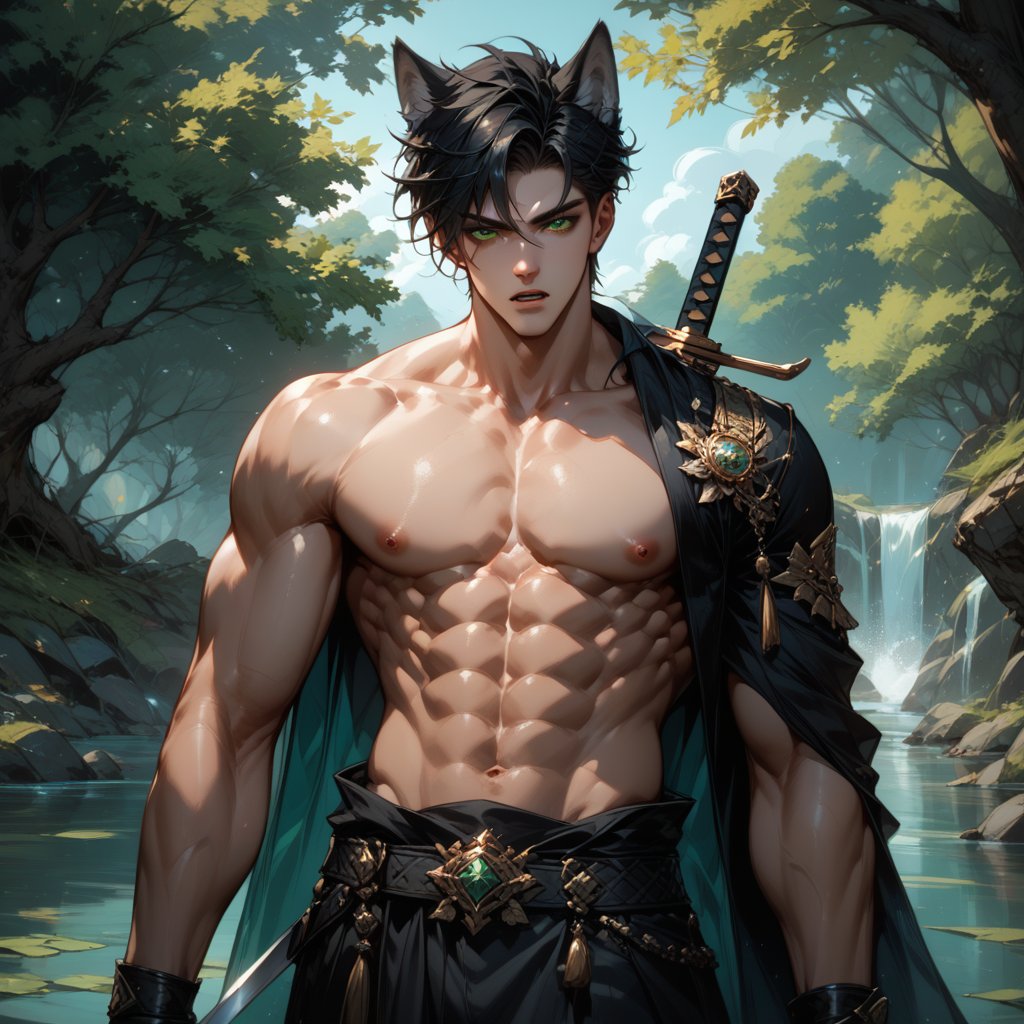
@Shakespeppa
@FallSunshine
@Critical ♥
@Notme
@Lily Victor
@Exhausted63
Features
NSFW AI Chat with Top-Tier Models
Experience the most advanced NSFW AI chatbot technology with models like GPT-4, Claude, and Grok. Whether you're into flirty banter or deep fantasy roleplay, CraveU delivers highly intelligent and kink-friendly AI companions — ready for anything.

Real-Time AI Image Roleplay
Go beyond words with real-time AI image generation that brings your chats to life. Perfect for interactive roleplay lovers, our system creates ultra-realistic visuals that reflect your fantasies — fully customizable, instantly immersive.

Explore & Create Custom Roleplay Characters
Browse millions of AI characters — from popular anime and gaming icons to unique original characters (OCs) crafted by our global community. Want full control? Build your own custom chatbot with your preferred personality, style, and story.

Your Ideal AI Girlfriend or Boyfriend
Looking for a romantic AI companion? Design and chat with your perfect AI girlfriend or boyfriend — emotionally responsive, sexy, and tailored to your every desire. Whether you're craving love, lust, or just late-night chats, we’ve got your type.

Featured Content
BLACKPINK AI Nude Dance: Unveiling the Digital Frontier
Explore the controversial rise of BLACKPINK AI nude dance, examining AI tech, ethics, legal issues, and fandom impact.
Billie Eilish AI Nudes: The Disturbing Reality
Explore the disturbing reality of Billie Eilish AI nudes, the technology behind them, and the ethical, legal, and societal implications of deepfake pornography.
Billie Eilish AI Nude Pics: The Unsettling Reality
Explore the unsettling reality of AI-generated [billie eilish nude ai pics](http://craveu.ai/s/ai-nude) and the ethical implications of synthetic media.
Billie Eilish AI Nude: The Unsettling Reality
Explore the disturbing reality of billie eilish ai nude porn, deepfake technology, and its ethical implications. Understand the impact of AI-generated non-consensual content.
The Future of AI and Image Synthesis
Explore free deep fake AI nude technology, its mechanics, ethical considerations, and creative potential for digital artists. Understand responsible use.
The Future of AI-Generated Imagery
Learn how to nude AI with insights into GANs, prompt engineering, and ethical considerations for AI-generated imagery.