AI Character Art: Unleash Your Imagination

AI Character Art: Unleash Your Imagination
The digital art landscape is undergoing a seismic shift, and at its epicenter lies the revolutionary power of AI generated character art. Gone are the days when creating compelling, unique characters required years of dedicated artistic training or prohibitively expensive software. Today, artificial intelligence empowers artists, writers, game developers, and hobbyists alike to bring their wildest character concepts to life with unprecedented speed and accessibility. This isn't just a new tool; it's a paradigm shift in creative expression.
The Dawn of AI-Powered Character Creation
For centuries, character design has been a meticulous process. From sketching initial concepts to refining anatomy, choosing color palettes, and rendering intricate details, each step demanded significant skill and time. Traditional methods often involved a singular artist or a collaborative team working over extended periods. While this process yields incredible results, it presents a barrier to entry for many aspiring creators.
Enter AI. Generative Adversarial Networks (GANs) and diffusion models have democratized the creation of visual art, and character art is no exception. These sophisticated algorithms can learn from vast datasets of existing artwork, understanding stylistic nuances, anatomical structures, and thematic elements. By providing simple text prompts or reference images, users can guide the AI to generate entirely new character designs that would have been unimaginable just a few years ago.
How Does AI Generate Character Art?
At its core, AI character art generation relies on complex machine learning models. These models are trained on millions of images, learning the relationships between visual elements and descriptive text. When you input a prompt, such as "a cyberpunk samurai with glowing blue eyes and a tattered red cloak," the AI interprets these keywords and synthesizes an image that matches your description.
The process can be broken down into a few key stages:
- Prompt Engineering: This is where the user's creativity truly shines. Crafting effective prompts is an art in itself. It involves not just describing the character's appearance but also their mood, style, and even the intended artistic medium. For instance, specifying "concept art," "photorealistic," or "anime style" dramatically influences the output.
- Model Interpretation: The AI model analyzes the prompt, breaking it down into its constituent parts and understanding the desired visual attributes.
- Image Synthesis: Using its learned knowledge, the AI begins to generate an image, often iteratively refining it to match the prompt's specifications. Diffusion models, for example, start with random noise and gradually "denoise" it, shaping it into a coherent image based on the prompt.
- Refinement and Iteration: Rarely is the first generated image perfect. Users can then refine the output by adjusting the prompt, using image-to-image generation (where a generated image or a reference image is used as a starting point), or employing inpainting and outpainting techniques to modify specific areas.
This iterative process allows for an incredible degree of customization and exploration, making AI generated character art a powerful tool for rapid prototyping and creative exploration.
Applications Across Industries
The impact of AI-generated character art extends far beyond hobbyist projects. It's revolutionizing workflows and opening new possibilities in various professional fields:
Game Development
In the gaming industry, character design is paramount. A compelling protagonist or a memorable antagonist can define a player's experience. Traditionally, this involved extensive concept art, 3D modeling, and texturing, a process that could take months or even years for a single character.
AI tools can now:
- Rapidly generate concept art: Developers can quickly explore dozens of character variations for a new game, identifying promising directions before committing significant resources.
- Create diverse NPC populations: Imagine populating a vast open-world RPG with unique, non-player characters without the need for individual manual design for each one. AI can generate a multitude of distinct faces, outfits, and body types, adding depth and realism to the game world.
- Assist in asset creation: While AI might not replace the need for skilled 3D modelers entirely, it can certainly augment their workflow by generating base meshes, textures, or even stylized character portraits for in-game use.
The ability to iterate quickly on character designs means that game developers can experiment more freely, leading to more innovative and engaging game experiences.
Animation and Film
The animation and film industries are also embracing AI-generated characters. For animated features, AI can:
- Accelerate pre-visualization: Storyboard artists and animators can use AI to quickly generate character models and scenes, helping to visualize the narrative and plan shots more effectively.
- Create background characters: Similar to gaming, AI can generate armies of unique background characters for crowd scenes, saving immense amounts of time and resources.
- Explore stylistic variations: Directors can use AI to experiment with different artistic styles for characters, finding the perfect aesthetic for their project.
While the nuanced emotional performance of a character still relies heavily on human animators, AI provides a powerful foundation for bringing visual concepts to life.
Literature and Storytelling
Authors and writers can leverage AI generated character art to visualize their characters, enhancing their storytelling process. Seeing a character brought to life visually can:
- Deepen character understanding: Visualizing a character's appearance, from their facial features to their posture and attire, can provide writers with new insights into their personality and backstory.
- Create compelling book covers and illustrations: Independent authors, in particular, can use AI to generate professional-looking cover art and interior illustrations, elevating the presentation of their work.
- Develop visual aids for world-building: Creating a visual library of characters and environments can help writers maintain consistency and immerse themselves more fully in their created worlds.
The synergy between text and image generation is a powerful new frontier for narrative creation.
Tabletop Role-Playing Games (TTRPGs) and Virtual TableTops (VTTs)
For Dungeon Masters and players in TTRPGs, visualizing characters and settings is crucial for immersion. AI tools are invaluable for:
- Creating player character portraits: Each player can have a unique, custom-generated portrait that perfectly matches their character concept.
- Generating NPC portraits: DMs can quickly create visual representations for every shopkeeper, guard, or villain encountered in a campaign.
- Designing maps and environments: While not strictly character art, the same AI principles can be applied to generate visual aids for the game world itself.
The accessibility of these tools means that even small, independent TTRPG creators can produce high-quality visual assets for their games.
Mastering the Art of Prompt Engineering
The quality of AI-generated character art is directly proportional to the quality of the prompt. Effective prompt engineering is the key to unlocking the full potential of these tools. Here are some tips for crafting better prompts:
- Be Specific and Descriptive: Instead of "a knight," try "a grizzled medieval knight in ornate plate armor, wielding a greatsword, standing on a windswept battlefield, dramatic lighting."
- Define the Style: Specify the artistic style you're aiming for. Examples include "digital painting," "concept art," "photorealistic," "anime style," "watercolor," "cyberpunk," "fantasy art," "steampunk."
- Consider the Mood and Atmosphere: Use adjectives that convey the desired feeling. "Melancholy," "epic," "mysterious," "joyful," "ominous."
- Specify Lighting and Composition: Terms like "cinematic lighting," "rim lighting," "close-up portrait," "full body shot," "dynamic pose" can significantly impact the result.
- Mention Artists or Art Movements (Use with Caution): Referencing specific artists (e.g., "in the style of Alphonse Mucha") or art movements (e.g., "Art Nouveau") can guide the AI, but be mindful of ethical considerations and potential biases in the training data.
- Use Negative Prompts: Most AI art generators allow you to specify what you don't want in the image (e.g., "ugly," "deformed hands," "blurry"). This is crucial for refining output.
- Iterate and Experiment: Don't be afraid to try different variations of your prompt. Small changes can lead to vastly different and often improved results.
Remember, AI generated character art is a collaborative process between you and the AI. Your prompts are the instructions, and the AI is your incredibly versatile, albeit sometimes unpredictable, artistic partner.
Addressing Common Challenges and Misconceptions
As with any transformative technology, AI art generation comes with its own set of challenges and common misconceptions:
Misconception 1: AI Art Lacks Soul or Creativity
A common criticism is that AI-generated art is soulless or merely a derivative pastiche of existing works. However, this overlooks the crucial role of human intent and curation. The AI doesn't create in a vacuum; it responds to human direction. The creativity lies in the prompt engineering, the selection of the best outputs, and the subsequent refinement or integration into a larger project. The AI is a tool, akin to a paintbrush or a chisel, but with an exponentially larger repertoire.
Challenge 1: Ethical Considerations and Copyright
The ethical implications of AI art, particularly concerning copyright and the use of training data, are complex and still evolving. Many models are trained on vast datasets scraped from the internet, raising questions about the rights of the original artists whose work contributed to the training data. Furthermore, the copyright status of AI-generated images themselves is a subject of ongoing legal debate. Creators using AI tools must stay informed about the terms of service of the platforms they use and be aware of the potential legal gray areas.
Misconception 2: AI Will Replace Human Artists Entirely
While AI can automate certain aspects of art creation, it's unlikely to replace human artists entirely. The nuanced understanding of emotion, cultural context, and personal experience that human artists bring to their work is currently beyond the scope of AI. Instead, AI is more likely to become a powerful assistant, augmenting human creativity and allowing artists to focus on higher-level conceptualization and execution. Think of it as a co-pilot, not an autopilot.
Challenge 2: Achieving Consistency and Specificity
While AI is incredibly powerful, achieving perfect consistency across multiple generated images of the same character can be challenging. Subtle variations in facial features, proportions, or details can occur. Similarly, getting the AI to adhere to extremely specific or niche requests can sometimes require extensive prompt tweaking and iteration. Techniques like using seeds, image-to-image generation with strong control, and consistent prompt structures are key to mitigating these issues.
The Future of Character Design is Here
AI generated character art represents a monumental leap forward in creative technology. It democratizes art creation, accelerates production pipelines, and unlocks new avenues for visual storytelling. Whether you're a seasoned professional looking to streamline your workflow or an aspiring creator eager to bring your imagination to life, AI art generators offer an unparalleled opportunity.
The ability to conjure characters from mere words, to iterate endlessly on designs, and to explore visual styles with unprecedented ease is transforming industries and empowering individuals. As the technology continues to advance, we can expect even more sophisticated tools and capabilities, further blurring the lines between human and artificial creativity.
The question is no longer if AI will change character design, but how we will harness its power to create the next generation of unforgettable characters. Are you ready to start generating?
META_DESCRIPTION: Explore the power of AI generated character art. Learn how AI is revolutionizing game development, animation, and storytelling with creative tools.
Character
@JustWhat
@AnonVibe
@Critical ♥
@Babe
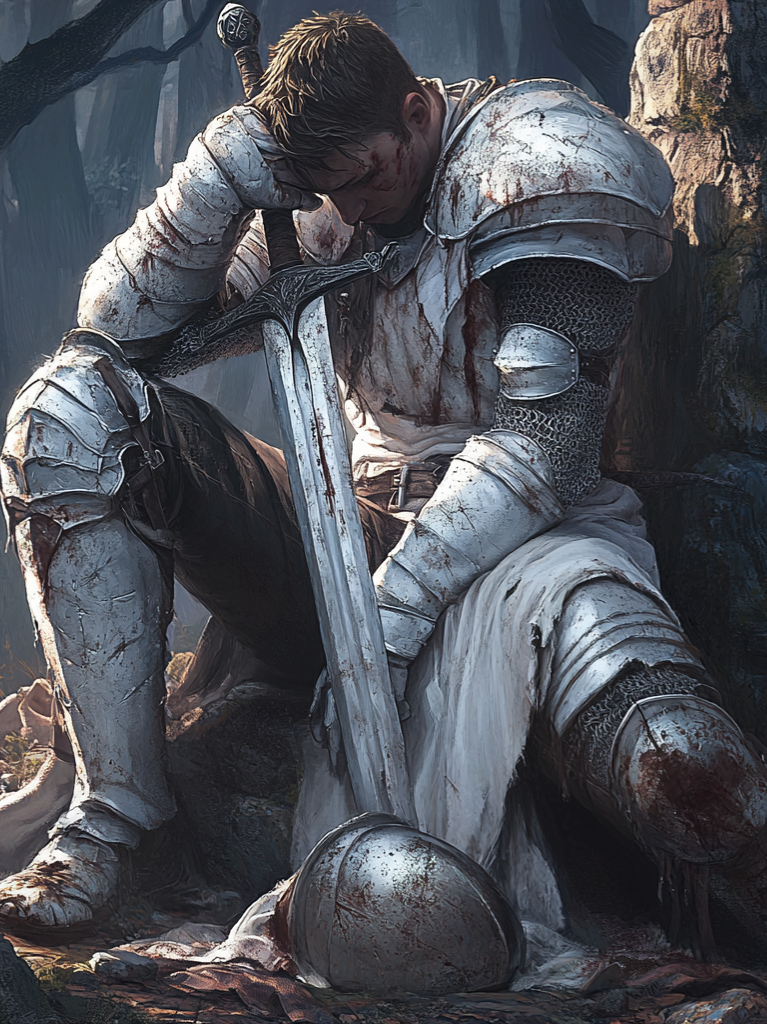
@CloakedKitty
@Zapper
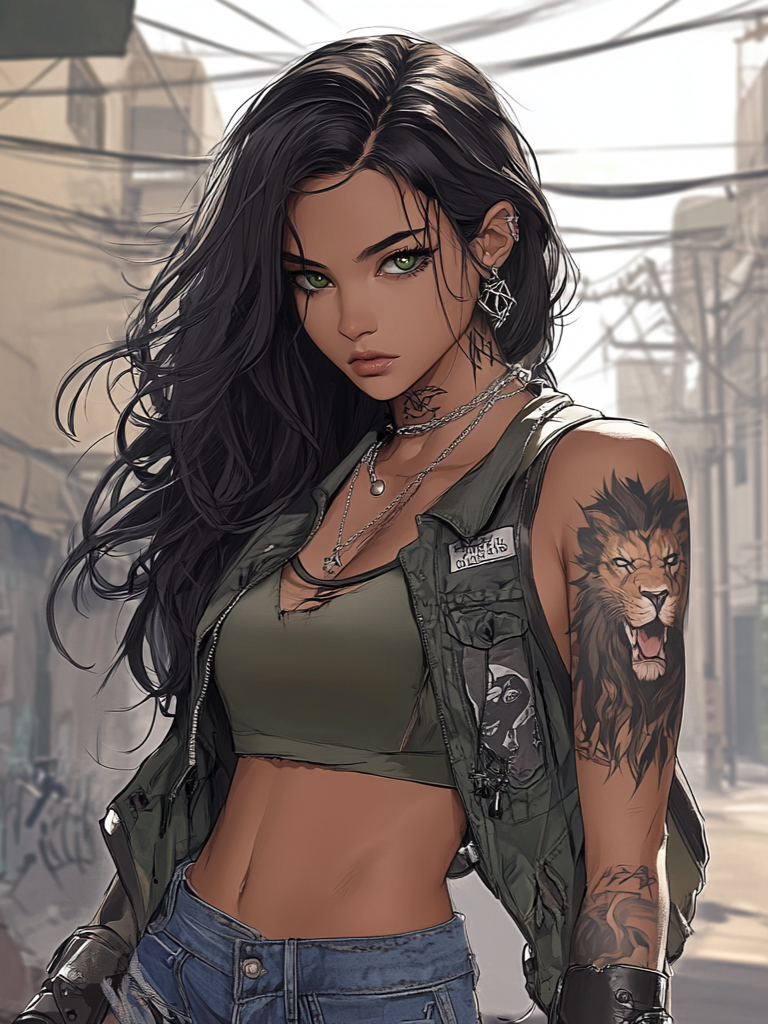
@CloakedKitty
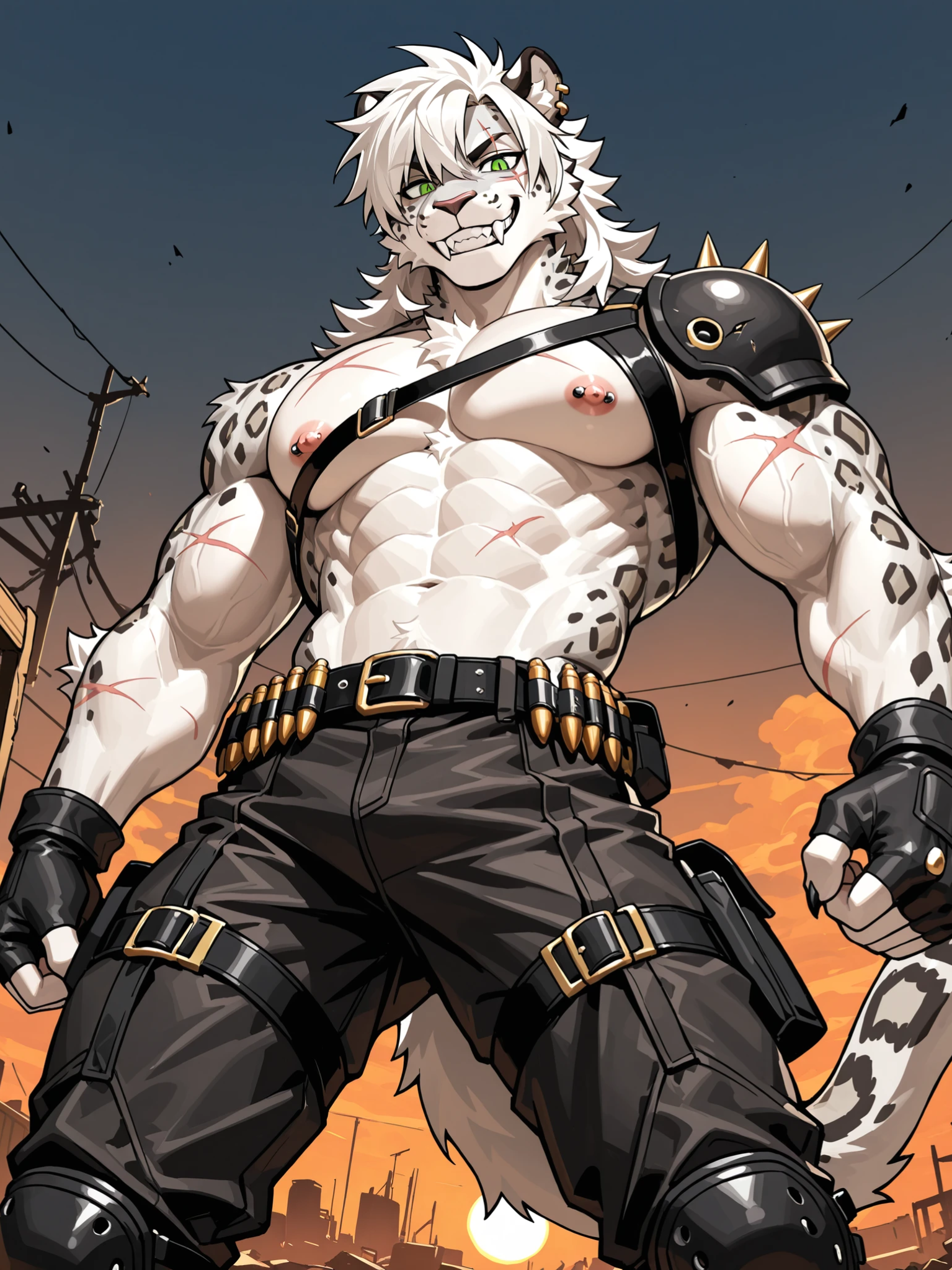
@BigUserLoser
@nanamisenpai
@Nyx
Features
NSFW AI Chat with Top-Tier Models
Experience the most advanced NSFW AI chatbot technology with models like GPT-4, Claude, and Grok. Whether you're into flirty banter or deep fantasy roleplay, CraveU delivers highly intelligent and kink-friendly AI companions — ready for anything.

Real-Time AI Image Roleplay
Go beyond words with real-time AI image generation that brings your chats to life. Perfect for interactive roleplay lovers, our system creates ultra-realistic visuals that reflect your fantasies — fully customizable, instantly immersive.

Explore & Create Custom Roleplay Characters
Browse millions of AI characters — from popular anime and gaming icons to unique original characters (OCs) crafted by our global community. Want full control? Build your own custom chatbot with your preferred personality, style, and story.

Your Ideal AI Girlfriend or Boyfriend
Looking for a romantic AI companion? Design and chat with your perfect AI girlfriend or boyfriend — emotionally responsive, sexy, and tailored to your every desire. Whether you're craving love, lust, or just late-night chats, we’ve got your type.

Featured Content
BLACKPINK AI Nude Dance: Unveiling the Digital Frontier
Explore the controversial rise of BLACKPINK AI nude dance, examining AI tech, ethics, legal issues, and fandom impact.
Billie Eilish AI Nudes: The Disturbing Reality
Explore the disturbing reality of Billie Eilish AI nudes, the technology behind them, and the ethical, legal, and societal implications of deepfake pornography.
Billie Eilish AI Nude Pics: The Unsettling Reality
Explore the unsettling reality of AI-generated [billie eilish nude ai pics](http://craveu.ai/s/ai-nude) and the ethical implications of synthetic media.
Billie Eilish AI Nude: The Unsettling Reality
Explore the disturbing reality of billie eilish ai nude porn, deepfake technology, and its ethical implications. Understand the impact of AI-generated non-consensual content.
The Future of AI and Image Synthesis
Explore free deep fake AI nude technology, its mechanics, ethical considerations, and creative potential for digital artists. Understand responsible use.
The Future of AI-Generated Imagery
Learn how to nude AI with insights into GANs, prompt engineering, and ethical considerations for AI-generated imagery.