AI Anime Image to Image Magic

AI Anime Image to Image Magic
The world of anime is vibrant, dynamic, and endlessly creative. For years, artists have poured their souls into crafting unique characters and breathtaking worlds. Now, imagine infusing that same creative spirit with the power of artificial intelligence. The concept of AI anime image to image generation is revolutionizing how we interact with and create anime art. It’s not just about generating new images; it’s about transforming existing ones, breathing new life into beloved characters, or even visualizing entirely new concepts from a single starting point.
This technology allows users to take an existing image – perhaps a sketch, a photograph, or even another AI-generated piece – and use it as a foundation to create a new anime-style image. The AI analyzes the input image’s composition, colors, and subject matter, and then reinterprets it through the lens of anime aesthetics. This opens up a universe of possibilities for artists, fans, and developers alike.
The Core Mechanics of AI Anime Image to Image
At its heart, AI anime image to image generation relies on sophisticated deep learning models, primarily diffusion models and Generative Adversarial Networks (GANs). These models are trained on massive datasets of anime artwork, learning the intricate details that define the style: the exaggerated eyes, the distinctive hair textures, the expressive linework, and the vibrant color palettes.
When you provide an input image, the AI doesn't just slap an anime filter on it. It performs a complex analysis:
- Feature Extraction: The model identifies key features in the input image, such as shapes, outlines, and color regions.
- Style Transfer: It then applies the learned anime style, translating these features into anime-specific representations. This might involve sharpening outlines, adjusting facial proportions, or recoloring elements to match anime conventions.
- Content Preservation: Crucially, the AI aims to preserve the core content and composition of the original image. If you input a picture of a cat, the output should still be recognizable as a cat, albeit rendered in an anime style.
- Iterative Refinement: Diffusion models, in particular, work by starting with random noise and gradually refining it, guided by the input image and the learned anime style, until a coherent image emerges.
This process allows for a remarkable degree of control and creativity. You can influence the output by adjusting parameters, providing text prompts alongside the image, or even using multiple input images to guide the generation.
Applications Across Industries
The implications of AI anime image to image technology extend far beyond casual fan art. Consider these diverse applications:
1. Character Design and Development
Game developers and animators constantly need fresh character concepts. With this technology, a concept artist could sketch a rough character design, feed it into the AI, and generate multiple anime-style variations. This drastically speeds up the ideation process, allowing designers to explore different looks, outfits, and expressions rapidly. Imagine taking a photorealistic portrait and transforming it into a potential anime protagonist with just a few clicks. This isn't just about style; it's about exploring character archetypes and visual identities at an unprecedented pace.
2. Fan Art and Community Engagement
For anime enthusiasts, this technology is a dream come true. Fans can now reimagine their favorite characters in new scenarios or styles. Upload a picture of yourself and see yourself rendered as an anime character, or transform a scene from a live-action movie into an anime-esque moment. This fosters a deeper connection with the media and empowers fans to become creators themselves, sharing their unique interpretations within online communities. Platforms dedicated to this technology often see vibrant communities sharing their creations and techniques.
3. Content Creation and Marketing
Businesses looking to tap into the massive anime market can leverage this technology for unique marketing materials. Imagine creating custom anime-style avatars for social media campaigns, generating eye-catching visuals for merchandise, or even producing short animated clips for promotional purposes. The ability to quickly generate high-quality, stylized imagery tailored to the anime aesthetic offers a significant competitive advantage.
4. Education and Skill Development
Aspiring anime artists can use this technology as a learning tool. By analyzing how the AI transforms an input image, students can gain insights into the fundamental elements of anime art, such as line weight, shading techniques, and color theory. It can serve as a digital sketchbook, allowing for rapid experimentation and iteration, helping to build a strong foundation in artistic principles.
The Creative Process: From Input to Anime Output
Let's walk through a typical workflow for using an AI anime image to image tool:
- Select Your Input: This could be anything – a photograph of a pet, a landscape painting, a 3D model render, or even a simple doodle. The more distinct the input, the more interesting the transformation can be.
- Choose Your AI Model/Platform: Various platforms offer different AI models, each with its strengths and stylistic nuances. Some might excel at photorealistic anime, while others lean towards more traditional, hand-drawn aesthetics.
- Provide Guidance (Optional but Recommended): Many tools allow for text prompts. You can specify details like "make the eyes larger," "add a magical aura," or "render in the style of Studio Ghibli." This text guidance works in conjunction with the input image.
- Adjust Parameters: Fine-tuning settings like "denoising strength" (how much the AI changes the image) or "style weight" can significantly impact the final result. Experimentation is key here.
- Generate and Iterate: Run the generation process. Review the output. If it’s not quite right, tweak the prompts or parameters and generate again. Many tools allow for batch generation, producing multiple variations at once.
- Upscale and Refine: Once you have a result you like, you might want to upscale it for higher resolution or perform minor touch-ups in traditional image editing software.
The beauty of this process lies in its iterative nature. It's a collaborative dance between human intention and artificial intelligence, where each step refines the vision.
Overcoming Challenges and Misconceptions
While powerful, AI anime image to image technology isn't without its challenges and common misunderstandings:
- "It Replaces Human Artists": This is a persistent misconception. AI tools are best viewed as collaborators or assistants, not replacements. They excel at rapid iteration and exploring possibilities, but the nuanced artistic direction, emotional depth, and unique creative spark still come from the human user. The best results often come from artists who use AI as one tool in their arsenal.
- Generic Outputs: Without specific guidance, AI can sometimes produce generic or uninspired results. The quality of the output is heavily dependent on the quality of the input image and the clarity of the prompts and parameters used. Learning to "prompt engineer" effectively is crucial.
- Understanding the "Black Box": The inner workings of deep learning models can be complex. While users don't need to be AI researchers, having a basic understanding of how parameters like "seed" or "CFG scale" affect the output can lead to more predictable and desirable results.
- Ethical Considerations: As with all AI art generation, questions around copyright, ownership, and the use of training data arise. It's important to be aware of the terms of service of the platforms you use and the potential ethical implications of the generated content.
Addressing these points requires a nuanced approach. Instead of fearing replacement, artists can embrace these tools to augment their workflow and explore new creative avenues.
The Future of Anime Creation
The trajectory of AI anime image to image technology is undeniably upward. We can anticipate several advancements:
- Increased Control and Specificity: Future models will likely offer even finer control over specific elements – allowing users to dictate character poses, specific background details, or even emotional expressions with greater precision.
- Video Generation: The leap from static images to short animated sequences or even full video generation in an anime style is already underway. Imagine transforming a series of input images into a short anime clip.
- Real-time Interaction: Tools that allow for real-time, interactive image manipulation, where users can sketch or modify elements and see the AI respond instantly, will become more common.
- Personalized Style Transfer: AI could learn and replicate the unique style of individual artists, allowing for highly personalized transformations that retain a specific creator's signature look.
The integration of AI into the creative process is not just a trend; it's a fundamental shift. For the anime community, this means more accessible tools, faster workflows, and entirely new ways to express creativity. Whether you're a seasoned professional animator, a passionate fan artist, or simply curious about the intersection of technology and art, exploring AI anime image to image generation offers a fascinating glimpse into the future of digital art. It empowers individuals to bring their anime visions to life in ways previously unimaginable, blurring the lines between imagination and digital reality. The potential for innovation is vast, and the canvas is only just beginning to be explored.
META_DESCRIPTION: Transform images into stunning anime art with AI anime image to image technology. Explore creative possibilities for artists and fans.
Character
@CloakedKitty
@the chill guy
@FallSunshine
@Sebastian
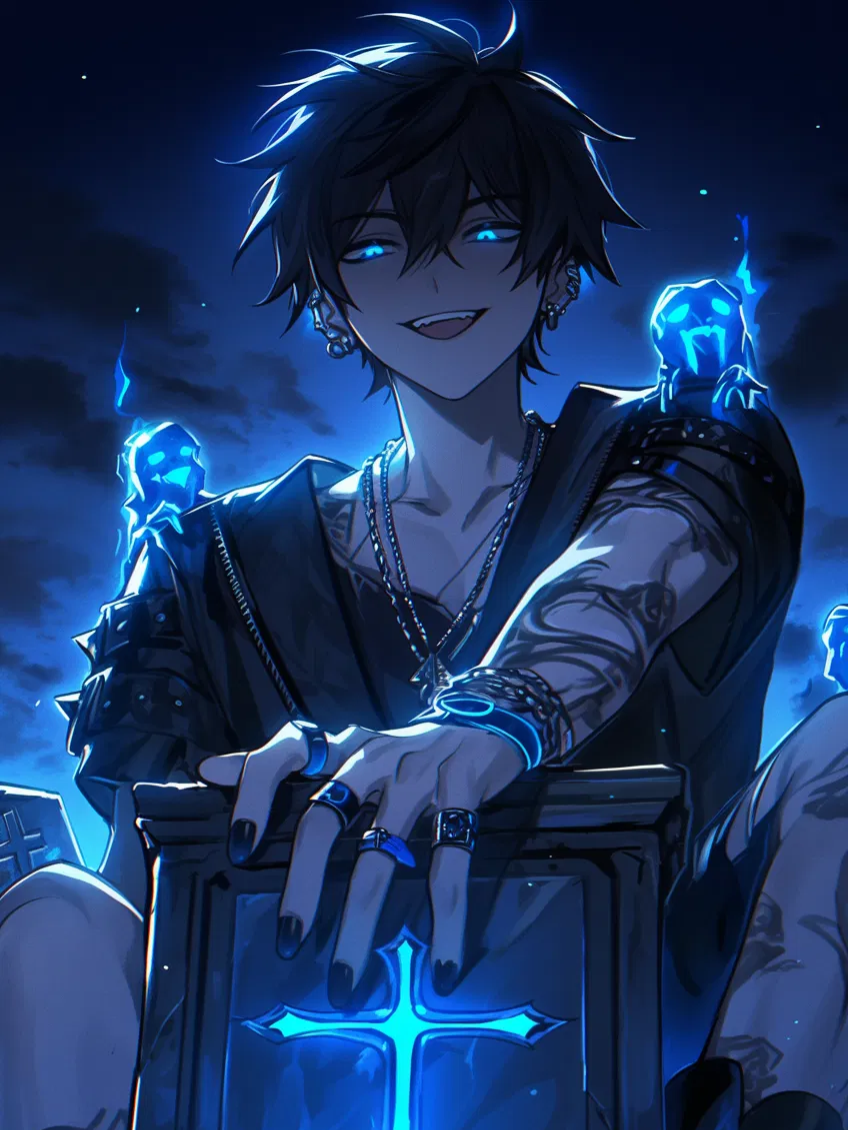
@Halo_Chieftain
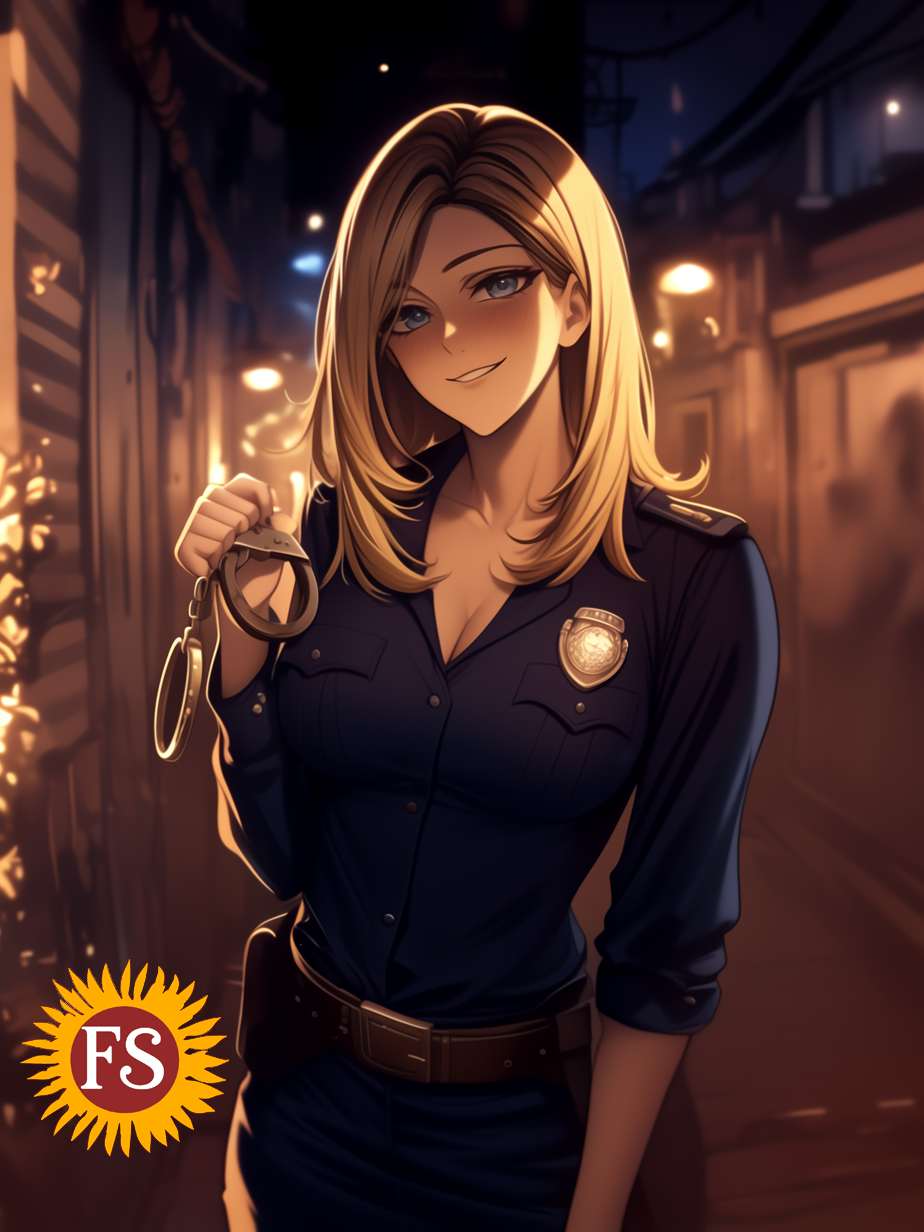
@FallSunshine
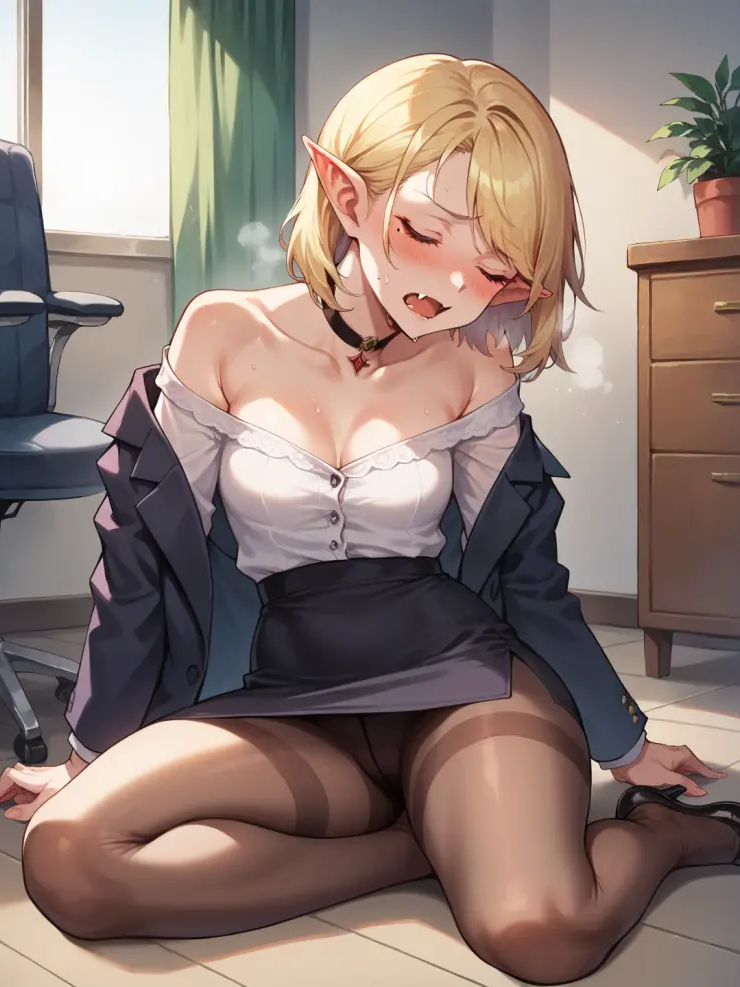
@Sebastian
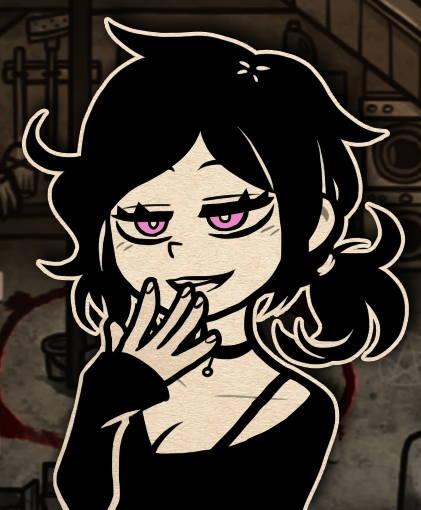
@AI_Visionary
@Notme
@x2J4PfLU
Features
NSFW AI Chat with Top-Tier Models
Experience the most advanced NSFW AI chatbot technology with models like GPT-4, Claude, and Grok. Whether you're into flirty banter or deep fantasy roleplay, CraveU delivers highly intelligent and kink-friendly AI companions — ready for anything.

Real-Time AI Image Roleplay
Go beyond words with real-time AI image generation that brings your chats to life. Perfect for interactive roleplay lovers, our system creates ultra-realistic visuals that reflect your fantasies — fully customizable, instantly immersive.

Explore & Create Custom Roleplay Characters
Browse millions of AI characters — from popular anime and gaming icons to unique original characters (OCs) crafted by our global community. Want full control? Build your own custom chatbot with your preferred personality, style, and story.

Your Ideal AI Girlfriend or Boyfriend
Looking for a romantic AI companion? Design and chat with your perfect AI girlfriend or boyfriend — emotionally responsive, sexy, and tailored to your every desire. Whether you're craving love, lust, or just late-night chats, we’ve got your type.

Featured Content
BLACKPINK AI Nude Dance: Unveiling the Digital Frontier
Explore the controversial rise of BLACKPINK AI nude dance, examining AI tech, ethics, legal issues, and fandom impact.
Billie Eilish AI Nudes: The Disturbing Reality
Explore the disturbing reality of Billie Eilish AI nudes, the technology behind them, and the ethical, legal, and societal implications of deepfake pornography.
Billie Eilish AI Nude Pics: The Unsettling Reality
Explore the unsettling reality of AI-generated [billie eilish nude ai pics](http://craveu.ai/s/ai-nude) and the ethical implications of synthetic media.
Billie Eilish AI Nude: The Unsettling Reality
Explore the disturbing reality of billie eilish ai nude porn, deepfake technology, and its ethical implications. Understand the impact of AI-generated non-consensual content.
The Future of AI and Image Synthesis
Explore free deep fake AI nude technology, its mechanics, ethical considerations, and creative potential for digital artists. Understand responsible use.
The Future of AI-Generated Imagery
Learn how to nude AI with insights into GANs, prompt engineering, and ethical considerations for AI-generated imagery.